In today’s threat landscape, businesses can no longer afford to treat IT support and cybersecurity as separate functions. Downtime, ransomware, data breaches, and compliance failures can cripple operations within hours. The most effective organizations rely on integrated IT services that combine responsive technical support with proactive security controls. This dual approach ensures systems remain functional, data stays protected, and risks are identified before they become disasters.
TLDR: Modern businesses need IT services that combine everyday technical support with strong cybersecurity protection. The best providers integrate monitoring, threat detection, user support, and compliance into a unified strategy. This article outlines 12 top IT services that deliver both operational reliability and security resilience. Choosing the right combination helps reduce downtime, prevent breaches, and protect business continuity.
An effective IT and security strategy goes beyond installing antivirus software or answering helpdesk calls. It requires continuous monitoring, layered defenses, structured processes, and skilled professionals who understand both infrastructure and risk. Below are the 12 best IT services that successfully merge support with cybersecurity.
1. Managed IT Services with Integrated Security Monitoring
Managed Service Providers (MSPs) offer comprehensive oversight of a company’s technology environment. When cybersecurity is built into managed IT services, organizations gain:
- 24/7 system monitoring
- Patch management and updates
- Endpoint protection
- Threat detection and response
This combination ensures that support teams are not only fixing issues but also preventing attacks. Proactive threat scanning and rapid incident response reduce the risk of extended downtime.
2. Security Operations Center (SOC) as a Service
A SOC monitors, analyzes, and responds to cybersecurity events in real time. When integrated with IT support functions, the SOC becomes a powerful defensive layer. Instead of separate teams handling incidents and system issues, communication becomes seamless.
Benefits include:
- Continuous threat analysis
- Advanced intrusion detection systems
- Coordinated response with helpdesk teams

This unified model ensures that identified threats are addressed immediately by technicians who understand the infrastructure.
3. Endpoint Detection and Response (EDR) with Helpdesk Integration
Endpoints remain one of the largest attack surfaces in any organization. EDR solutions monitor user devices for suspicious activity, while integrated support teams assist employees when alerts arise.
The combination supports:
- Rapid isolation of compromised devices
- Real-time user support during incidents
- Improved visibility across laptops and workstations
This alignment between security tools and technical assistance limits disruption and shortens containment times.
4. Cloud Security and Cloud Support Services
Organizations increasingly rely on cloud infrastructure, which introduces shared responsibility for security. Cloud IT services that combine operational support with protection ensure proper configuration, monitoring, and governance.
Key components include:
- Identity and access management
- Secure cloud configuration
- Backup management
- Compliance monitoring
A misconfigured cloud environment is one of the leading causes of breaches. A secure cloud support team ensures both uptime and compliance.
5. Network Management with Advanced Threat Protection
Effective network management extends beyond maintaining internet connectivity. Modern services integrate firewalls, intrusion prevention systems, and continuous traffic monitoring.
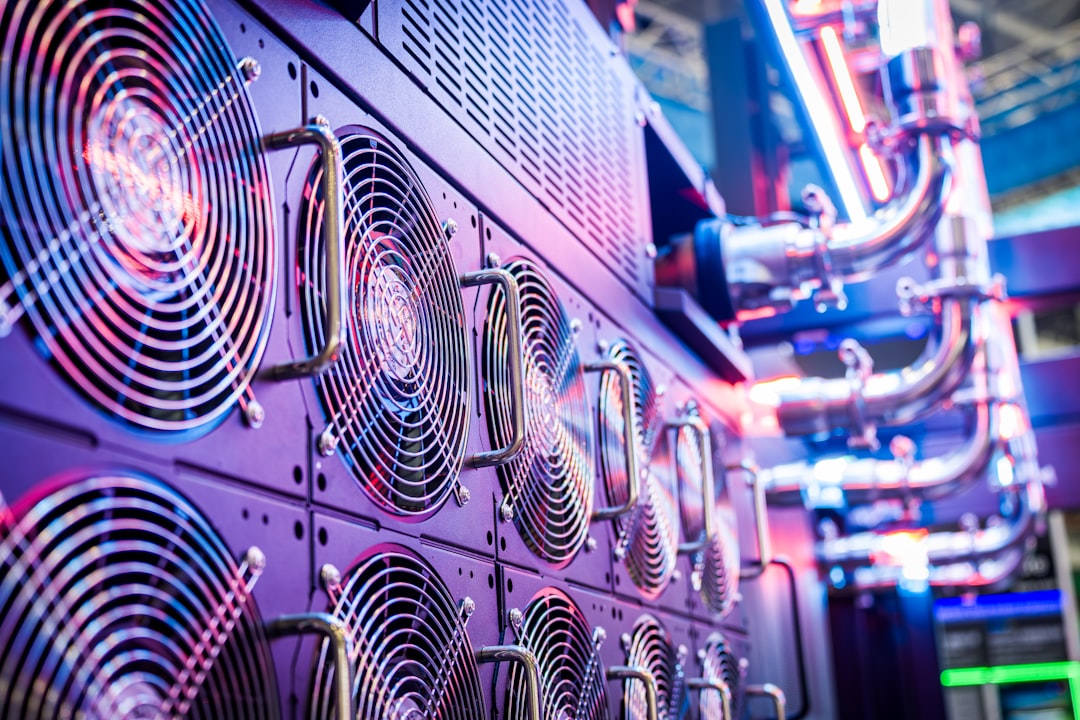
By merging network maintenance with cybersecurity oversight, businesses gain:
- Early detection of suspicious traffic
- Real-time firewall rule adjustments
- Reduced vulnerability exposure
This proactive management model prevents small vulnerabilities from turning into major breaches.
6. Backup and Disaster Recovery with Ransomware Protection
Backup services are critical—but reliable security requires more than copying files. Modern backup and disaster recovery (BDR) solutions integrate encryption, immutable storage, and ransomware detection.
Essential features include:
- Automated backups with integrity checks
- Encrypted offsite storage
- Incident response coordination
- Rapid system restoration
When helpdesk teams and cybersecurity analysts work together during recovery, restoration is faster and evidence collection remains intact.
7. IT Helpdesk with Security Awareness Enforcement
User behavior is often the weakest link in cybersecurity. IT helpdesk services that promote and enforce security policies significantly reduce risk.
This service may include:
- Password reset protocols aligned with security policies
- Multi-factor authentication support
- Verification procedures for sensitive requests
Support agents trained in cybersecurity can identify suspicious user reports, such as phishing emails, and escalate threats immediately.
8. Vulnerability Management and Patch Support
Unpatched systems are prime targets for cybercriminals. Vulnerability management services continuously scan infrastructure for weaknesses while support teams deploy necessary updates.
Core elements include:
- Scheduled vulnerability scans
- Risk prioritization reporting
- Coordinated patch deployment
This synchronized approach ensures that patches are applied without disrupting daily operations. It balances operational stability with security rigor.
9. Identity and Access Management (IAM) Services
Unauthorized access remains a major cause of data breaches. IAM services combine user provisioning, authentication controls, and technical support for access-related issues.
When integrated correctly, IAM includes:
- Role-based access control
- Multi-factor authentication enforcement
- Single sign-on implementation
- Access reviews and auditing
Support teams ensure new employees are onboarded securely, while cybersecurity specialists enforce least-privilege principles.
10. Compliance-Focused IT Services
Industries such as healthcare, finance, and legal services must comply with strict data protection regulations. IT services that integrate compliance frameworks with technical support provide measurable accountability.
Typical inclusions:
- Policy enforcement through technical controls
- Audit preparation assistance
- Continuous compliance monitoring
By embedding regulatory safeguards into daily IT operations, organizations reduce the likelihood of fines and reputational damage.
11. Managed Detection and Response (MDR)
MDR services extend beyond monitoring by actively investigating and neutralizing threats. When connected to internal IT teams or managed support services, incidents are addressed holistically.
Key advantages:
- Threat intelligence integration
- Rapid containment strategies
- Coordinated remediation efforts

MDR provides deep visibility into advanced attacks while IT support ensures systems are restored quickly and securely.
12. Virtual Chief Information Security Officer (vCISO) with IT Oversight
Smaller and mid-sized businesses often lack executive-level cybersecurity leadership. A vCISO service bridges this gap by delivering strategic guidance alongside technical management.
The vCISO typically:
- Develops risk management frameworks
- Aligns IT operations with security strategy
- Oversees policy enforcement
- Advises leadership on emerging threats
When the vCISO works closely with IT support teams, strategy translates into actionable protection measures.
Why Integration Matters
Separating IT support from cybersecurity creates communication gaps and delayed response times. An integrated model produces clear advantages:
- Faster incident resolution
- Reduced operational downtime
- Improved regulatory compliance
- Stronger risk visibility
In high-pressure situations, coordination determines outcomes. Organizations that unify their IT support and cybersecurity functions respond more efficiently and prevent costly escalations.
How to Select the Right Provider
When evaluating IT service providers, consider the following criteria:
- Do they provide 24/7 monitoring and response?
- Are cybersecurity services embedded or sold separately?
- Do they offer compliance expertise relevant to your industry?
- Is reporting transparent and measurable?
A trustworthy provider demonstrates clear processes, structured escalation pathways, documented security controls, and transparent communication. Contracts should define both service level agreements and security responsibilities.
Final Thoughts
The threat landscape continues to evolve at an aggressive pace. Cyberattacks are no longer rare events; they are persistent risks requiring structured, vigilant response. Businesses that combine reliable IT support with layered cybersecurity gain resilience, operational continuity, and regulatory confidence.
The 12 IT services outlined above represent the most effective frameworks for modern organizations. Whether through managed services, MDR, cloud protection, or vCISO leadership, integration remains the central principle. By aligning technical support with proactive defense, organizations protect not only their infrastructure—but their reputation, clients, and long-term viability.