Modern software systems are no longer single, neatly packaged applications running on one server. They’re sprawling ecosystems of microservices, serverless functions, databases, third-party APIs, and background jobs—all communicating across networks and regions. While this architecture unlocks flexibility and scalability, it also introduces a new challenge: when something slows down, where exactly is the problem? That’s where distributed tracing tools come in. They allow engineering teams to follow a request as it travels across services, helping pinpoint latency, failures, and bottlenecks with precision.
TLDR: Distributed tracing tools help you understand how requests move across microservices and identify performance bottlenecks quickly. Jaeger is a powerful open-source choice for flexible deployments, Zipkin offers lightweight tracing with easy integration, and Datadog APM provides a polished, full-stack observability experience for teams that want deep insights with minimal setup. Choosing the right tool depends on your infrastructure, budget, and need for customization versus convenience.
Why Distributed Tracing Matters More Than Ever
In a monolithic application, diagnosing a slow request might involve checking a single log file or profiling one service. In distributed systems, however, a single user action—like placing an order—can trigger dozens of service calls:
- API gateway authentication
- Product service database lookup
- Inventory service validation
- Payment processing via third-party API
- Email confirmation service
If the transaction takes 2.5 seconds instead of 400 milliseconds, which service is responsible? Without tracing, you’re left guessing. With distributed tracing, you see:
- The complete request flow
- Latency for each microservice
- Errors and retries
- Dependency relationships
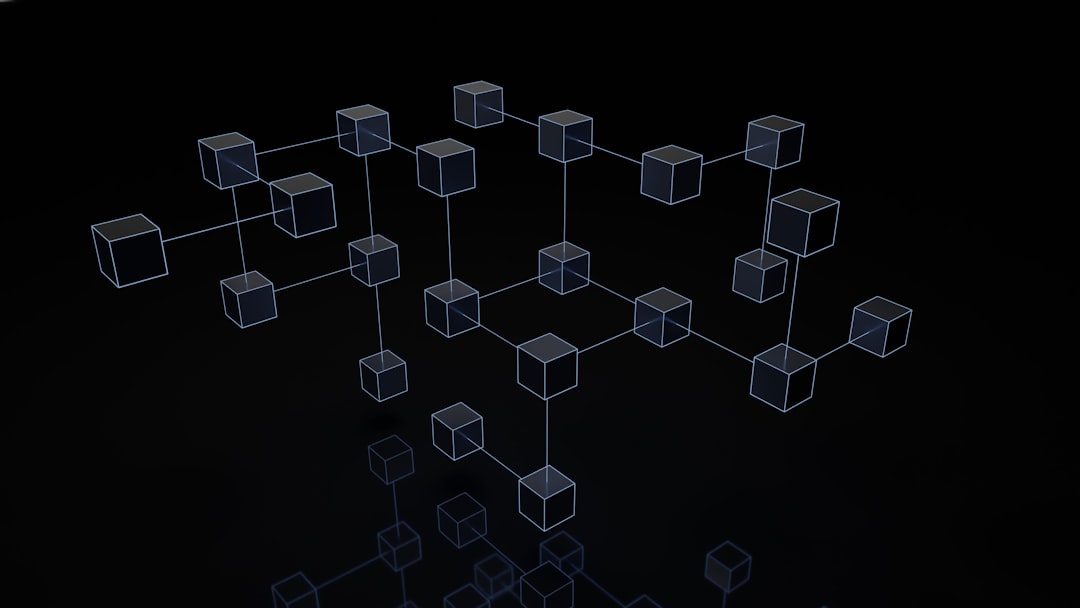
Each traced request is broken into spans, which represent individual operations. Together, these spans form a trace, mapping out exactly how a request moved through your system. Now, let’s look at three distributed tracing tools that excel at helping teams diagnose performance bottlenecks.
1. Jaeger: Powerful Open-Source Tracing at Scale
Best for: Teams that want flexible, open-source distributed tracing with strong community support.
Originally developed at Uber, Jaeger has become one of the most widely used open-source tracing systems. It’s now part of the Cloud Native Computing Foundation (CNCF), and it integrates seamlessly with modern cloud-native environments like Kubernetes.
Why Jaeger Stands Out
- OpenTelemetry integration for modern instrumentation
- Flexible storage backends (Elasticsearch, Cassandra, etc.)
- Advanced sampling strategies
- Service dependency visualization
Jaeger gives you complete visibility into trace data. You can search traces by:
- Service name
- Operation
- Duration
- Tags (like error flags)
One of its most useful features is the service dependency graph, which visually maps how services interact with one another. This helps you quickly identify which service consistently introduces latency in a high-traffic pathway.
When Jaeger Is the Right Choice
Jaeger shines in:
- Kubernetes-heavy environments
- Engineering teams comfortable managing infrastructure
- Organizations that prefer open-source solutions
However, Jaeger requires setup, maintenance, and storage tuning. If your team lacks operational bandwidth, you may prefer a managed solution.
2. Zipkin: Lightweight and Easy to Integrate
Best for: Teams that want a simple, reliable tracing solution without heavy operational overhead.
Zipkin is one of the pioneers of distributed tracing, originally created by Twitter. It offers a straightforward approach to collecting and visualizing trace data. While it may not have all the bells and whistles of newer platforms, it remains a dependable and efficient choice.
Core Strengths of Zipkin
- Simple setup and deployment
- Lightweight architecture
- Broad library support
- Minimal learning curve
Zipkin’s interface lets you:
- Search traces by service or annotation
- View timing breakdowns per span
- Compare slow versus fast traces
One especially useful feature is trace comparison. By comparing a healthy request to a slow request, you can quickly see where additional time was spent—often revealing misconfigured caching layers or overloaded services.
Zipkin works well in environments where:
- The architecture is moderately complex
- Full observability platforms are unnecessary
- Teams need fast answers without overengineering
Its simplicity is both its strength and its limitation. While efficient, it may lack deep analytics, correlation with metrics, or advanced alerting found in commercial platforms.
3. Datadog APM: Full-Stack Observability With Deep Insights
Best for: Teams seeking an all-in-one observability solution with minimal configuration.
Datadog APM combines distributed tracing with metrics, logs, profiling, and infrastructure monitoring in one unified platform. Instead of just seeing where time was spent, you can correlate performance bottlenecks with CPU spikes, memory issues, or deployment changes.
What Makes Datadog APM Powerful
- Automatic instrumentation for many frameworks
- Real-time service maps
- Trace-to-log correlation
- AI-driven anomaly detection
One standout feature is its Watchdog capability, which automatically surfaces abnormal latency patterns. Rather than digging through dashboards, engineers receive proactive insights into degraded endpoints.
Datadog also makes it easy to:
- Identify endpoints with the highest p95 latency
- Track performance degradation after deployments
- Visualize error rates alongside trace timelines
The trade-off? It’s a commercial platform, which means subscription costs. For organizations with growing observability needs, however, the time savings and consolidated tooling often justify the investment.
Comparison Chart: Jaeger vs Zipkin vs Datadog APM
| Feature | Jaeger | Zipkin | Datadog APM |
|---|---|---|---|
| Type | Open-source | Open-source | Commercial |
| Ease of Setup | Moderate | Easy | Very Easy |
| Infrastructure Management | Required | Required | Managed |
| Advanced Analytics | Moderate | Basic | Extensive |
| Best For | Cloud-native teams | Small to mid-level systems | Enterprise observability |
| Cost | Free (infra costs apply) | Free (infra costs apply) | Subscription-based |
How to Choose the Right Tool
Selecting a distributed tracing tool isn’t just about features—it’s about fit. Ask yourself:
- Do we want to manage our own tracing infrastructure?
- How complex is our architecture?
- Do we need integrated logs, metrics, and alerts?
- What’s our observability budget?
If your team values customization and open standards, Jaeger is an excellent choice. If you prefer simplicity and a lightweight footprint, Zipkin may be enough. If your goal is full-stack observability with minimal operational overhead, Datadog APM delivers a powerful, cohesive experience.
Final Thoughts
Performance bottlenecks in distributed systems are rarely obvious. A slow database query in one service can cascade into system-wide latency. An overloaded cache can ripple across APIs. Without distributed tracing, diagnosing these issues becomes guesswork.
Tools like Jaeger, Zipkin, and Datadog APM transform that guesswork into precise analysis. They illuminate the hidden pathways of requests, expose inefficient spans, and empower teams to fix problems faster. As software systems continue to grow more distributed and dynamic, tracing is no longer optional—it’s foundational.
Ultimately, the best distributed tracing tool is the one that fits seamlessly into your development workflow and helps you answer the most important question in performance engineering: Where is the slowdown, and why?