Logs are like the diary of your systems. Every click, error, login, and crash leaves a small note behind. When something breaks, those notes become gold. But when you have thousands of servers and apps, those notes turn into a mountain. That is where log aggregation platforms come in. They collect, sort, and help you understand all those logs in one place.
TLDR: Log aggregation platforms collect and organize logs from all your systems in one location. They help you find problems fast, monitor performance, and improve security. Popular tools include Splunk, ELK Stack, Datadog, Graylog, Sumo Logic, and Loggly. The best choice depends on your budget, team skills, and scale.
Let’s explore six of the most popular platforms. We will keep it simple. No heavy jargon. Just what you need to know.
1. Splunk
Splunk is one of the big names in log management. Many large companies use it. It is powerful. It is flexible. And yes, it can be expensive.
Splunk collects logs from servers, applications, network devices, and more. It then turns raw data into searchable information. You can create dashboards, alerts, and reports in just a few clicks.
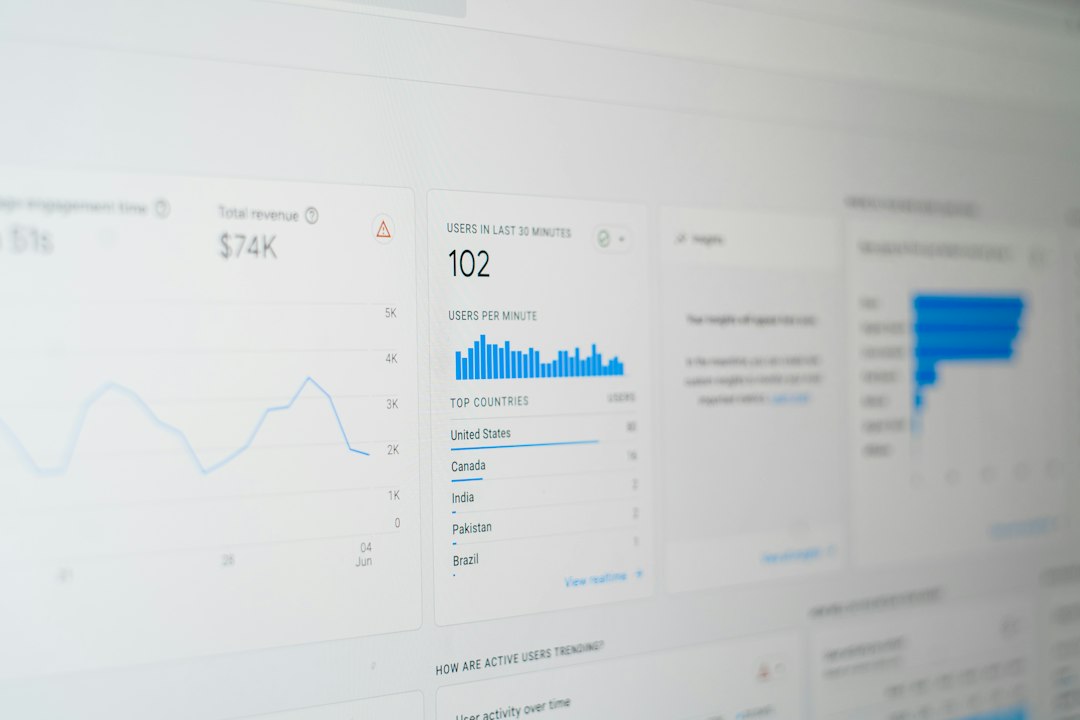
Why people like Splunk:
- Fast search across large volumes of data.
- Strong real time monitoring.
- Advanced analytics and machine learning features.
- Huge community and support ecosystem.
Things to consider:
- It can be costly at scale.
- May require training for beginners.
If you run a big enterprise system and need deep insights, Splunk is often a top choice.
2. ELK Stack (Elasticsearch, Logstash, Kibana)
The ELK Stack is a favorite in the developer world. It is open source. It is flexible. And it can be very powerful.
ELK stands for:
- Elasticsearch – stores and searches logs.
- Logstash – collects and processes logs.
- Kibana – visualizes the data.
Together, they form a complete log aggregation system.
Why people like ELK:
- Free and open source (basic version).
- Highly customizable.
- Great visualization tools.
- Large community support.
Things to consider:
- Setup can be complex.
- Scaling requires planning and tuning.
If you have a technical team that likes to tinker and customize, ELK is a strong option. It gives you control. Lots of it.
3. Datadog
Datadog is a cloud based monitoring platform. It goes beyond logs. It also tracks metrics, traces, and performance data.
This makes it great for modern cloud environments. Especially microservices and container based systems.
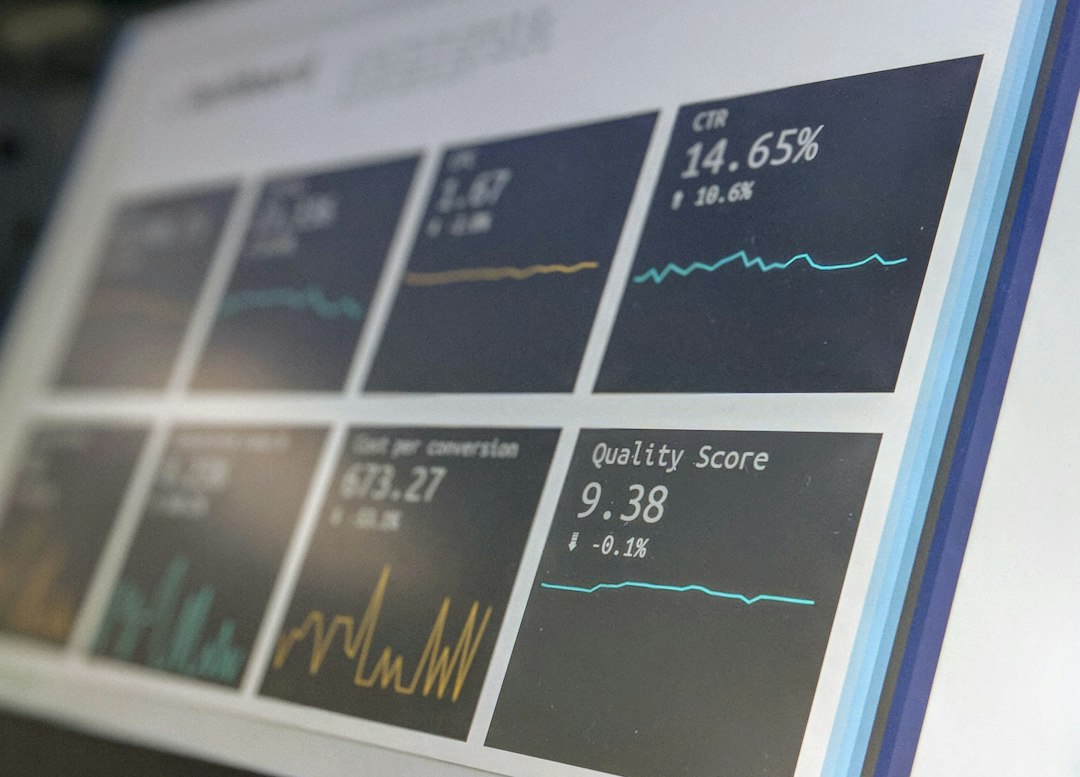
Why people like Datadog:
- Easy setup.
- Beautiful dashboards.
- Strong cloud and container support.
- Integration with hundreds of services.
Things to consider:
- Costs can grow with usage.
- Less control compared to self hosted tools.
Datadog feels modern and smooth. It is ideal for teams that want everything in one place. Metrics. Logs. Traces. All connected.
4. Graylog
Graylog is another popular log management platform. It offers both open source and enterprise versions. This makes it flexible for different budgets.
Graylog focuses heavily on usability. The interface is clean. Searching logs is simple.
Why people like Graylog:
- User friendly interface.
- Strong search and filtering.
- Open source option available.
- Good alerting system.
Things to consider:
- Advanced features may require enterprise version.
- Needs dedicated resources for large deployments.
Graylog sits nicely between simplicity and power. It is often chosen by mid sized teams that want control without too much complexity.
5. Sumo Logic
Sumo Logic is a fully cloud native log management service. You do not manage servers. You do not worry about scaling. It is all handled for you.
This makes it appealing to companies that want a hands off approach.
Why people like Sumo Logic:
- Fully managed service.
- Strong security and compliance features.
- Good real time analytics.
- Scales automatically.
Things to consider:
- Subscription pricing model.
- Less customization than self hosted tools.
If you are operating in regulated industries, Sumo Logic often stands out. It has strong security and auditing tools built in.
6. Loggly
Loggly is another cloud based log management platform. It is known for being simple and easy to adopt.
Small and medium businesses often find it a great starting point.

Why people like Loggly:
- Quick setup.
- Good search capabilities.
- Affordable plans for smaller teams.
- Integration with popular platforms.
Things to consider:
- Not as feature rich as enterprise tools.
- May not suit very large scale environments.
If you are just starting with log aggregation, Loggly can be a smooth entry point.
What Makes a Great Log Aggregation Platform?
Now you may be wondering. How do I choose?
Here are a few simple things to look for:
- Centralization: All logs in one place.
- Search speed: Fast queries across large data sets.
- Alerting: Instant notifications when something goes wrong.
- Scalability: Grows with your infrastructure.
- Security: Access control and encryption.
- Ease of use: Simple dashboards and filters.
Also think about your team’s skill level. Open source tools offer control. But they require maintenance. Cloud tools reduce workload. But they may cost more over time.
Why Log Aggregation Matters
Imagine a website crash at midnight. Customers are angry. Sales stop. Your inbox fills with complaints.
Without log aggregation, you would log into each server. Check each log file manually. Waste precious time.
With a centralized platform, you search once. You find the error. You fix it faster.
Log aggregation also helps with:
- Security monitoring – detect unusual activity.
- Performance tuning – find slow queries or memory leaks.
- Compliance – maintain audit trails.
- Capacity planning – understand growth trends.
In short, logs tell stories. Aggregation platforms help you read them quickly.
Final Thoughts
Monitoring systems without log aggregation is like flying blind. You might survive. But it is risky.
Splunk is powerful and enterprise ready. ELK is flexible and developer friendly. Datadog is modern and cloud focused. Graylog balances control and usability. Sumo Logic is fully managed and secure. Loggly is simple and budget friendly.
There is no single perfect tool. The best platform depends on your system size, budget, and team expertise.
Start small if you need to. Test a few options. Many offer free trials. Measure what matters most to you. Speed. Cost. Simplicity. Depth.
Because in the world of monitoring, logs are not noise. They are clues. And the right aggregation platform turns those clues into answers.