When your website starts attracting thousands—or even millions—of visitors, performance is no longer a luxury; it becomes a survival requirement. High-traffic WordPress sites face challenges such as server overload, slow page rendering, database bloat, and increased security risks. In this article, we’ll explore the most effective WordPress performance optimization plugins designed specifically to keep high-traffic websites fast, stable, and scalable.
TL;DR: High-traffic WordPress sites need advanced caching, database optimization, image compression, and CDN integration to maintain speed and uptime. Plugins like WP Rocket, W3 Total Cache, LiteSpeed Cache, WP-Optimize, and Asset CleanUp offer powerful performance features tailored for demanding environments. The right combination of caching, file optimization, and server-level enhancements can dramatically reduce load times and improve scalability. Choosing tools that align with your hosting setup and traffic level is key to long-term success.
Why Performance Optimization Is Critical for High-Traffic Sites
High visitor numbers amplify every inefficiency. A minor delay of half a second might seem insignificant, but at scale, it increases bounce rates, strains servers, and harms search engine rankings. Speed affects:
- User experience – Slow pages frustrate users and reduce engagement.
- SEO rankings – Google prioritizes fast-loading websites.
- Conversion rates – Even a one-second delay can lower sales.
- Server stability – Poor optimization can crash a site during traffic spikes.
Performance plugins reduce server workload, compress data, and optimize how content is delivered—ensuring your infrastructure can handle demand.
Key Features to Look For in Performance Plugins
Not all optimization plugins are built for heavy traffic. For high-demand environments, look for:
- Page caching (static HTML generation)
- Browser caching
- Object caching (Redis or Memcached integration)
- Database optimization
- Minification and combination of CSS and JavaScript
- Lazy loading for media
- CDN support
- GZIP or Brotli compression
These features reduce requests, compress assets, and streamline resource delivery.
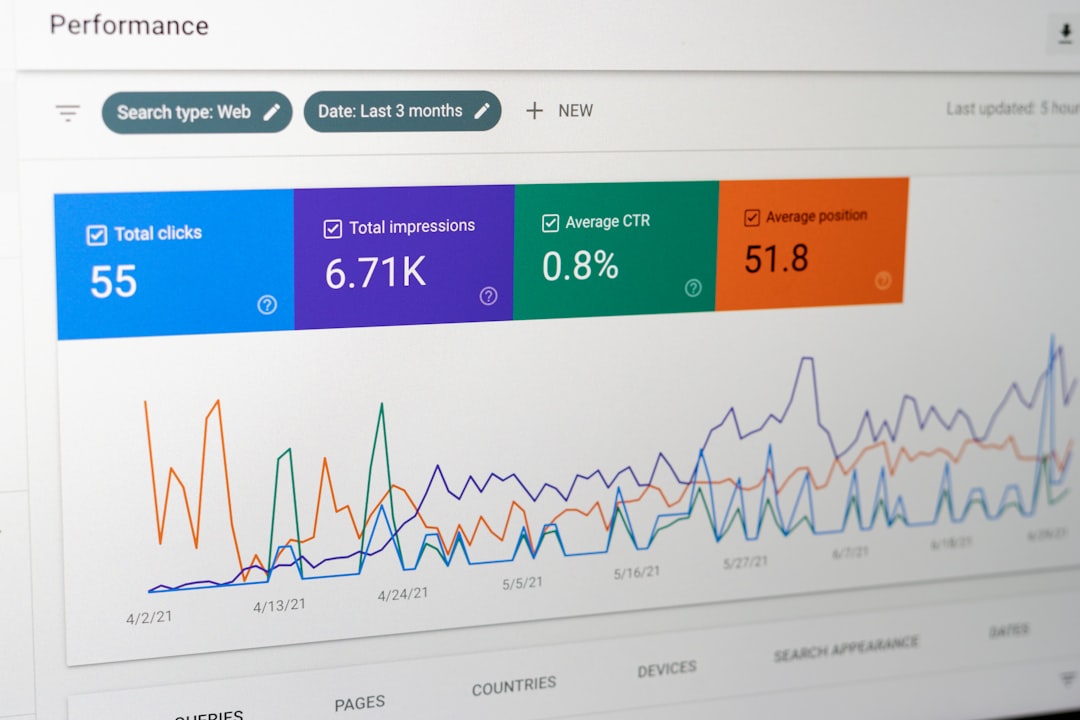
Top WordPress Performance Optimization Plugins
1. WP Rocket
WP Rocket is one of the most user-friendly yet powerful premium caching plugins available. It is especially popular among high-traffic blogs, SaaS landing pages, and WooCommerce stores.
Key features:
- Page caching with preloading
- GZIP compression
- Delay JavaScript execution
- Database cleanup
- CDN integration
- Lazy loading for images and iframes
Its intuitive interface allows advanced optimization without complicated configuration. For businesses handling heavy traffic but lacking dedicated DevOps teams, WP Rocket offers simplicity with strong performance gains.
2. W3 Total Cache
W3 Total Cache is a highly configurable performance plugin ideal for technically experienced users managing large-scale sites.
Key features:
- Page, object, and database caching
- CDN integration
- Fragment caching
- Browser caching
- Minification
This plugin supports advanced setups including reverse proxies and content delivery networks, making it a strong candidate for enterprise-level WordPress installations.
3. LiteSpeed Cache
LiteSpeed Cache is particularly powerful when used with LiteSpeed servers. It offers server-level caching, which significantly improves response times under heavy traffic.
Key features:
- Server-level page caching
- Image optimization
- QUIC.cloud CDN integration
- Database optimization
- HTTP/2 and HTTP/3 support
For websites hosted on LiteSpeed infrastructure, this plugin can outperform most traditional caching tools.
4. WP-Optimize
WP-Optimize focuses heavily on database cleanup and optimization—critical for large websites that accumulate years of post revisions, spam comments, and transient data.
Key features:
- Database cleanup
- Image compression
- Page caching
- Scheduled optimizations
While not as comprehensive in caching as WP Rocket or W3 Total Cache, it excels in maintaining database health for content-heavy sites.
5. Asset CleanUp
Asset CleanUp improves performance by unloading unnecessary CSS and JavaScript files on specific pages.
Key features:
- Selective script and style loading
- Minification
- Combination of assets
- Defer and async options
For example, if a contact form plugin loads its scripts site-wide, Asset CleanUp allows you to restrict them to the contact page only—significantly reducing page weight.
Comparison Chart of Top Performance Plugins
| Plugin | Best For | Caching Type | CDN Support | Ease of Use | Price |
|---|---|---|---|---|---|
| WP Rocket | High traffic business sites | Page caching | Yes | Very easy | Premium |
| W3 Total Cache | Enterprise setups | Page, object, database | Yes | Advanced | Free/Premium |
| LiteSpeed Cache | LiteSpeed servers | Server level caching | Yes | Moderate | Free |
| WP-Optimize | Database heavy sites | Page caching | Limited | Easy | Free/Premium |
| Asset CleanUp | Script heavy themes | Asset optimization | No | Moderate | Free/Premium |
Advanced Optimization Strategies for High-Traffic Sites
While plugins play a major role, high-traffic websites benefit from combining tools with infrastructure-level improvements.
1. Use Object Caching
Redis or Memcached integration reduces database queries by storing frequently accessed objects in memory. Many high-performance hosting providers support this feature.
2. Implement a CDN
A Content Delivery Network distributes your site’s assets globally, reducing latency and server strain during traffic spikes.
3. Enable HTTP/2 or HTTP/3
Modern protocols improve loading speeds, especially on asset-heavy websites.
4. Optimize Images Aggressively
Plugins like ShortPixel or the built-in tools in LiteSpeed Cache compress and serve WebP images, dramatically lowering bandwidth usage.
5. Monitor Performance Constantly
Use tools like GTmetrix, PageSpeed Insights, or New Relic to detect performance bottlenecks before they escalate.

Common Mistakes to Avoid
Even powerful plugins can cause issues if misconfigured. Avoid these common pitfalls:
- Using multiple caching plugins simultaneously
- Over-minifying scripts that break functionality
- Ignoring mobile optimization
- Neglecting hosting quality
- Failing to test after updates
High-traffic sites should always test changes in a staging environment before deploying them live.
Choosing the Right Plugin Stack
For most high-traffic sites, a practical configuration might include:
- WP Rocket or LiteSpeed Cache for caching
- Asset CleanUp for selective script loading
- WP-Optimize for database maintenance
- A CDN such as Cloudflare
Enterprise-level organizations may combine W3 Total Cache with Redis object caching and server-level optimizations.
Final Thoughts
Performance optimization for high-traffic WordPress sites isn’t about installing one plugin and hoping for the best. It requires a layered strategy involving caching, asset optimization, server configuration, and continuous monitoring.
The right plugin stack can transform a sluggish website into a high-speed digital experience capable of handling viral surges and sustained growth alike. Whether you operate a busy blog, a global eCommerce store, or a large membership platform, investing in proper optimization ensures your WordPress site remains fast, resilient, and ready for scale.
Ultimately, speed is more than a technical metric—it’s a competitive advantage.