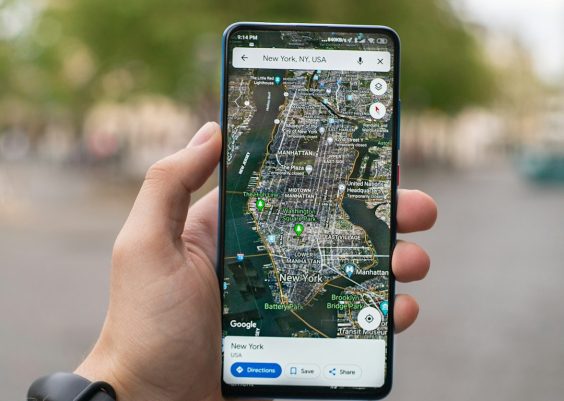
Urban transportation is undergoing a structural shift. As cities grapple with congestion, emissions, and limited space, shared micromobility solutions have become an essential part of modern infrastructure. Among these, bike-sharing platforms such as Donkey Republic have demonstrated how digital access, flexible rental models, and station-free systems can make urban travel more efficient and sustainable. Yet Donkey Republic is only one player in a rapidly evolving landscape of providers that are redefining how people commute, explore, and connect within cities.
TLDR: Bike-sharing apps are transforming urban mobility by offering flexible, affordable, and environmentally responsible transportation options. Beyond Donkey Republic, several providers deliver unique advantages such as dockless systems, e-bike fleets, and long-term rental options. This article explores six reliable alternatives and compares their features to help individuals and city planners understand their strengths. Together, these platforms are making urban mobility more accessible and practical for millions of riders.
The growth of bike-sharing services is no accident. Urban populations continue to expand, while infrastructure expansion remains costly and slow. City governments increasingly support bicycle use to reduce emissions and encourage healthier lifestyles. By pairing GPS technology, mobile payments, and user-friendly apps, bike-sharing companies have simplified access to short- and medium-distance travel in ways that traditional transport cannot always match.
Image not found in postmeta1. Lime
Lime is widely recognized for its dockless electric scooters, but its shared e-bike fleet plays an equally significant role in urban mobility. Operating in dozens of countries, Lime’s model revolves around accessibility and simplicity.
- Dockless Convenience: Users can locate and unlock bikes directly from the app, removing the need for fixed stations.
- Electric Assistance: E-bikes reduce physical strain and make longer routes practical.
- Integrated Mobility: Bikes and scooters coexist within the same platform.
Lime’s strong partnerships with municipalities help ensure compliance with local safety and parking regulations. This balance between user flexibility and city oversight has strengthened its presence globally.
2. Nextbike
Nextbike is one of Europe’s most established bike-sharing providers. Unlike fully dockless systems, it often operates within a hybrid model, combining stations with flexible return options.
- City Partnerships: Frequently operated in collaboration with local governments.
- Scalable Stations: Physical docks improve organization and reduce sidewalk clutter.
- Subscription Plans: Monthly or annual options benefit frequent riders.
Nextbike’s structured approach appeals particularly to cities seeking accountability and predictable parking management. Its integration with public transport systems strengthens multimodal travel options.
3. Call a Bike (Deutsche Bahn)
Operated by Germany’s national railway company, Call a Bike integrates directly with train travel. This creates a seamless connection between long-distance transport and last-mile mobility.
- Public Transport Integration: Accessible through the Deutsche Bahn ecosystem.
- Reliable Distribution: Bikes are positioned strategically near transit hubs.
- Flexible Tariffs: Options include per-minute pricing and flat-rate subscriptions.
This model demonstrates how traditional transport institutions can expand their offerings into micromobility, fostering comprehensive urban travel networks.
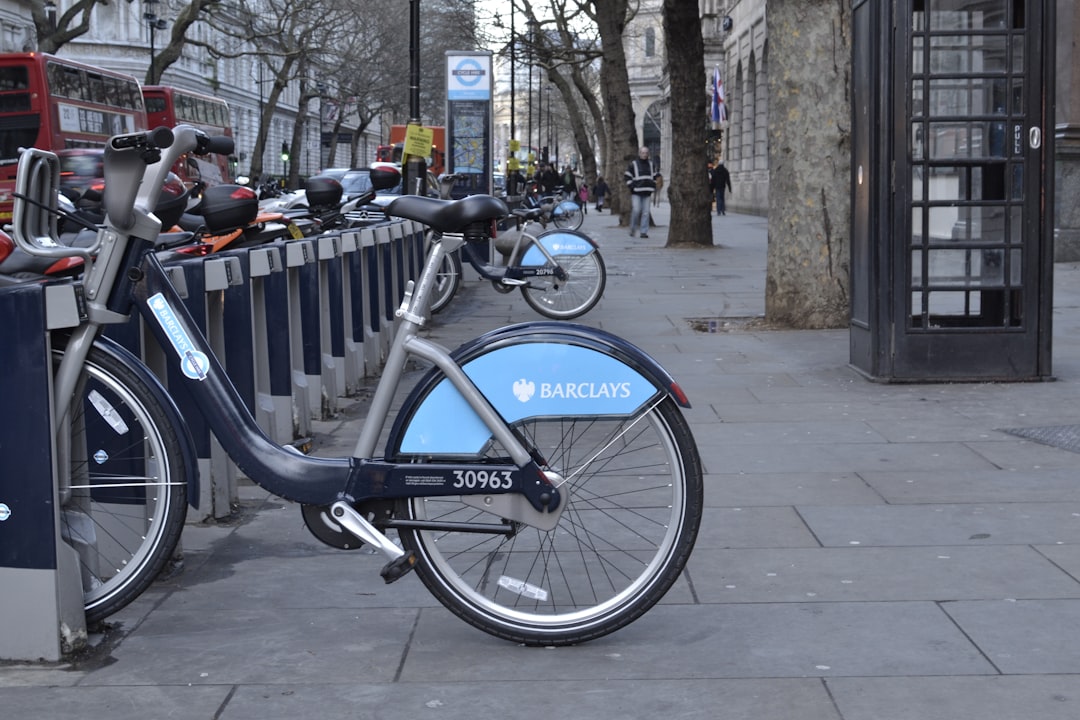
4. Santander Cycles
Commonly known as London’s public bicycle scheme, Santander Cycles provides a station-based system that emphasizes reliability and structure.
- Extensive Docking Network: Hundreds of docking stations across London.
- Affordable Pricing: Competitive daily access and low incremental costs.
- Public Backing: Supported by Transport for London.
Although it lacks the dockless flexibility of other platforms, its widespread infrastructure ensures predictable availability and regulated parking. Such systems are particularly effective in densely regulated urban cores.
5. TIER (E-Bike Services)
While primarily known for e-scooters, TIER has expanded into electric bicycle sharing. The company focuses heavily on sustainability and fleet efficiency.
- Carbon-Neutral Ambitions: Strong environmental commitments.
- Battery Swapping Technology: Reduces operational emissions from vehicle collection.
- Multi-Vehicle App: Combines scooters and bikes in one platform.
TIER’s technology-driven approach improves availability while decreasing operational inefficiencies, benefiting both users and city authorities.
6. BIXI
Originating in Montreal, BIXI has become a benchmark for public bike-sharing systems in North America.
- Seasonal Optimization: Tailors operations to weather conditions.
- Electric and Standard Bikes: Offers user choice.
- Community Integration: Strong support from city administrations.
BIXI’s expansion into multiple cities underscores how structured, government-supported programs can remain financially sustainable while encouraging widespread adoption.
Comparison Chart of Bike Sharing Apps
| Platform | System Type | E-Bike Option | Dockless | Public Transport Integration | Primary Strength |
|---|---|---|---|---|---|
| Lime | Dockless | Yes | Yes | Limited | Global flexibility |
| Nextbike | Hybrid | Yes (selected cities) | Partially | Strong | City partnerships |
| Call a Bike | Hybrid | Limited | Partially | Very strong | Rail integration |
| Santander Cycles | Station-based | Yes | No | Moderate | Structured reliability |
| TIER | Dockless | Yes | Yes | Limited | Sustainability focus |
| BIXI | Station-based | Yes | No | Moderate | Public system stability |
Key Factors That Make These Apps Accessible
1. Digital Simplicity
Each of these platforms relies on intuitive mobile applications. Users can scan QR codes, unlock bikes, monitor ride duration, and process payments without interacting with physical kiosks. This lowers barriers for tourists, occasional riders, and residents alike.
2. Flexible Pricing Models
From pay-per-minute billing to monthly subscriptions and day passes, pricing structures accommodate varied usage patterns. Students, commuters, and visitors can choose plans suited to their budgets.
3. Reduced Environmental Impact
E-bike technology and widespread fleet deployment reduce reliance on private vehicles. Some providers, including TIER and Lime, have integrated operational changes to minimize carbon emissions related to maintenance and charging.
4. Integration with Existing Infrastructure
Apps such as Call a Bike and Nextbike demonstrate how integration with bus and train networks enhances convenience. This comprehensive approach transforms bicycles into a core rather than supplementary mobility option.
The Broader Impact on Urban Mobility
Bike-sharing systems do more than move individuals from point A to point B. They reshape urban planning priorities. When cities observe significant bike adoption, they often invest in expanded cycle lanes, safer intersections, and traffic calming measures. These improvements further encourage participation, creating a positive feedback loop.
Moreover, shared bikes contribute to transport equity. Individuals who cannot afford cars gain reliable mobility. Low-entry pricing models and pay-as-you-go options enable access without the financial burden of ownership, insurance, or maintenance.
For local governments, the data generated by these platforms offers insight into traffic patterns and infrastructure needs. Heat maps, usage peaks, and route tracking help inform policy decisions, enabling evidence-based transportation planning.
Choosing the Right Alternative to Donkey Republic
Selecting the most suitable bike-sharing app depends on several factors:
- Location: Availability varies by city and country.
- Dock Preference: Some riders prefer structured docking stations; others value dockless flexibility.
- Electric Assistance Needs: Hilly terrain often makes e-bikes more practical.
- Frequency of Use: Regular commuters benefit from subscription packages.
While Donkey Republic remains a strong and reputable solution, the six alternatives discussed here offer similarly credible systems with distinct advantages.
Conclusion
Urban mobility is increasingly defined by adaptability, sustainability, and digital convenience. Bike-sharing apps such as Lime, Nextbike, Call a Bike, Santander Cycles, TIER, and BIXI illustrate the diversity of approaches shaping this transformation. Whether dockless or station-based, publicly operated or privately managed, each contributes to reducing congestion and broadening access to transport.
As cities continue prioritizing greener infrastructure and multimodal transport networks, these apps will likely expand in scale and sophistication. For individuals seeking practical alternatives to car ownership and for municipalities striving to create resilient urban ecosystems, bike-sharing platforms represent a mature, credible, and forward-looking solution.