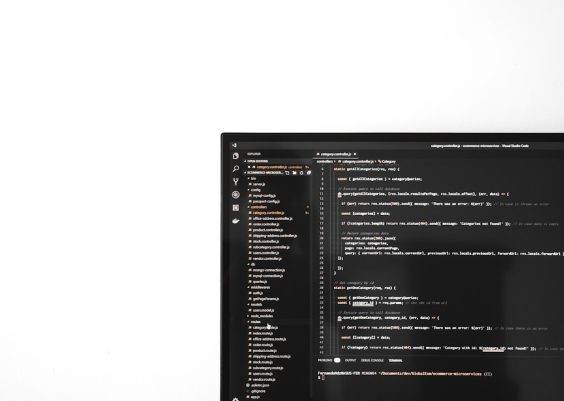
The best Redash alternative depends on whether a team needs fast SQL dashboards, deeper self-service exploration, or cleaner reporting for non-technical users. Redash is still loved for SQL-first analytics, and its open-source project has more than 25,000 GitHub stars [source: GitHub]. Still, many teams outgrow it when permissions, alerts, query speed, or polished reporting become daily pain points.
TLDR: Metabase is the easiest Redash alternative for mixed teams that want SQL and no-code exploration. Apache Superset fits data teams that want open-source scale and richer visualization controls. For example, a 30-person operations team tracking 12 KPIs across sales, support, and finance may save 5 to 10 hours per week by moving recurring exports into shared dashboards. Mode, Holistics, and Lightdash are better when reporting needs stronger workflow, metrics control, or data-team ownership.

Why teams move away from Redash
Redash is simple in a good way. It connects to databases, runs SQL, and turns queries into dashboards. That works well for engineers and analysts.
The trouble starts when more people join. Sales wants filtered reports. Finance wants scheduled PDFs. Support wants alert rules. Executives want clean summaries without touching SQL. Honestly, it feels annoying when a small dashboard change turns into three query edits and a Slack thread.
Good Redash alternatives solve one or more of these problems:
- Better self-service analytics for non-SQL users
- Cleaner dashboard sharing across teams
- Stronger permissions for sensitive data
- Reusable metrics so numbers match
- More polished reporting for stakeholders
1. Metabase
Best for: teams that want SQL dashboards plus simple no-code data exploration.
Metabase is often the first stop after Redash. It keeps SQL available, but it also gives business users a point-and-click query builder. That matters when marketing or product teams keep asking analysts for basic cuts of the same data.
Its dashboards are clean. Filters are easy to add. Scheduled emails are simple enough for most teams. Metabase also has a friendly setup flow, which helps smaller companies get value fast.
Where it can frustrate teams: advanced analytics can feel limited compared with heavier BI tools. Large deployments may need careful admin work, especially around permissions and performance.
2. Apache Superset
Best for: data teams that want an open-source BI tool with more charting power.
Apache Superset is a strong Redash alternative for companies that already have data engineers or analytics engineers. It supports many databases, offers rich visualizations, and includes a SQL lab for technical users.
Superset is more flexible than Redash for dashboard design. It also gives teams more control over datasets, charts, and access rules. That makes it useful for larger internal analytics setups.
The catch is that setup can take time. Superset is not as light as Redash. Teams without technical ownership may find upgrades, configuration, and security settings a bit much.
3. Mode
Best for: analytics teams that publish SQL reports with context and narrative.
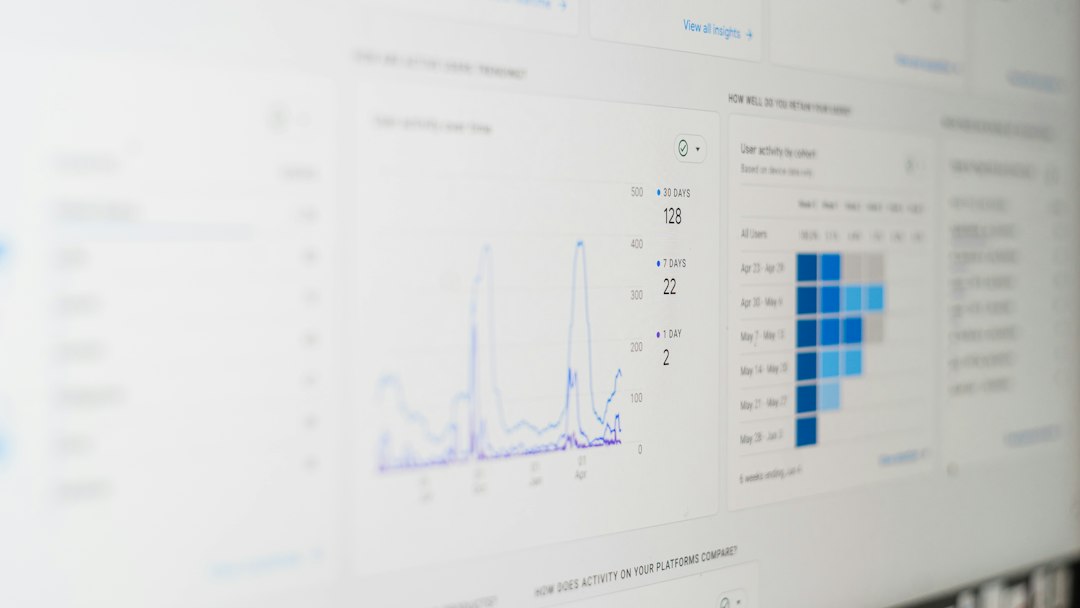
Mode is built for analysts who need more than charts. It combines SQL, Python, R, notebooks, dashboards, and written explanations. This makes it useful for deeper analysis and polished internal reporting.
A product analyst, for example, can run SQL, add a retention chart, include notes, and share the full report with product managers. That is cleaner than pasting charts into slides every week.
Mode works well when analysis is not only about monitoring metrics. It is also about explaining why something changed. The downside is cost. It can be more expensive than open-source options, and smaller teams may not need all of its features.
4. Holistics
Best for: teams that want governed self-service BI with reusable data models.
Holistics focuses on modeled analytics. Instead of letting every dashboard use slightly different SQL, teams define business logic once. Then users can build reports from trusted fields and metrics.
This is useful when revenue, churn, activation, or margin numbers must match across departments. It drives people crazy when two dashboards show different monthly recurring revenue. Holistics helps reduce that mess.
It is a strong fit for data teams that care about governance. It may feel less instant than Redash at first, because modeling takes planning. But the payoff is cleaner reporting over time.
5. Lightdash
Best for: teams using dbt that want BI built around their metrics layer.
Lightdash is a smart pick for modern data teams that already use dbt. It turns dbt models into explorable datasets, dashboards, and metrics. That means analysts can keep business logic close to the data transformation layer.
Lightdash makes sense when a company wants governed BI without giving up developer-style workflows. Version control, dbt definitions, and shared metrics all fit the same process.
Non-technical users may still need help at first. The tool is strongest when the data team has already invested in dbt models and clear metric definitions.
Quick comparison
- Metabase: best all-round choice for simple SQL and no-code BI.
- Apache Superset: best open-source option for scale and chart variety.
- Mode: best for analyst-led reporting with written context.
- Holistics: best for governed metrics and self-service reporting.
- Lightdash: best for dbt-heavy data teams.
How to choose the right Redash alternative
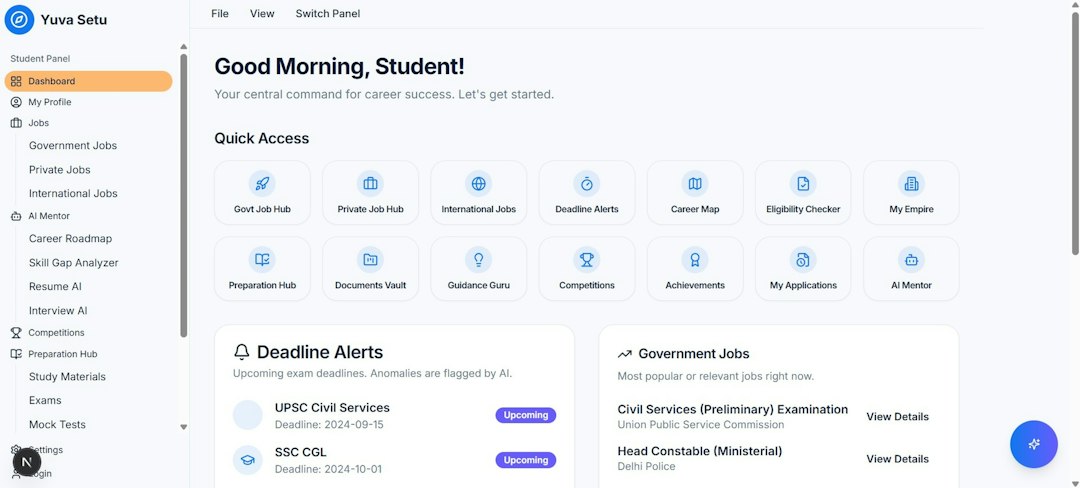
A small startup with one analyst may pick Metabase and move fast. A data engineering team with strict open-source rules may prefer Superset. A mature analytics team producing weekly deep dives may get more from Mode.
The best choice depends on three simple questions:
- Who builds reports? Analysts, engineers, or business users?
- How trusted must the metrics be? Basic dashboards or governed company KPIs?
- How much setup can the team handle? A hosted tool, or a self-managed stack?
Redash still works for SQL-heavy teams. But when reporting spreads across departments, these five tools give teams better ways to share, explain, and trust their data.
FAQ
What is the best Redash alternative overall?
Metabase is the best general alternative for many teams. It supports SQL users and gives non-technical users a simpler way to explore data.
Which Redash alternative is best for open-source BI?
Apache Superset is the strongest open-source choice for larger teams that want richer visualizations and more control.
Which tool is best for dbt users?
Lightdash is best for teams already using dbt. It connects BI workflows to dbt models and shared metric definitions.
Is Redash still worth using?
Yes. Redash is still useful for SQL-first dashboards and quick internal reporting. Teams may need an alternative when self-service analytics, governance, or polished reporting becomes more important.
Which option is easiest for non-technical users?
Metabase is usually the easiest. Its visual query builder helps business teams answer common questions without writing SQL.