Moises, LALAL.AI, Ultimate Vocal Remover, and Demucs are the strongest MVSEP alternatives for users who need clean vocal and instrument stems without wrestling with too many model choices. MVSEP is useful, but it can feel crowded for casual users. Demucs is especially respected because its four-source model can separate vocals, drums, bass, and other instruments [source: Meta AI].
TLDR: For most musicians, Moises is the easiest pick, while LALAL.AI is better for quick browser-based vocal removal. Ultimate Vocal Remover and Demucs suit users who want more control and do not mind extra setup. For example, a cover singer working with a 3-minute pop song can often get usable vocals and backing tracks in under 5 minutes with a web tool, while a local setup may take longer but give cleaner results on tricky mixes.
AI audio separation is now a normal part of remixing, karaoke track creation, podcast cleanup, music practice, and sample prep. The hard part is not finding a tool. It is finding one that does not turn cymbals into sandpaper or leave ghost vocals in the instrumental.
1. Moises
Best for: singers, teachers, students, drummers, guitarists, and casual remix creators.
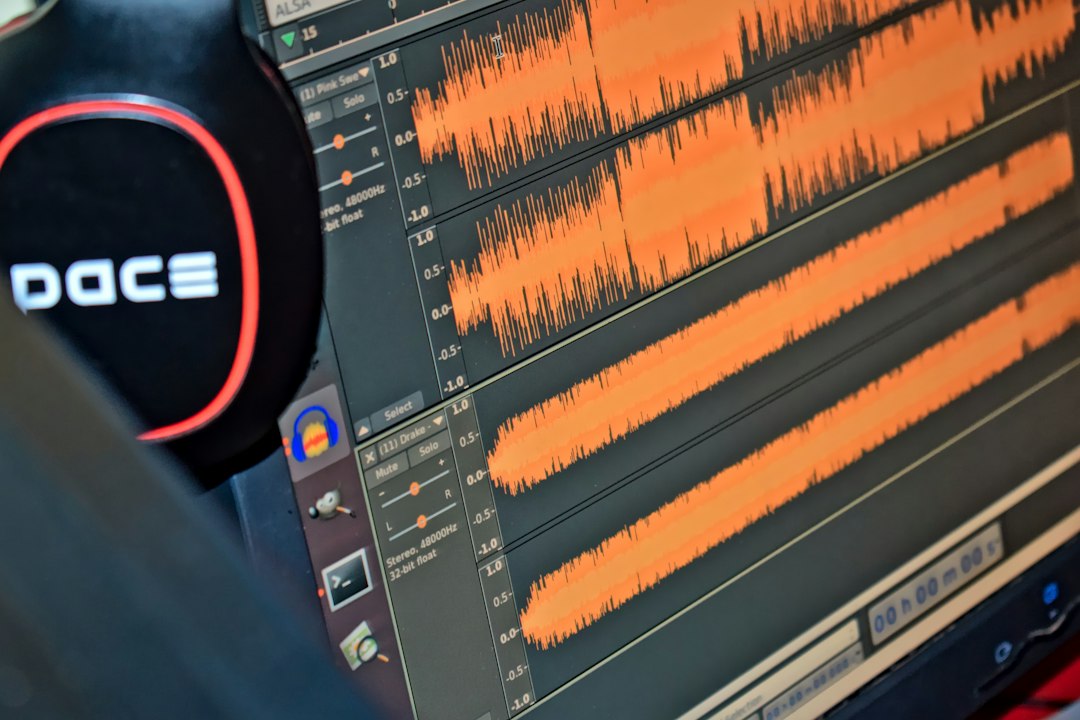
Moises is one of the most friendly MVSEP alternatives because it turns stem separation into a simple workflow. A user can upload a song, split it into vocals, drums, bass, guitar, keys, and other tracks, then change pitch or tempo. That makes it useful for practice, not just extraction.
The mobile app is a big reason people like it. A vocalist can isolate the lead vocal, lower the key, and rehearse over the backing track without opening desktop software. A drummer can mute the drum stem and play along with the rest of the band.
- Pros: clean interface, strong practice tools, mobile apps, pitch and speed controls.
- Cons: free limits can feel tight, and exports may require a paid plan.
- Best use case: learning songs, making rehearsal tracks, and quick vocal removal.
Honestly, it feels like Moises was built for musicians first and audio nerds second. That is not a bad thing. It means less time clicking through settings and more time using the stems.
2. LALAL.AI
Best for: fast browser-based separation with minimal setup.
LALAL.AI is a strong choice when speed matters. It works in the browser and supports several stem types, including vocals, drums, bass, electric guitar, acoustic guitar, piano, and synthesizer. Its interface is clean. The user uploads a file, chooses a stem type, and waits for the preview.
The tool is handy for editors who need a vocal stem from a song, or a mostly clean instrumental for a short project. It can also help podcasters remove background music from speech in some cases, though results depend heavily on the mix.
- Pros: easy upload, fast previews, no software install, many stem options.
- Cons: credit-based pricing can be annoying, and previews may sound better than expected exports on messy tracks.
- Best use case: quick vocal extraction, social clips, demo prep, and simple remix tasks.
The catch is that users may burn credits while testing files that were never going to separate well. Dense rock mixes, live recordings, and low-bitrate MP3s can still sound rough.
3. Ultimate Vocal Remover
Best for: users who want free desktop control and strong model choices.
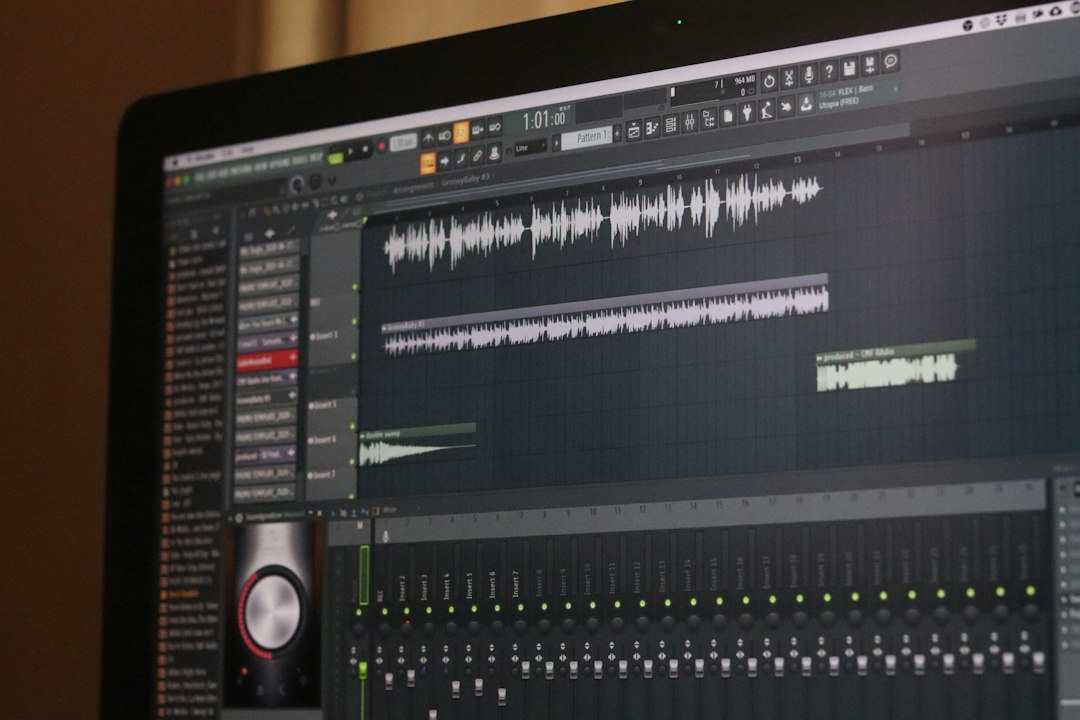
Ultimate Vocal Remover, often called UVR, is a free desktop app that wraps several separation models in one interface. It is popular with hobby producers because it gives far more control than most web apps. Users can choose models, adjust processing options, and test different methods for vocals, instrumentals, drums, bass, and more.
That control is the whole appeal. It is also the part that can get irritating. Expect to waste time on the first setup, especially on lower-end machines. A casual user who only wants one acapella may find it too much. A producer who wants the best possible result from a bad mix may love it.
- Pros: free, flexible, strong results with the right model, works locally.
- Cons: setup takes patience, processing can be slow, interface can scare beginners.
- Best use case: serious stem extraction, batch work, and testing several models on one song.
UVR is a good replacement for MVSEP when privacy matters. Since files can be processed locally, users do not always need to upload unreleased music to a server.
4. Demucs
Best for: technical users, developers, and producers who want high-quality open-source separation.
Demucs is not a polished consumer app by itself. It is a source separation model. Many tools use it under the hood, and advanced users can run it directly. It is known for strong separation of vocals, drums, bass, and other instruments, especially when compared with older vocal remover tools.
For a producer who is comfortable with command-line tools, Demucs can be a great MVSEP alternative. It costs nothing to use, aside from the user’s own computer power. It also gives users more say over output format and processing choices.
- Pros: open source, high-quality stems, no web upload needed, widely trusted.
- Cons: not beginner-friendly, setup can be confusing, slower on weak hardware.
- Best use case: local stem creation, research, remix work, and custom audio pipelines.
Demucs makes the most sense when quality matters more than comfort. It will not hold anyone’s hand, but it can reward patient users with excellent stems.

Which MVSEP Alternative Should Be Picked?
- Pick Moises for practice, lessons, covers, and mobile use.
- Pick LALAL.AI for quick web-based vocal or instrument extraction.
- Pick Ultimate Vocal Remover for free desktop control and model testing.
- Pick Demucs for open-source quality and local processing.
No tool is perfect. AI separation still struggles with reverb, layered vocals, distorted guitars, and crowded choruses. The best results usually come from clean source files, such as WAV or high-quality MP3 tracks. A bad upload often creates bad stems, no matter how smart the model is.
FAQ
What is the best MVSEP alternative for beginners?
Moises is the best beginner option because it is simple and includes practice tools like pitch and tempo control.
Which tool is best for free vocal removal?
Ultimate Vocal Remover is a strong free choice, but it requires installation and some patience.
Is Demucs better than MVSEP?
Demucs can produce excellent results, but it is less convenient. MVSEP is easier for users who want several models in one web interface.
Can these tools remove vocals perfectly?
No. They can get close, but artifacts are common. Reverb tails, backing vocals, and dense mixes often leave traces behind.
Which tool is best for karaoke tracks?
Moises and LALAL.AI are the most practical choices for karaoke-style instrumentals because they are fast and easy to use.