Modern digital products generate massive volumes of behavioral data, and transforming that data into actionable insight has become essential for sustainable growth. Cloud analytics tools like Mixpanel enable companies to track user behavior, measure engagement, optimize features, and drive conversions through detailed product analytics. These platforms operate in the cloud, offering scalability, real-time tracking, and collaborative dashboards that empower teams across marketing, product, and development. As data-driven decision-making becomes the norm, selecting the right analytics solution can directly influence product success.
TLDR: Cloud analytics tools such as Mixpanel help businesses understand how users interact with their digital products through event-based tracking and real-time insights. These tools provide scalable infrastructure, powerful segmentation, and visualization features for optimized decision-making. Leading platforms like Amplitude, Heap, Google Analytics 4, and Adobe Analytics offer distinct strengths depending on organizational needs. Choosing the right solution depends on business size, data complexity, technical requirements, and growth objectives.
The Rise of Cloud-Based Product Analytics
Traditional analytics once focused primarily on page views and session durations. However, modern digital products require event-driven insights that go deeper than surface-level metrics. Cloud analytics platforms emerged to address this need by allowing teams to track specific user actions—such as button clicks, video views, subscription sign-ups, or feature usage—in real time.
Unlike on-premise systems, cloud-based tools provide:
- Scalability: Automatically handle growing volumes of data.
- Accessibility: Enable remote teams to collaborate via dashboards.
- Automatic updates: Continuously improve features without manual installation.
- Security and compliance: Maintain data governance standards such as GDPR and CCPA.
By leveraging cloud infrastructure, these tools eliminate heavy maintenance while ensuring rapid data processing and visualization.
How Mixpanel Powers Product Analytics
Mixpanel has positioned itself as a leader in event-based analytics. Instead of focusing only on sessions, Mixpanel centers analysis around user events and actions, offering granular visibility into how users interact with a product.
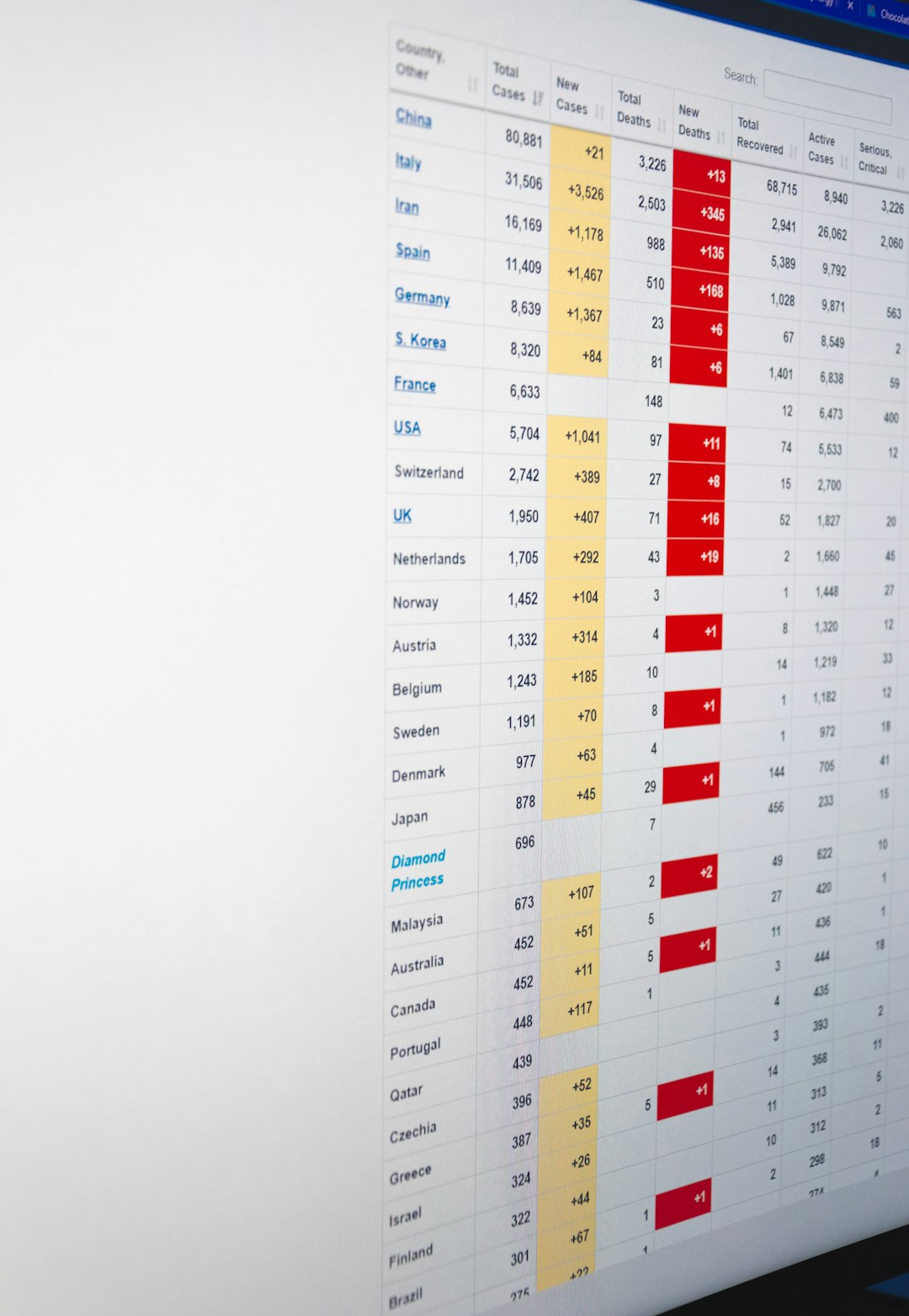
Key capabilities of Mixpanel include:
- Event Tracking: Capture precise user interactions across web and mobile apps.
- Funnels: Identify drop-off points in onboarding or purchase flows.
- Retention Reports: Understand how frequently users return.
- Cohort Analysis: Segment users based on behavior or demographics.
- A/B Testing Integration: Measure the impact of feature changes.
These features allow product teams to answer critical questions, such as why users abandon a sign-up process or which features increase retention. Mixpanel’s intuitive interface also makes data interpretation accessible to non-technical stakeholders.
Other Leading Cloud Analytics Tools
Although Mixpanel is a strong contender, several other analytics platforms compete in the market. Each tool provides unique advantages depending on business requirements.
1. Amplitude
Amplitude emphasizes behavioral analytics and advanced segmentation. It offers predictive analytics capabilities and strong experimentation features, making it appealing to growth-focused teams.
2. Heap
Heap differentiates itself by automatically capturing user interactions without requiring predefined event tracking. This reduces implementation time and allows retroactive analysis of historical data.
3. Google Analytics 4
GA4 blends marketing and product analytics using an event-driven data model. It integrates natively with Google’s advertising ecosystem and offers cross-platform tracking.
4. Adobe Analytics
Adobe Analytics delivers enterprise-grade data analysis, advanced segmentation, and AI-powered insights through Adobe Sensei. It is particularly suited for large organizations with complex needs.
Comparison Chart of Popular Cloud Analytics Tools
| Feature | Mixpanel | Amplitude | Heap | Google Analytics 4 | Adobe Analytics |
|---|---|---|---|---|---|
| Event-Based Tracking | Yes | Yes | Automatic capture | Yes | Yes |
| Funnel Analysis | Advanced | Advanced | Moderate | Basic | Advanced |
| Ease of Implementation | Moderate | Moderate | Easy | Easy | Complex |
| AI Insights | Limited | Predictive features | Basic insights | Automated insights | Strong AI integration |
| Best For | Product teams | Growth teams | Startups | Marketing and SMB | Enterprises |
Core Features to Consider When Choosing a Tool
Organizations must evaluate analytics tools based on their unique requirements. Important criteria include:
- Data Flexibility: Can the platform track custom events and properties?
- Integration Capabilities: Does it connect with CRM, marketing automation, or data warehouses?
- Real-Time Reporting: Are dashboards updated instantly?
- User Permissions: Can teams control access and data governance?
- Pricing Model: Is billing based on events, users, or data volume?

Cloud analytics solutions should also support cross-platform environments, including web, iOS, Android, and emerging digital channels. The more unified the tracking system, the more reliable the insights.
Benefits of Using Cloud Analytics for Product Tracking
The adoption of cloud-based analytics tools offers several competitive advantages:
- Improved Product Decisions: Real-time metrics reduce guesswork.
- Enhanced User Experience: Behavioral patterns reveal friction points.
- Faster Experimentation: Teams can test hypotheses quickly.
- Data Democratization: Dashboards empower cross-functional collaboration.
- Cost Efficiency: No heavy infrastructure investment required.
By focusing on measurable outcomes, such as activation rates or retention percentages, businesses can optimize features that directly impact revenue growth.
Implementation Best Practices
Deploying a cloud analytics tool requires careful planning. Even platforms that promise easy integration must align with broader data strategies.
Define Clear Objectives: Teams should establish key performance indicators before implementing tracking.
Standardize Event Naming: Consistent naming conventions prevent reporting confusion.
Ensure Data Governance: Establish privacy compliance and role-based access.
Continuously Validate Data: Monitor event accuracy through audits and QA testing.
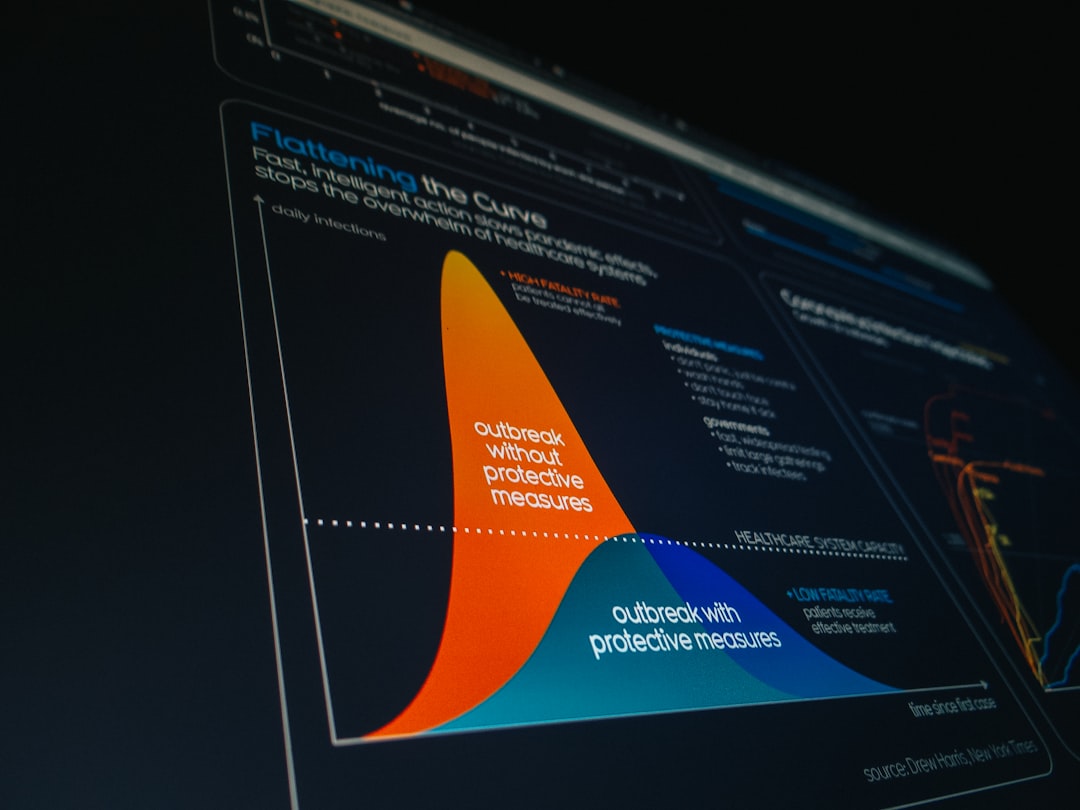
When implemented properly, analytics tools become long-term strategic assets rather than simple reporting systems.
Future Trends in Cloud Product Analytics
As artificial intelligence and machine learning evolve, analytics tools are becoming increasingly predictive. Instead of simply describing what happened, next-generation platforms anticipate user behavior and recommend actions.
Emerging trends include:
- Predictive Retention Modeling
- Automated Insight Generation
- Deeper Personalization Capabilities
- Privacy-First Tracking Solutions
Additionally, warehouse-native analytics is gaining attention, allowing companies to analyze data directly within their cloud data warehouses for increased flexibility and ownership.
Conclusion
Cloud analytics tools like Mixpanel play a transformative role in how modern organizations understand and improve their digital products. With event-based tracking, customizable dashboards, and scalable infrastructure, these platforms provide the clarity needed to refine user experiences and drive growth. While Mixpanel remains a strong choice for product-focused teams, alternatives such as Amplitude, Heap, Google Analytics 4, and Adobe Analytics cater to different business needs. Ultimately, selecting the right tool requires balancing technical complexity, organizational scale, and strategic objectives.
Frequently Asked Questions (FAQ)
-
1. What is product analytics?
Product analytics refers to the systematic tracking and analysis of user interactions within digital products to improve usability, engagement, and business outcomes. -
2. How is Mixpanel different from Google Analytics?
Mixpanel focuses on event-based tracking and behavioral analysis, while Google Analytics traditionally emphasizes traffic sources and session-based metrics, though GA4 has adopted event tracking as well. -
3. Are cloud analytics tools suitable for startups?
Yes. Many platforms offer scalable pricing plans, making them accessible for startups while allowing growth without switching systems. -
4. What is event-based tracking?
Event-based tracking records specific user actions, such as clicks or purchases, providing detailed insights into how users interact with a product. -
5. Is data security a concern with cloud analytics?
Reputable cloud providers implement encryption, compliance certifications, and strict data governance controls to safeguard user information. -
6. How long does implementation typically take?
Implementation time varies depending on platform complexity and tracking requirements, but many businesses can deploy basic tracking within days or weeks.