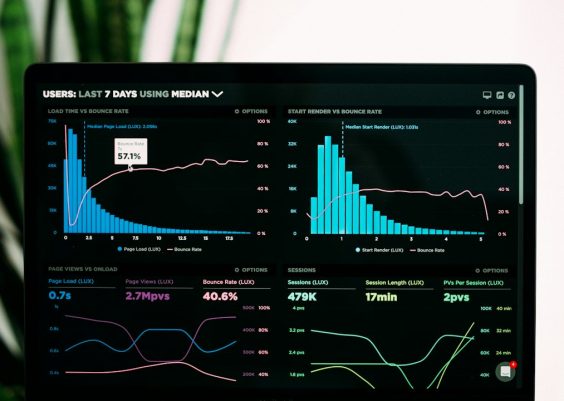
Understanding how users think, feel, and behave on a website or application is essential for digital growth. While analytics tools reveal what users are doing, they rarely explain why they are doing it. This is where customer feedback widgets become invaluable. These small but powerful tools collect real-time insights directly from users, helping businesses bridge the gap between data and human experience.
TLDR: Customer feedback widgets help businesses understand the motivations behind user behavior by collecting real-time insights directly from visitors. Unlike traditional analytics, these tools explain why users act the way they do. They support conversion optimization, usability improvements, and customer satisfaction initiatives. When implemented strategically, feedback widgets transform raw behavioral data into actionable intelligence.
Customer feedback widgets are small on-screen elements designed to capture opinions, preferences, and experiences. They appear as pop-ups, slide-ins, embedded forms, or subtle buttons that invite users to share input. Because they are integrated directly into the user journey, they provide contextual insights that are often far more valuable than post-interaction surveys.
The Importance of Understanding User Behavior
Digital platforms are shaped by user behavior. Every click, scroll, hover, and exit tells part of a story. However, without context, these behavioral signals remain incomplete. A high bounce rate might indicate confusion, poor design, pricing concerns, or simply mismatched expectations. Only direct feedback can clarify the real cause.
Customer feedback widgets enhance behavioral analysis by:
- Clarifying friction points in user journeys
- Identifying emotional responses to content or features
- Revealing barriers to conversion
- Highlighting usability issues
- Uncovering unmet expectations
By combining quantitative data with qualitative insights, organizations gain a holistic view of how their platforms perform and how users truly experience them.
Types of Customer Feedback Widgets
Not all feedback widgets serve the same purpose. Different formats capture different types of insights. Choosing the right widget depends on business goals and user context.
1. Rating Widgets
These simple tools allow users to rate their experience using stars, emojis, or numerical scales. They are quick, unobtrusive, and effective for gauging overall satisfaction.
2. Exit-Intent Surveys
Displayed when a user is about to leave a page, these widgets help businesses understand abandonment. Asking “What stopped you from completing your purchase?” can reveal critical insights.
3. On-Page Micro Surveys
These short questionnaires appear during specific interactions. For example, after completing a form or reading an article.
4. Open-Text Feedback Boxes
These allow users to provide detailed comments. Although response rates may be lower, the depth of information is often highly valuable.
5. Feature-Specific Feedback Prompts
Targeted to particular tools or functionalities, these widgets assess usability and performance at a granular level.
How Feedback Widgets Reveal Behavioral Patterns
When deployed strategically, customer feedback widgets do more than collect opinions — they uncover patterns. For example, if multiple users mention confusion about pricing tiers, businesses can confidently identify pricing communication as a behavioral obstacle.
Feedback widgets can be triggered based on:
- Time spent on a page
- Scroll depth
- Repeated clicks or hesitation
- Cart abandonment
- Feature usage frequency
This behavioral targeting ensures that feedback is relevant and contextual. Context significantly increases the accuracy and usefulness of responses.
For example, a user lingering on a checkout page for an extended period may receive a small prompt asking if they encountered any issues. The response can immediately clarify whether confusion, payment concerns, or technical problems caused hesitation.
Benefits for Conversion Optimization
One of the most significant impacts of customer feedback widgets lies in conversion rate optimization. Businesses often rely on A/B testing to adjust headlines, layouts, and call-to-action buttons. While testing identifies winning variations, it does not always explain why a particular version performs better.
Direct feedback helps marketers:
- Refine messaging based on user language
- Eliminate confusing navigation elements
- Improve trust signals
- Address objections proactively
- Adjust pricing presentation
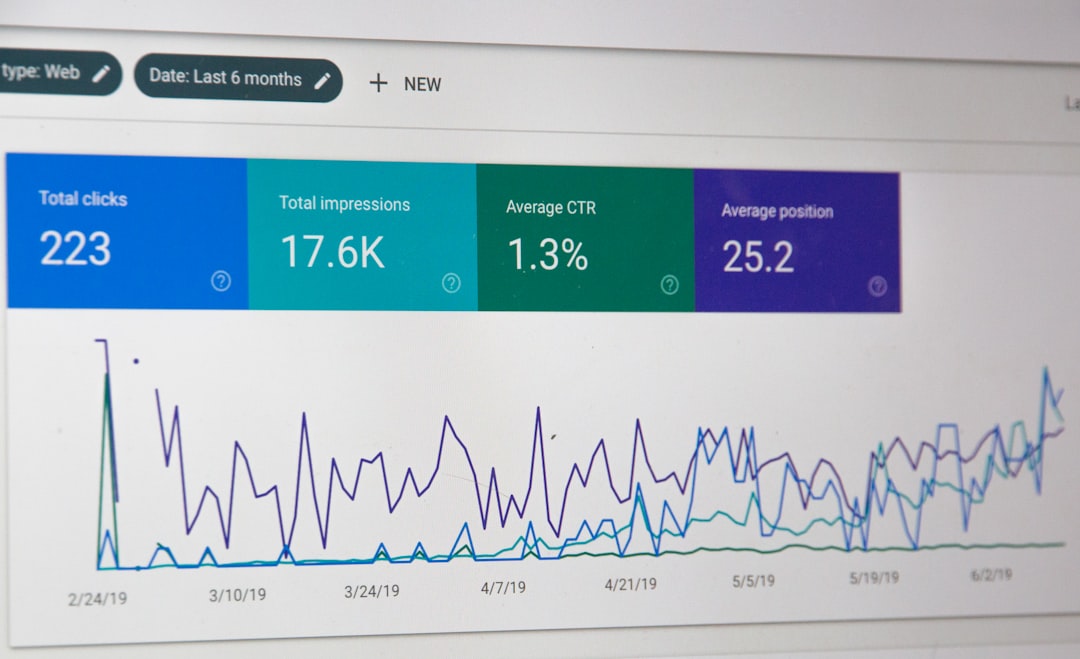
By correlating feedback themes with conversion data, businesses can prioritize improvements that have measurable impact. This strategic alignment reduces guesswork and supports smarter decision-making.
Enhancing User Experience Through Continuous Feedback
User behavior evolves over time. New design trends, technological shifts, and changing expectations influence how people interact with digital environments. Static research conducted once a year is insufficient.
Customer feedback widgets enable continuous discovery. Instead of relying on periodic surveys, companies collect real-time micro-feedback on an ongoing basis.
This continuous loop allows organizations to:
- Monitor satisfaction trends
- Detect emerging usability issues
- Evaluate recent feature releases
- Validate design changes
- Track sentiment shifts
Agile teams benefit significantly from this model. Rapid iterations become safer when immediate user responses confirm or challenge design assumptions.
Psychological Insights Behind User Feedback
Effective feedback widgets do not only gather information — they consider psychology. Timing, wording, and design influence response rates and honesty.
Best practices include:
- Using clear and concise language
- Limiting the number of questions
- Ensuring anonymity when appropriate
- Displaying widgets at natural interaction pauses
- Providing optional open-text follow-ups
When users feel that their opinions matter and that sharing feedback requires minimal effort, they are more likely to participate. Moreover, businesses that visibly implement suggested changes reinforce trust and encourage future engagement.
Data Integration and Analysis
The real value of feedback widgets emerges during analysis. Raw comments must be categorized, tagged, and correlated with behavioral metrics.

Modern systems often use sentiment analysis and keyword clustering to identify recurring themes. For instance, if negative feedback frequently includes words like “slow,” “confusing,” or “hidden,” teams can quickly pinpoint areas for improvement.
Integrating qualitative feedback with quantitative analytics allows organizations to answer critical questions:
- Why do users abandon certain pages?
- What motivates repeat visitors?
- Which features generate frustration?
- How do expectations differ across user segments?
This integration ensures that decisions are grounded not only in numbers but also in authentic user voices.
Common Mistakes to Avoid
Despite their advantages, feedback widgets can be misused. Poor implementation can annoy users and reduce engagement.
Organizations should avoid:
- Overloading pages with multiple pop-ups
- Interrupting critical tasks
- Asking too many questions at once
- Ignoring collected feedback
- Failing to close the feedback loop
Respect for user attention is crucial. Widgets should feel helpful, not intrusive.
Strategic Implementation Guidelines
A thoughtful approach ensures maximum value from feedback widgets. Companies should:
- Define clear objectives before deployment
- Select targeted triggers based on user behavior
- Segment audiences when analyzing responses
- Share insights cross-functionally within teams
- Communicate improvements back to users
Cross-department collaboration amplifies results. Insights from feedback may influence product design, marketing messaging, customer support, and even broader business strategy.
The Future of Feedback Widgets
As artificial intelligence evolves, customer feedback widgets are becoming more predictive and personalized. Adaptive systems can adjust questions based on user behavior patterns, increasing relevance and response rates.
Voice-based input, conversational chat-style widgets, and real-time sentiment detection are redefining feedback collection. These innovations minimize friction while maximizing insight depth.
Ultimately, understanding user behavior is no longer optional. Competitive digital environments demand constant refinement, guided by genuine customer perspectives. Feedback widgets offer a direct pathway to those perspectives, empowering organizations to build experiences that truly resonate.
Frequently Asked Questions (FAQ)
1. What are customer feedback widgets?
Customer feedback widgets are interactive on-screen elements that collect user opinions, ratings, or comments directly within a website or application.
2. How do feedback widgets differ from traditional surveys?
Unlike email or external surveys, feedback widgets appear during the user journey, providing contextual and immediate insights tied to specific behaviors.
3. Do feedback widgets negatively impact user experience?
When used sparingly and strategically, they enhance user experience by offering users a voice. Overuse, however, can feel intrusive.
4. What type of questions should businesses ask?
Questions should be short, relevant, and aligned with specific touchpoints, such as checkout, onboarding, or feature use.
5. Can feedback widgets increase conversions?
Yes. By identifying and addressing friction points, businesses can improve usability and reduce barriers to conversion.
6. How often should feedback data be reviewed?
Feedback should be monitored continuously, with structured reviews conducted regularly to identify trends and prioritize improvements.
7. Are anonymous responses better?
Anonymous feedback can encourage honesty, especially for negative experiences. However, optional identification allows follow-up when necessary.
8. How can small businesses benefit from feedback widgets?
Even with limited traffic, small businesses can gather valuable insights that guide improvements, refine messaging, and strengthen customer relationships.
Customer feedback widgets offer more than a collection mechanism — they enable meaningful dialogue between businesses and users. By transforming behavioral patterns into understandable motivations, they empower organizations to create experiences driven not by assumption, but by authentic user insight.