Free real estate content works best when it solves a buyer or seller’s next problem and gives the agent a clear path to follow up. It can be a market report, checklist, neighborhood guide, video tour, valuation sheet, open house script, or social media post. The goal is not to give everything away. The goal is to build trust, collect qualified leads, and make a property feel easier to understand.
TLDR: Free real estate content can turn casual visitors into warm leads when it offers clear value, such as a “First-Time Buyer Checklist” or a “What Is My Home Worth?” guide. A small agency that publishes one local market report per month and promotes it through email, search, and social posts could see 20% to 35% more inquiry forms over 90 days. For example, if 500 people download a neighborhood pricing guide and 8% request a call, that creates 40 potential client conversations. The best results come from mixing useful content, simple lead capture, and creative property promotion.
What “Free Real Estate” Content Really Means
Free real estate content is any no-cost material that helps people make property decisions. It can educate, compare, explain, or inspire. Some content is aimed at buyers. Some helps sellers. Some attracts renters, investors, landlords, or developers.
Common examples include:
- Home buying guides for first-time buyers
- Seller checklists for preparing a home before listing
- Neighborhood reports with pricing, schools, transport, and lifestyle details
- Mortgage explainers with sample payment ranges
- Property brochures with photos, floor plans, and feature lists
- Short videos for virtual tours and local area highlights
- Email market updates sent weekly or monthly
The word “free” can mislead people. The content costs time, planning, design, and distribution. Still, it removes friction for prospects. A buyer may not be ready to call an agent. That same buyer may download a simple guide about closing costs.

Why Free Content Creates Marketing Opportunities
Real estate decisions are stressful. Prices are high. Mistakes are expensive. People search for answers long before they contact an agent. Free content places a business in that early research phase.
A good content offer can support several marketing goals at once:
- Brand awareness: More people see the agent’s name and expertise.
- Search traffic: Local guides can rank for area-specific questions.
- Email growth: Downloadable resources can collect contact details.
- Trust building: Clear advice makes an agent feel safer to contact.
- Property exposure: Listings get extra attention through stories, videos, and local context.
The catch is that weak content wastes everyone’s time. A generic “Top 10 Moving Tips” post that sounds copied from 2014 will not move many leads. Local detail matters. So does accuracy. A report that says a suburb’s median sale price rose 6.8% in the last quarter feels more useful than vague claims about “strong demand.”
Lead Generation: Turning Readers Into Prospects
Free content should lead to a clear next step. That next step might be a call booking, valuation request, open house registration, newsletter signup, or property alert. Without that step, the content may get views but produce little business.
Strong lead magnets often answer urgent questions:
- How much can a buyer afford?
- What repairs increase sale price?
- Which streets or buildings offer better value?
- What are current rental yields in the area?
- How long are homes taking to sell?
Lead capture should stay simple. A name, email, phone number, and property interest may be enough. Long forms can kill results. If a form takes more than 30 seconds, many users will quit. It drives teams crazy when a lead form asks 14 questions before offering a basic PDF. That extra friction often hurts conversion more than it helps qualification.
After capture, follow-up matters. A buyer who downloads a condo guide should not receive a random farm newsletter. The better path is a short email sequence:
- Email 1: Send the promised guide instantly.
- Email 2: Share three current listings that match the topic.
- Email 3: Offer a quick consultation or property alert setup.
- Email 4: Provide a recent sale example or local pricing update.
Creative Property Promotion Strategies
Property promotion works better when it gives the listing a story. A home is not only bedrooms, bathrooms, and square footage. It is morning light in the kitchen. It is a five-minute walk to the train. It is a backyard that suits a dog, a family gathering, or a quiet weekend.
Creative promotion can include:
- Mini documentary tours: Short videos that show the home, street, and nearby amenities.
- Before and after visuals: Staging changes, garden cleanups, or renovation highlights.
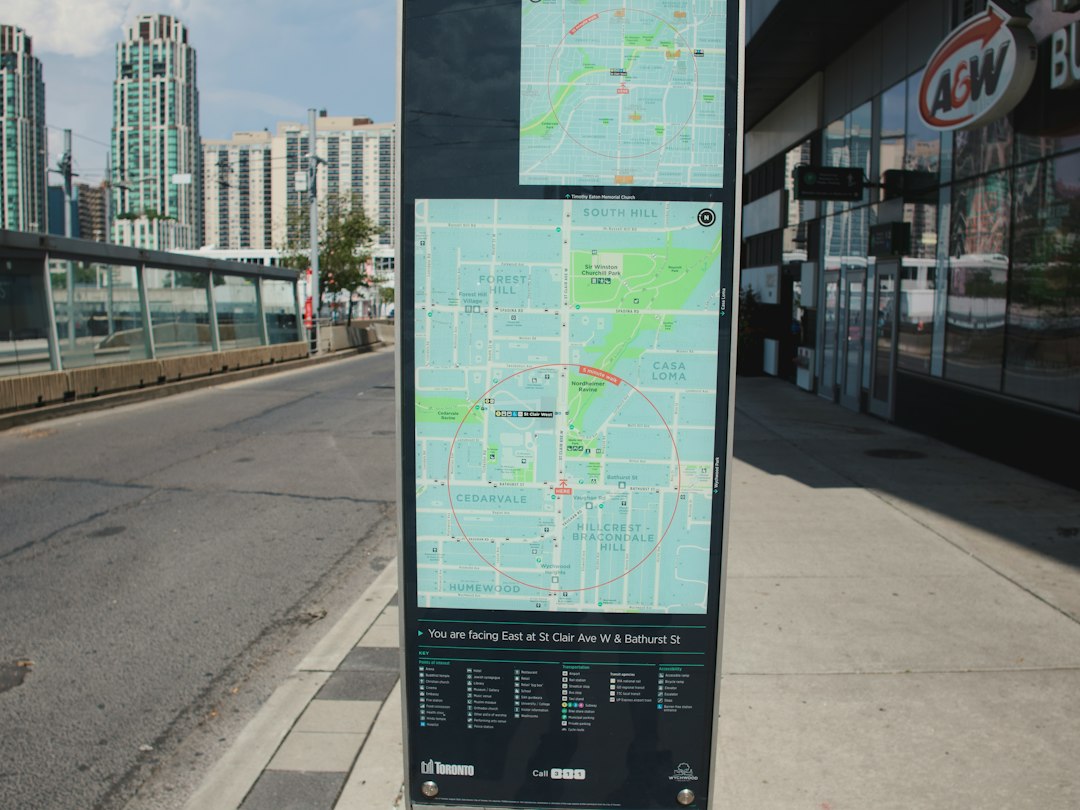
- Local lifestyle maps: Cafes, parks, schools, gyms, and transit points near the property.
- “Day in the life” posts: A simple story of how someone might live in the home.
- Investor snapshots: Rent estimate, yield range, vacancy rate, and comparable rentals.
- Open house countdowns: Short daily posts before a major inspection weekend.
Social platforms reward visual clarity. A listing photo dump is easy to ignore. A short reel with captions, price range, suburb name, and one strong hook can perform better. For example: “Three-bedroom townhouse, walk to station, no owner corporation fees.” That tells the right buyer why to care in five seconds.
Best Free Content Ideas for Real Estate Professionals
The most useful free content usually sits close to a money decision. Agents and marketers can build a simple content plan around buyer stage, seller stage, and local intent.
- For buyers: affordability calculators, inspection checklists, suburb comparison sheets, auction guides.
- For sellers: home valuation guides, staging checklists, pricing strategy explainers, “sell now or wait” reports.
- For investors: rental yield summaries, maintenance cost guides, tax season reminders, tenant demand reports.
- For renters: application checklists, moving guides, pet-friendly property tips, lease renewal explainers.
One strong PDF can become many smaller pieces. A suburb guide can turn into five social posts, one email, one blog article, one video script, and one open house handout. This saves time and keeps messaging consistent.
How to Measure Results
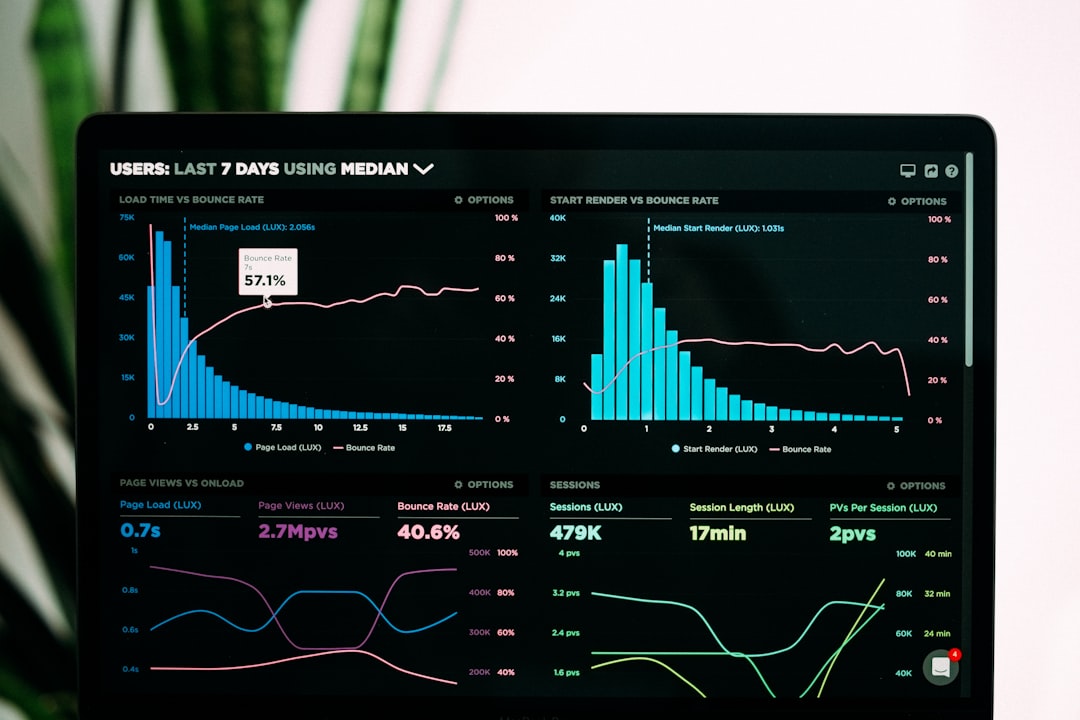
Free content should be tracked. Vanity metrics alone are not enough. A post with 10,000 views means little if nobody asks about a property or joins a list.
Useful metrics include:
- Landing page conversion rate: The percentage of visitors who submit a form.
- Cost per lead: Ad spend divided by leads collected.
- Email open and reply rates: Signs of interest after download.
- Booked appointments: The number of calls or valuations scheduled.
- Listing inquiries: Direct questions about a promoted property.
- Lead to client rate: The percentage of leads who become buyers, sellers, or landlords.
A practical target might be a 5% to 12% landing page conversion rate for cold traffic and 15% to 30% for warm email traffic. Results vary by market, offer, price point, and follow-up speed.
Common Mistakes to Avoid
Many campaigns fail because they focus on volume over clarity. More posts do not always mean more clients. Better answers often win.
- Being too broad: “Real estate tips” is weaker than “How to buy a townhouse in North Austin under $450,000.”
- Hiding the next step: Every guide or video needs a clear call to action.
- Ignoring local data: Buyers and sellers want proof from their area.
- Using poor visuals: Dark photos and cluttered graphics lower trust.
- Slow follow-up: Leads cool quickly, often within hours.
FAQ
What is free real estate content?
It is no-cost content that helps buyers, sellers, renters, or investors make property decisions. Examples include guides, checklists, videos, reports, and local market updates.
How does free content generate real estate leads?
It offers useful information in exchange for contact details or interest signals. The business can then follow up with relevant listings, advice, or appointment offers.
What type of free content works best?
Local, specific, and practical content works best. Neighborhood price guides, seller preparation checklists, and buyer cost breakdowns often perform well.
Should agents give away valuable advice for free?
Yes, within reason. Free advice builds trust. The paid value still sits in pricing skill, negotiation, access, timing, and personal service.
How often should real estate content be published?
A steady plan beats random posting. One strong article, one email, and several social posts each week can be enough for many small agencies.
What is the biggest mistake in real estate content marketing?
The biggest mistake is creating generic content with no clear audience or follow-up path. Content should answer a real question and guide the reader toward a useful next step.