Modern digital products live or die by how quickly and effectively users understand their value. Even the most innovative software can fail if new users feel confused, overwhelmed, or unsupported during their first interactions. This is where onboarding tour tools play a critical and strategic role. When implemented correctly, they bridge the gap between product complexity and user confidence, accelerating adoption and long-term engagement.
TLDR: Onboarding tour tools guide users through a product’s key features in a structured, interactive way, reducing friction and improving product adoption. They shorten time to value, increase engagement, and lower churn by providing contextual, personalized guidance. Effective tours are behavior-driven, concise, and aligned with real user goals. Organizations that treat onboarding as a strategic function consistently see measurable improvements in retention and conversion.
Product adoption is not simply about acquiring new users; it is about ensuring they gain value quickly enough to stay. Research consistently shows that users decide within minutes whether a product fits their needs. If they encounter friction during this early phase, they are unlikely to return. Onboarding tour tools directly address this risk by providing structured, contextual guidance at precisely the right moment.
What Are Onboarding Tour Tools?
Onboarding tour tools are software solutions that create guided walkthroughs inside a digital product. These tours often include tooltips, modals, step-by-step highlights, checklists, and interactive prompts that introduce users to essential features.
Rather than relying on documentation or static help pages, onboarding tours guide users directly within the interface. This contextual learning approach improves comprehension and retention because users learn by doing.
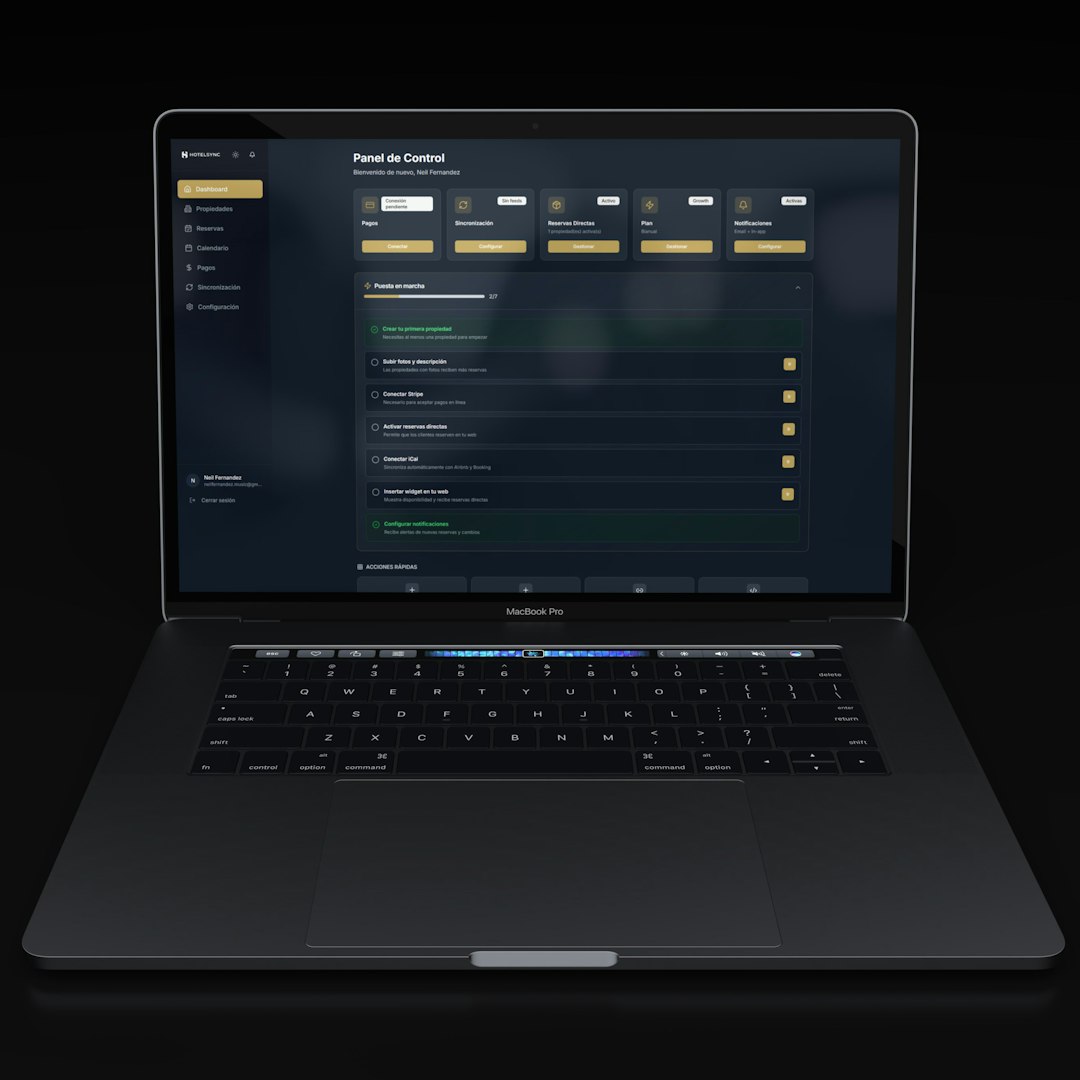
Depending on sophistication, onboarding tours may include:
- Interactive walkthroughs that require users to complete actions before proceeding
- Progress checklists that visually track onboarding completion
- Contextual tooltips triggered by user behavior
- Role-based flows tailored to different user segments
- Behavior-driven prompts based on feature usage patterns
Advanced tools also allow A/B testing, analytics tracking, and segmentation, making onboarding measurable and optimizable rather than static.
Why Product Adoption Depends on Effective Onboarding
Product adoption is directly linked to how quickly users experience meaningful value. This concept, often referred to as Time to Value (TTV), is one of the most critical metrics for SaaS and digital platforms.
Without proper onboarding:
- Users overlook key features
- Complex workflows feel intimidating
- Initial enthusiasm fades quickly
- Support costs increase
- Churn rates rise
Onboarding tour tools systematically reduce these risks by breaking down complexity into manageable, actionable steps. Instead of overwhelming users with every feature at once, they progressively reveal functionality aligned with user goals.
Key Benefits of Onboarding Tour Tools
1. Faster Time to Value
Well-designed onboarding tours highlight the shortest path to achieving a meaningful outcome. By guiding users to complete critical actions early, companies accelerate engagement and reduce drop-off rates.
For example, a project management tool may guide users to create their first project, invite team members, and assign tasks within minutes. This structured introduction immediately demonstrates real value.
2. Improved Feature Discovery
Many products suffer from underutilized features simply because users are unaware of them. Contextual product tours surface capabilities at relevant moments, increasing adoption of advanced functionality.
3. Reduced Support Burden
Support teams often handle repetitive questions related to basic usage. When onboarding tours proactively address these questions, organizations reduce ticket volume and allow support teams to focus on higher-impact issues.
4. Higher User Confidence
Clarity builds confidence. Guided tours give users reassurance that they are using the product correctly, lowering anxiety and promoting deeper engagement.
5. Measurable Optimization
Unlike static onboarding documentation, modern tour tools provide data. Teams can measure:
- Completion rates
- Drop-off points
- Feature engagement
- Conversion improvements
This data enables continuous improvement rather than guesswork.
Core Elements of High-Performing Onboarding Tours
Not all onboarding experiences are effective. Poorly designed tours can overwhelm users or feel intrusive. Trustworthy and serious implementation requires strategic planning.
Clear Goal Alignment
Every onboarding tour should lead users toward a specific outcome. Rather than introducing every feature, the tour should guide users to complete high-impact actions aligned with their goals.
Personalization
Different users have different objectives. A marketing manager and a technical administrator should not receive the same tour. Role-based segmentation significantly improves adoption because it respects user context.
Brevity and Focus
Long, complex tours create fatigue. The most effective onboarding experiences are concise and focus on essential steps only. Supplemental features can be introduced later through secondary onboarding flows.
Interactive Learning
Passive explanations are far less effective than guided interaction. Asking users to click, complete forms, or configure settings ensures active participation, which improves retention.
Progress Visibility
Visual indicators such as checklists and completion bars motivate users to finish onboarding. The psychological satisfaction of completion encourages follow-through.
Common Mistakes That Undermine Adoption
Despite good intentions, organizations sometimes misuse onboarding tools.
- Overloading users: Introducing too many features too quickly creates cognitive overload.
- Forcing tours: Users who cannot skip walkthroughs may become frustrated.
- Ignoring analytics: Without reviewing performance data, teams cannot refine their onboarding flows.
- One-size-fits-all design: Failing to segment users reduces relevance and effectiveness.
- Static onboarding: Products evolve; onboarding tours must evolve as well.
A disciplined approach to iteration separates high-performing onboarding from ineffective implementation.
Integrating Onboarding Tours Into a Broader Adoption Strategy
Onboarding tour tools should not operate in isolation. They are most effective when integrated into a comprehensive product adoption framework.
This includes:
- Email onboarding sequences reinforcing in-app actions
- Knowledge bases for deeper learning
- Customer success outreach for high-value accounts
- Usage monitoring for proactive engagement
When these components work together, onboarding becomes a cohesive journey rather than a single event.
Organizations with mature adoption strategies often establish dedicated cross-functional teams involving product managers, UX designers, data analysts, and customer success leaders. This coordination ensures onboarding aligns with both user needs and business objectives.
Measuring the Impact of Onboarding Tools
Serious implementation requires measurable outcomes. Key performance indicators commonly associated with onboarding success include:
- Activation rate
- Time to first key action
- Feature adoption rates
- User retention at 30, 60, and 90 days
- Customer lifetime value
By comparing cohorts exposed to optimized onboarding tours against those who are not, organizations can quantify impact. In many cases, even modest improvements in early retention generate substantial long-term revenue gains.
The Strategic Importance of Continuous Improvement
Digital products evolve rapidly. As features expand and user expectations change, onboarding tours must adapt. What worked one year ago may be ineffective today.
Continuous improvement involves:
- Analyzing user behavior data
- Gathering qualitative feedback
- Running A/B tests on tour variations
- Retiring outdated flows
- Aligning messaging with product updates
This disciplined approach signals organizational maturity and a commitment to user experience excellence.
Future Trends in Onboarding Tour Tools
The future of onboarding tools lies in increased intelligence and personalization. Emerging capabilities include predictive prompting based on usage patterns, dynamic tours tailored in real time, and AI-assisted segmentation.
Rather than delivering static sequences, next-generation systems will anticipate user intent and proactively guide them toward optimal actions. This evolution transforms onboarding from merely instructional to strategically assistive.
Additionally, greater emphasis is being placed on accessibility and inclusive design. Clear language, adaptable interfaces, and assistive technology support ensure onboarding remains effective for diverse user groups.
Conclusion
Onboarding tour tools are no longer optional enhancements; they are essential components of successful digital products. By reducing friction, accelerating value realization, and providing measurable insight into user behavior, they directly improve product adoption outcomes.
Organizations that approach onboarding with seriousness and analytical rigor consistently outperform competitors who rely on ad-hoc or static methods. When thoughtfully implemented and continuously optimized, onboarding tours transform early user experiences into long-term engagement.
Ultimately, product adoption is built on clarity, relevance, and confidence. Onboarding tour tools, when executed strategically, provide all three.