Product returns are an unavoidable part of retail, ecommerce, and direct-to-consumer sales. However, a high return rate is rarely just a cost of doing business; it is often a signal that customers are receiving something different from what they expected, needed, or understood. By identifying the most common return reasons and addressing them systematically, businesses can protect margins, improve customer satisfaction, and build long-term trust.
TLDR: Most product returns happen because of inaccurate descriptions, sizing issues, damaged items, late deliveries, quality concerns, or customers changing their minds. Reducing returns requires better product information, stronger quality control, reliable fulfillment, and clear communication before and after purchase. Businesses should treat returns data as a source of operational insight, not simply as a refund process.
1. Inaccurate or incomplete product descriptions
One of the most frequent reasons customers return products is that the item does not match the description. This can include incorrect dimensions, unclear materials, missing technical specifications, misleading color names, or vague feature explanations. In online shopping, the product page acts as the salesperson. If that page is incomplete, customers are more likely to make the wrong purchase decision.
To reduce this type of return, product pages should be reviewed from the customer’s perspective. Include precise measurements, materials, compatibility information, usage limitations, care instructions, and what is included in the package. Avoid exaggerated language that creates unrealistic expectations. If a product has limitations, state them clearly. Transparent information may reduce impulse purchases, but it increases the quality of purchases and lowers refund risk.

2. Poor product images or misleading visuals
Customers rely heavily on images, especially when they cannot physically inspect a product. Returns often occur when the color, size, texture, or finish looks different in person. Lighting, angles, image filters, and lack of scale references can all contribute to disappointment.
Use multiple high-resolution images that show the product from different angles. Include close-ups of important details and, where relevant, show the item in real-life use. A furniture product, for example, should be photographed in a room with clear size context. A fashion item should ideally be shown on models of different body types. For products where color accuracy matters, include a note that minor variations may occur due to screen settings, but make sure photography is as realistic as possible.
3. Sizing and fit problems
Sizing issues are especially common in apparel, footwear, accessories, furniture, and home goods. Customers may return products because they ordered the wrong size, misunderstood the fit, or discovered that the product dimensions were not suitable for their space or body.
Reducing size-related returns requires more than a generic size chart. Provide clear measurement guides, fit notes, model measurements, and customer feedback on whether an item runs small, large, or true to size. For furniture and home products, include diagrams showing height, width, depth, clearance, and assembly space requirements. If possible, offer interactive sizing tools or comparison guides that help customers choose confidently.
- Include exact dimensions rather than general size labels.
- Explain fit and use cases, such as slim fit, oversized, compact, or heavy duty.
- Use customer reviews to identify recurring size complaints.
- Update size guidance when return data shows a consistent pattern.
4. Damaged or defective products
Returns due to damage or defects are particularly costly because they often involve replacement shipping, customer service time, and potential loss of customer confidence. Damage may happen during manufacturing, warehousing, picking, packing, or transit. Defects may also result from inconsistent supplier quality or weak inspection processes.
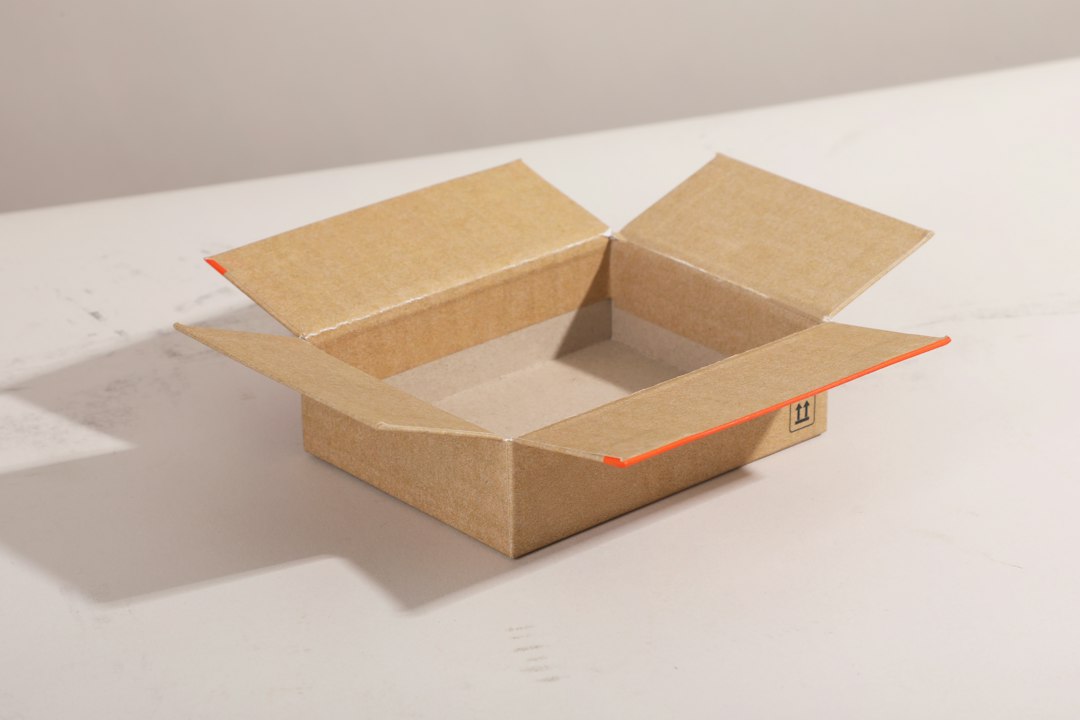
Businesses should establish a documented quality control process before products leave the warehouse. This includes inspecting inventory, testing fragile or electronic items, and monitoring defect rates by supplier, batch, and product category. Packaging should also be tested under realistic shipping conditions. If an item is fragile, heavy, liquid, or high-value, standard packaging may not be enough.
5. Wrong item shipped
Receiving the wrong item is a straightforward but damaging return reason. It may be caused by inaccurate inventory labeling, similar product names, poor warehouse organization, manual picking errors, or mismatched SKUs. From the customer’s perspective, this type of mistake reduces trust immediately because the purchase process feels unreliable.
To reduce wrong-item returns, companies should strengthen fulfillment accuracy. Barcode scanning, clear shelf labeling, automated order verification, and photographic checks for high-value items can significantly reduce mistakes. Product variants such as size, color, bundle type, and model number should be clearly differentiated in internal systems. Similar-looking products should not be stored in confusing ways that increase the chance of picking errors.
6. Late delivery or missed expectations
Some customers return products not because the product is flawed, but because it arrived too late. This is common with gifts, event-related purchases, seasonal products, and urgent replacement items. If delivery timing is unclear or overly optimistic, customers may feel misled, even when shipping delays are outside the seller’s direct control.
The best prevention is honest delivery communication. Display realistic delivery windows, update customers when delays occur, and avoid promising dates that cannot be consistently met. If fulfillment delays become frequent, review carrier performance, warehouse processing times, and inventory availability. A product that is shown as “in stock” should be ready to ship within the stated timeframe.
7. Product quality does not meet expectations
Quality-related returns are not always the same as defects. A product may function as intended but still feel cheap, weak, uncomfortable, noisy, or less durable than customers expected. This issue is often linked to a gap between marketing language and actual product performance.
To reduce these returns, align product positioning with reality. If an item is an entry-level or budget product, avoid presenting it as premium. Explain materials and durability honestly. Encourage authentic customer reviews because they help future buyers understand the product more accurately. Internally, return comments should be grouped and reviewed regularly. Repeated complaints about stitching, battery life, finish, odor, or comfort should trigger supplier discussions or product redesign.
8. Customer changed their mind
Buyer’s remorse is another common reason for returns. Customers may find a better price elsewhere, decide they do not need the item, or regret an impulse purchase. While it is impossible to eliminate this entirely, businesses can reduce unnecessary returns by helping customers make more deliberate decisions before checkout.
Clear comparison charts, honest product recommendations, and pre-purchase FAQs can reduce uncertainty. Avoid aggressive tactics that pressure customers into buying quickly without understanding the product. While urgency-based marketing can increase conversions, it may also increase returns if customers feel rushed. A better long-term strategy is to build confidence, not pressure.

9. Complicated assembly or unclear instructions
Products that require assembly, installation, setup, or configuration are often returned because customers cannot use them easily. This applies to furniture, electronics, appliances, software, fitness equipment, and children’s products. Even a good product can be returned if the setup experience is frustrating.
Provide clear instructions with diagrams, labeled parts, video tutorials, and troubleshooting support. If many customers contact support about the same step, the instruction manual needs improvement. For complex products, consider sending setup tips by email immediately after purchase. The goal is to reduce frustration before the customer decides that returning the product is easier than solving the issue.
How to use returns data effectively
Reducing returns requires disciplined tracking. A generic “other” return reason does not provide enough insight. Customers should be given specific but simple return reason options, along with an optional comment field. These reasons should then be analyzed by product, supplier, category, sales channel, warehouse, and time period.
Important metrics include:
- Return rate by product: identifies items that need page improvements, quality checks, or discontinuation.
- Return reason frequency: shows whether the main issue is description, sizing, damage, or fulfillment.
- Return cost: includes shipping, handling, restocking, refunds, and lost resale value.
- Exchange rate: indicates whether customers still want the product but need a different size, color, or variant.
- Supplier defect rate: helps identify vendors that require corrective action.
Practical steps to reduce product returns
A serious return reduction strategy should combine customer experience improvements with operational controls. The following actions are especially effective:
- Improve product pages with accurate descriptions, images, dimensions, specifications, and FAQs.
- Strengthen quality control before inventory is shipped to customers.
- Upgrade packaging for fragile, heavy, or high-risk products.
- Make sizing and compatibility clear using charts, guides, and examples.
- Monitor return reasons weekly and act on repeated patterns.
- Train customer service teams to identify preventable issues and share feedback internally.
- Communicate delivery expectations honestly and notify customers quickly about delays.
Returns will never disappear completely, and a fair return policy remains important for customer confidence. However, preventable returns should be treated as a business problem that can be measured and improved. Companies that invest in accurate information, reliable fulfillment, and product quality create a better buying experience while reducing avoidable costs. In the long run, the most effective return reduction strategy is simple: help customers receive exactly what they expected, when they expected it, in the condition they expected.