Voice assistant software with AI-powered voice commands is changing how we live and work. You talk. It listens. Then it does the task for you. Simple. From turning on lights to writing emails, these digital helpers are getting smarter every day.
TLDR: AI-powered voice assistants let you control devices and apps with simple voice commands. They use machine learning and natural language processing to understand what you say. These tools save time, boost productivity, and make tech easier to use. As they improve, they are becoming more natural, personal, and powerful.
What Is Voice Assistant Software?
Voice assistant software is a program that understands spoken commands. It responds with actions or answers. You speak in a normal voice. The software processes your words. Then it reacts almost instantly.
Popular examples include:
- Smartphone assistants
- Smart home devices
- In-car voice systems
- Customer service chatbots with voice
The magic behind them? Artificial intelligence (AI). More specifically, machine learning and natural language processing.
How AI-Powered Voice Commands Work
It may feel like magic. But it follows a clear process.
- Voice capture: The microphone records your speech.
- Speech recognition: The system converts speech to text.
- Natural language understanding: AI figures out what you mean.
- Action or response: The system performs a task or replies.
All of this happens in seconds. Sometimes faster than typing.
Modern systems also learn from you. They notice your habits. They improve responses over time. That’s the power of machine learning.
Why People Love Voice Assistants
Let’s be honest. Typing takes effort. Clicking through menus takes time. Voice is natural. Humans are built to speak.
Here’s why voice assistants are so popular:
- Hands-free control – Great for cooking, driving, or multitasking.
- Speed – Speaking is often faster than typing.
- Accessibility – Helpful for people with disabilities.
- Convenience – Control many devices at once.
Imagine saying, “Turn off the lights and play relaxing music.” Done. No switches. No apps. Just your voice.
Everyday Uses of AI Voice Assistants
Voice assistants are not just for fun. They are deeply practical.
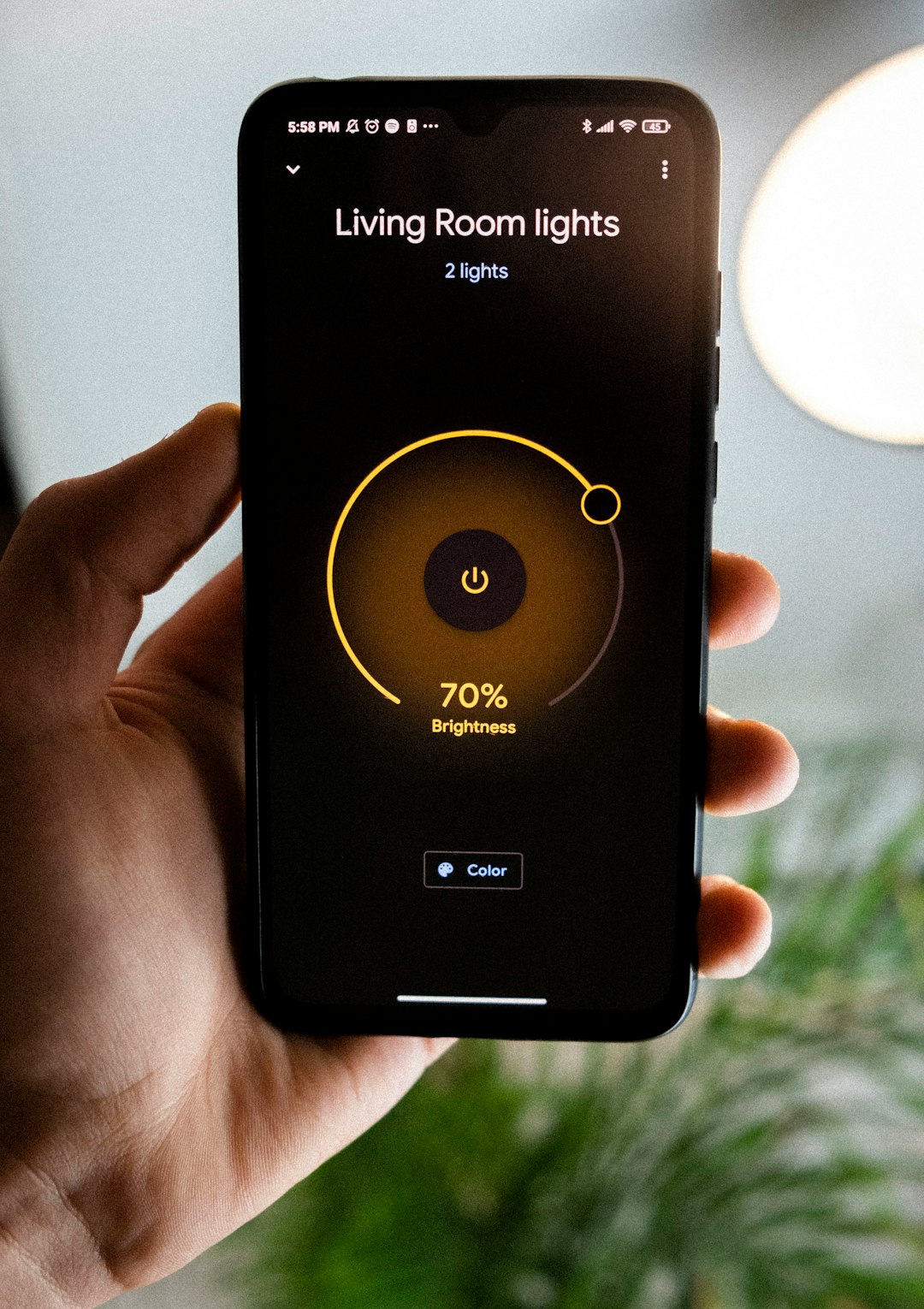
1. Smart Homes
You can control:
- Lights
- Thermostats
- Security cameras
- Door locks
All with simple commands. This creates comfort. It also saves energy.
2. Productivity at Work
Professionals use voice assistants to:
- Schedule meetings
- Set reminders
- Send messages
- Draft emails
Some tools even create meeting summaries automatically. That saves hours each week.
3. Customer Support
Many companies use AI voice bots in call centers. These systems:
- Answer common questions
- Route calls to the right department
- Provide order updates
It reduces wait times. Customers get help faster.
4. Healthcare
Doctors use voice tools to record notes. Patients use them to track medication. Some systems even monitor symptoms through speech patterns.
This makes healthcare more efficient and personal.
The Role of Natural Language Processing
Natural language processing, or NLP, is the brain behind the voice.
NLP helps software understand:
- Context
- Tone
- Intent
- Slang and variations
For example, “Turn the lights off” and “Can you switch off the lights?” mean the same thing. NLP knows that.
Good voice assistants also handle follow-up questions. If you ask, “What’s the weather today?” and then say, “How about tomorrow?” it understands the context.
That makes conversations feel natural. Almost human.

Personalization Makes It Smarter
AI voice assistants do not just listen. They learn.
They adapt to your:
- Accent
- Speech speed
- Common phrases
- Daily routines
Over time, responses improve. Recommendations become more accurate. The system may suggest leaving early because of traffic. Or remind you about a birthday without being asked.
This level of personalization builds trust. It also makes the experience smoother.
Voice Commerce Is Growing Fast
Shopping by voice is no longer futuristic. It’s happening now.
You can say:
- “Order more coffee.”
- “Track my package.”
- “Find me running shoes under $100.”
The assistant processes your request. Then it completes the purchase or shows options.
This is called voice commerce. It is growing every year. Businesses are optimizing their content for voice search. Why? Because people love quick answers.
Security and Privacy Concerns
Of course, voice technology raises questions.
Common concerns include:
- Are devices always listening?
- Where is the data stored?
- Who can access recordings?
Most systems use wake words. They only start recording after hearing a trigger phrase. Also, many companies offer settings to delete voice history.
Still, users should stay informed. Always check privacy settings. Understand what data is being collected.
As AI grows, strong security measures are essential.
Voice Assistants in Business
Companies are building custom voice assistants. Not just using public ones.
In offices, AI voice systems can:
- Pull sales reports
- Update CRM records
- Analyze performance data
- Manage inventory
Workers save time. They focus on strategy instead of repetitive tasks.
In warehouses, voice systems guide workers through picking and packing. This reduces errors. It improves speed.
Even in factories, voice AI supports machine control and safety checks.
Image not found in postmetaThe Future of AI-Powered Voice Commands
The future sounds exciting. And smart.
We can expect:
- More human-like conversations
- Emotion detection
- Multilingual fluency
- Deeper smart home integration
Emotion detection is especially interesting. Imagine your assistant noticing stress in your voice. It might suggest a break. Or play calming music.
Future assistants may also handle complex tasks. Not just simple commands. For example, planning an entire trip based on your preferences.
As hardware improves, response times will shrink even more. Edge computing will allow faster processing without sending all data to the cloud.
Challenges Ahead
Despite progress, challenges remain.
- Understanding heavy accents
- Handling background noise
- Avoiding accidental activation
- Balancing personalization with privacy
Developers are working hard to solve these issues. AI models are becoming more diverse. Training data is expanding. Systems are improving every year.
Tips for Getting the Most Out of Your Voice Assistant
Want better results? Try these tips:
- Speak clearly and naturally.
- Learn the assistant’s key commands.
- Customize settings for personalization.
- Review privacy controls regularly.
Also, explore integrations. Connect your assistant to calendars, smart devices, and apps. The more connected it is, the more useful it becomes.
Why Voice Is Here to Stay
Voice is the most natural user interface. Humans have spoken language for thousands of years. Screens and keyboards are recent inventions.
AI-powered voice assistants bridge the gap between humans and machines. They remove friction. They make technology feel less technical.
Instead of learning complicated systems, we simply talk.
As AI grows smarter, voice will become even more central. Homes will be more connected. Workflows will be smoother. Daily tasks will feel lighter.
In the end, voice assistant software with AI-powered voice commands is not just about convenience. It is about transforming how we interact with technology. It turns complex systems into simple conversations.
And that is powerful.
So next time you say, “Hey, can you help me with this?” remember. Behind that calm digital voice is advanced AI working in milliseconds. Listening. Learning. Responding.
The future is speaking. Are you listening?