In the rapidly evolving world of online communication, staying up to date with trending slang is key to understanding how digital communities interact. One phrase that has persisted since the late 2010s and has continued shaping youth and pop culture well into 2025 is “Cap / No Cap.” Often found on platforms like TikTok, Instagram, X (formerly Twitter), and even in everyday texting, this phrase has become a linguistic staple among Gen Z and Gen Alpha.
TL;DR
The slang terms “Cap” and “No Cap” are widely used across social media in 2025 to indicate whether someone is lying or telling the truth. Saying something is “cap” means it’s false or exaggerated, while “no cap” affirms honesty or authenticity. Originating in African American Vernacular English (AAVE), these phrases have now permeated mainstream culture globally. They are most commonly used for emphasis in casual conversation, digital storytelling, and expressive communication online.
What Does “Cap” Mean?
In digital slang, “cap” means a lie, exaggeration, or falsehood. If someone is “capping,” they’re not telling the truth. The phrase is often used to call out implausible or obviously exaggerated statements. While it may seem cryptic to outsiders, this simple word has grown to encompass a wide range of meanings and uses.
For example:
- “He said he could bench 400 pounds, but that’s cap.”
- “No way she finished that project in two hours. Cap.”
In both cases, “cap” signals disbelief or sarcasm. It may be synonymous with “nah,” “lie,” or “nonsense,” depending on the context.
What Does “No Cap” Mean?
On the flip side, “no cap” is effectively a way to stress that you’re being genuine, sincere, or dead serious. It’s a digital equivalent of saying, “I’m not joking” or “for real.” This makes it one of the most used emphatic expressions in texting, vlogs, memes, and livestream comments in 2025.
Here are a few examples:
- “That movie had me crying, no cap.”
- “The new album is fire, no cap.”
In these examples, “no cap” reinforces the emotional honesty of the statement. It’s more than just a filler; it adds credibility and personal weight.
Where Did “Cap / No Cap” Come From?
This phrasing didn’t originate on TikTok or Snapchat—it finds its linguistic roots in AAVE (African American Vernacular English). The usage of “cap” as a synonym for “lie” dates back to Southern hip-hop communities in the mid to late 1990s. One of the earliest recorded usages comes from the 2017 track “No Cap” by Future and Young Thug, which helped catapult the phrase into national attention.
From there, TikTokers and influencers adopted it into quick emails, DMs, and captions, giving it a second life in the 2020s. In 2025, it is still going strong, particularly among social media personalities under age 30.
Why Is “No Cap / Cap” Still Popular in 2025?
The enduring popularity of “cap / no cap” is due to several interconnected cultural, psychological, and technological factors:
- Conciseness: One-syllable words work well in fast-paced, text-based communication.
- Cultural Relevance: The expression continues to appear in viral content, music lyrics, and trend challenges.
- Group Identity: It serves as a linguistic “in-group” marker for Gen Z and Gen Alpha, spreading through TikTok trends, livestream chats, and gaming platforms like Roblox and Fortnite.
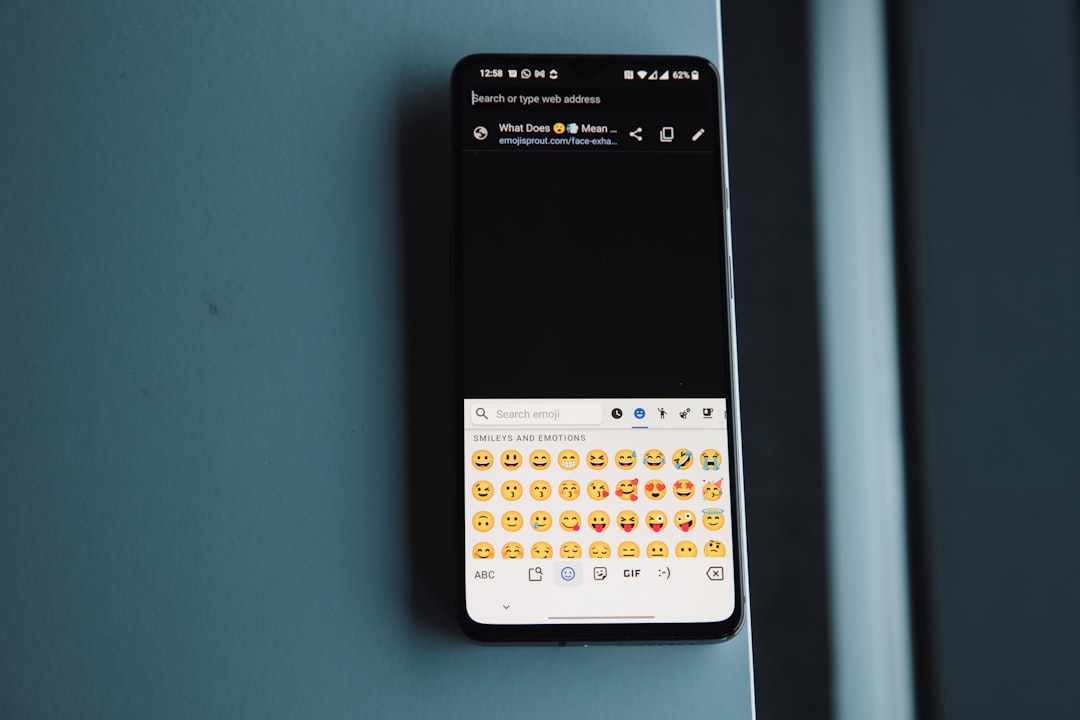
- Memetic Value: It’s easy to use in meme culture, usually paired with expressive emojis like the cap 🧢.
In short, saying “no cap” helps users convey sincerity while keeping their statements stylized and culturally in tune.
How Is “Cap” Used in Social Media Posts?
As of 2025, here are a few nuanced ways “cap” and “no cap” are used across platforms:
1. As a Comment Reaction
When someone posts an unbelievable story, other users may simply comment “cap” to express doubt or call it out as obviously fake news. Example:
“Just met Doja Cat at the gym.”
Comments: “Big cap.”, “🧢🧢🧢”
2. To Express Authenticity
Creators include “no cap” in descriptions or hashtags to suggest they’re being real with their audience.
- Title: “My 2AM skincare routine #nolie #nocap”
- Caption: “This diet plan actually worked. No cap.”
3. As a Meme Format
In meme culture, text setups using “cap / no cap” continue to thrive, especially in image-and-caption formats invoking ironic truths.
Example:
Image: Picture of chaotic group project
Text: “Everyone says they’ll help. Cap.”
The 🧢 Emoji: The Visual Evolution
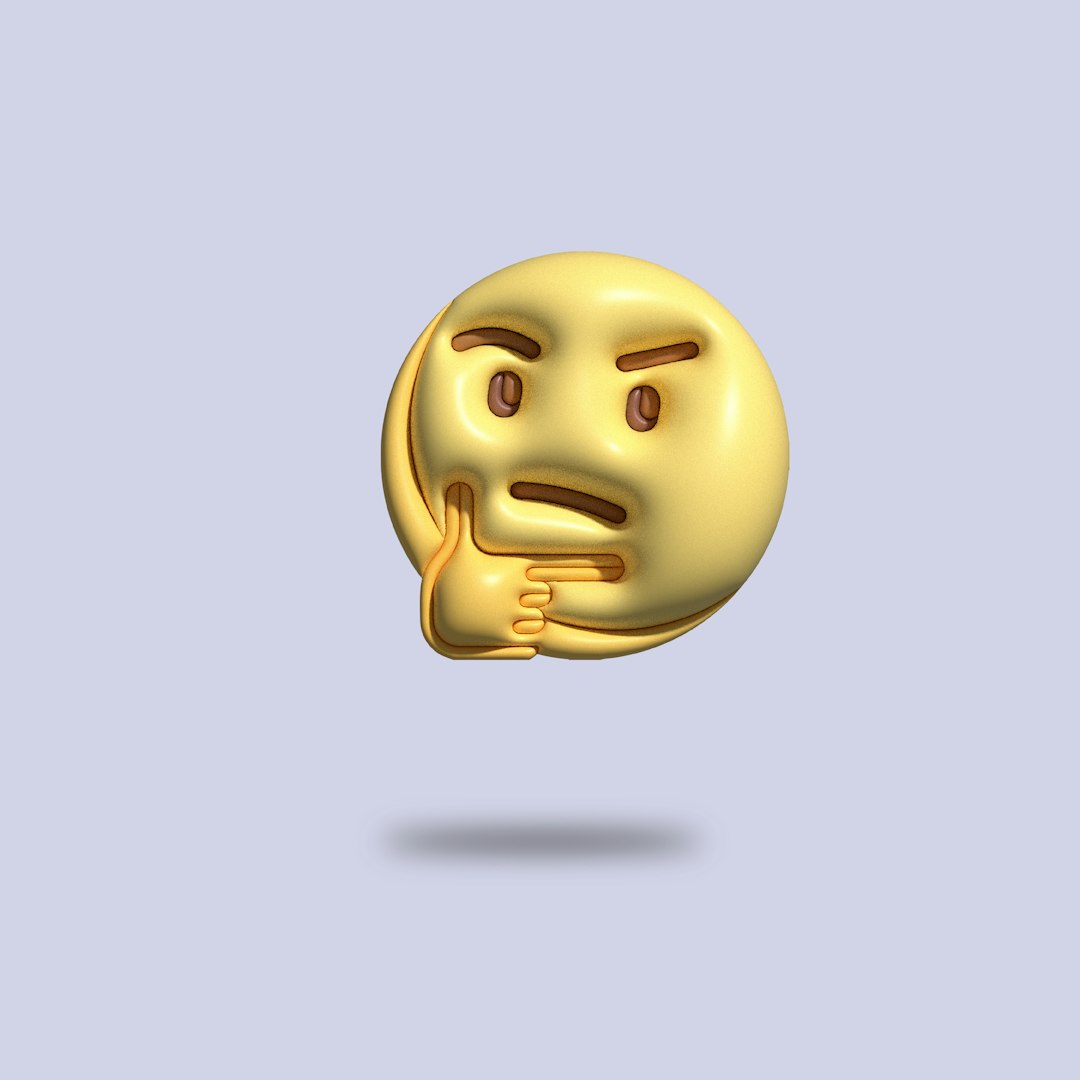
A key visual element tied to this slang is the blue baseball cap emoji 🧢. On platforms like TikTok and X, users will spam multiple cap emojis to symbolize disbelief or sarcasm under a post. This digital shorthand saves space and increases engagement.
Example:
Tweet: “I only need 3 hours of sleep to function.”
Reply: “🧢”
The emoji gives the term “cap” a distinctive identity online, effectively turning it into a symbolic language of its own. In some cases, users even say “capper” (noun form) to refer to someone who regularly lies or exaggerates.
Is It Ever Used Incorrectly?
Due to cultural diffusion and generational gaps, misuse does happen. People unfamiliar with the term’s roots sometimes mistakenly use “cap” to mean “cool” or “important”—which is incorrect. Because the phrase originates in tightly-knit online and cultural communities, using it haphazardly can create confusion or unintentionally undermine authenticity.
When unsure how to use “cap / no cap,” it’s recommended to observe real usage examples in current posts or livestreams before jumping in. Checking platforms like Urban Dictionary, Reddit, or language-focused subreddits can also help clarify meanings and contexts.
Is “No Cap” Still Trendy—or Just Habitual?
By 2025, the term “no cap” has settled into an interesting linguistic space. It may no longer be the hottest new trend, but it has matured into a standard statement of honesty in digital communication. It’s no longer just trendy slang—it’s part of regular youth vocabulary.
In that sense, “no cap” parallels phrases like “for real,” “no lie,” or “I swear,” which have persisted across generations. While its usage may evolve—such as appearing in more elaborate memes or AI-generated content—it’s likely to remain relevant through at least the next few years.
Conclusion: Understanding Language In Context
As online communication becomes more visual, fast-paced, and platform-specific, terms like “cap” and “no cap” are linguistic tools that help users express authenticity, doubt, or disbelief in just a few characters. They’re not only cultural signals but also practical expressions that make digital interaction richer and more nuanced.
Crucially, understanding their roots—particularly in African American linguistic traditions—and using them respectfully helps preserve their meaning while allowing for healthy language evolution.
So, is “no cap” still in? No question. No cap.