Smart lighting has evolved far beyond simple on-and-off functionality. Today’s systems allow homeowners to create immersive scenes, automate daily routines, and fine-tune ambiance with impressive precision. Whether you want your lights to energize you in the morning, set a cinematic tone at night, or automatically adapt to your lifestyle, the right tools make all the difference. With intelligent lighting platforms becoming more accessible and customizable, it’s easier than ever to design lighting that works beautifully in the background of everyday life.
TLDR: Smart lighting tools now offer powerful ways to create custom scenes and automation for comfort, efficiency, and style. Platforms like smart hubs, adaptive lighting software, motion-based controllers, and voice-integrated assistants make it simple to tailor lighting to your routine. These tools enhance convenience while reducing energy waste and increasing home ambiance. Choosing the right combination depends on how much customization and integration you want.
Below are four smart lighting tools that stand out for custom scenes and advanced automation, along with insights on how to make the most of each.
1. Smart Lighting Hubs for Centralized Control
At the heart of many advanced lighting setups is a dedicated smart hub. While individual smart bulbs can function independently through Wi-Fi or Bluetooth, a hub unlocks deeper automation and more complex scene building.
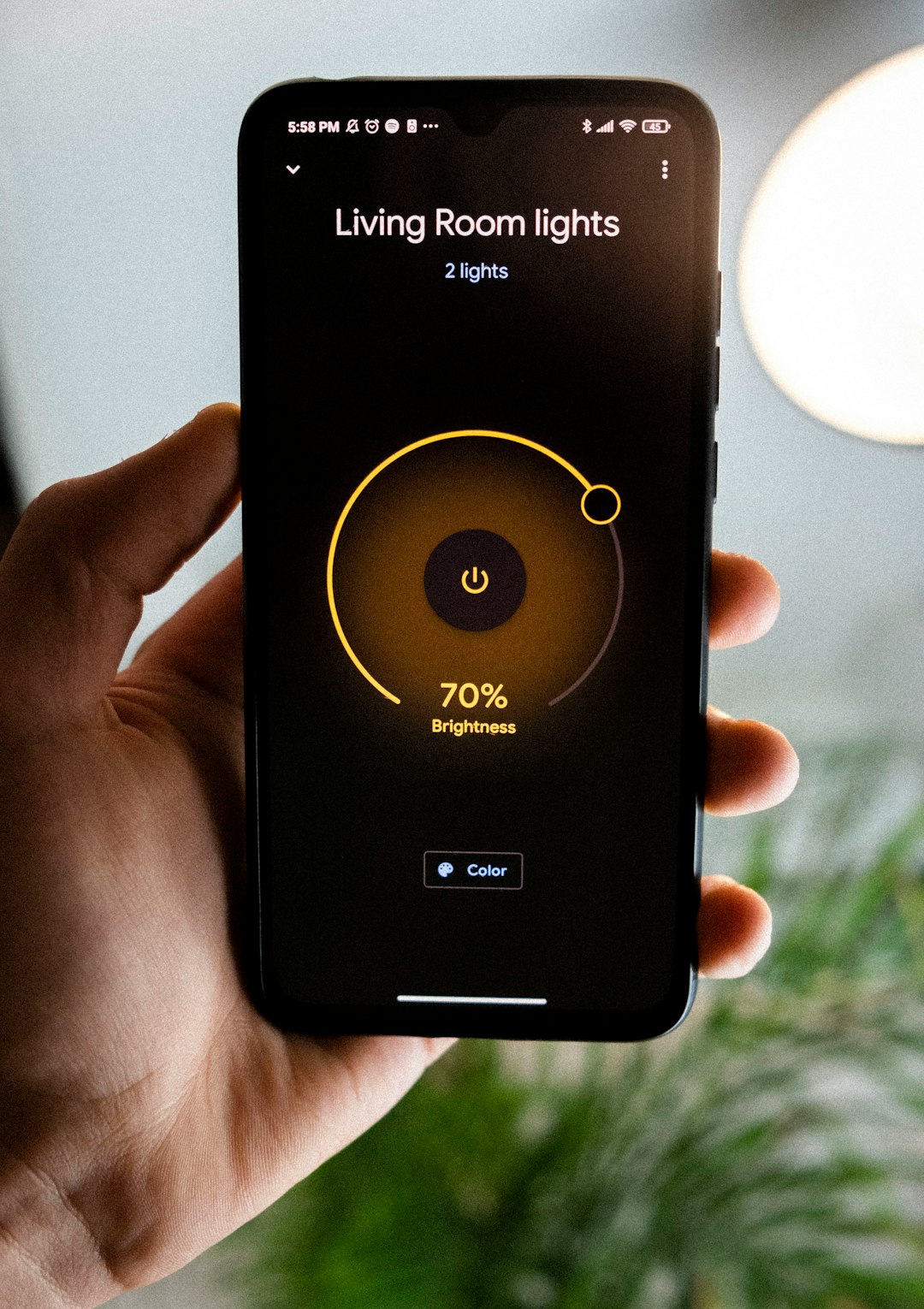
A lighting hub acts as a central command center, connecting bulbs, light strips, switches, sensors, and sometimes even third-party devices. Instead of managing each component separately, you control and coordinate everything through one platform.
Why Hubs Are Powerful
- Complex scene layering: Adjust brightness, color temperature, and color across multiple rooms simultaneously.
- Conditional automation: Program lights to respond differently based on time of day, occupancy, or external conditions.
- Reliable connectivity: Many hubs use dedicated wireless protocols that reduce lag and improve responsiveness.
- Scalability: Easily expand from one room to an entire property.
For example, you might create a “Good Morning” scene that gradually increases brightness in the bedroom, turns on warm kitchen lighting, and triggers hallway lights at 30% brightness—all within a 10-minute window.
Hubs are ideal for users who want fine control and future-proof flexibility. If you anticipate adding smart blinds, thermostats, or security systems later, starting with a strong lighting hub creates a solid foundation.
2. Adaptive Lighting Software for Circadian Rhythm Support
One of the most innovative developments in smart lighting is adaptive lighting software that automatically adjusts brightness and color temperature throughout the day.
Rather than manually switching between cool white in the morning and warm tones at night, adaptive systems gradually shift lighting to mirror natural daylight patterns. This supports circadian rhythms and can improve both mood and sleep quality.
How Adaptive Lighting Works
- Uses time-of-day tracking to modify color temperature.
- Transitions from cool, energizing tones in the morning to warm, relaxing tones in the evening.
- Can integrate with sunrise and sunset data based on your location.
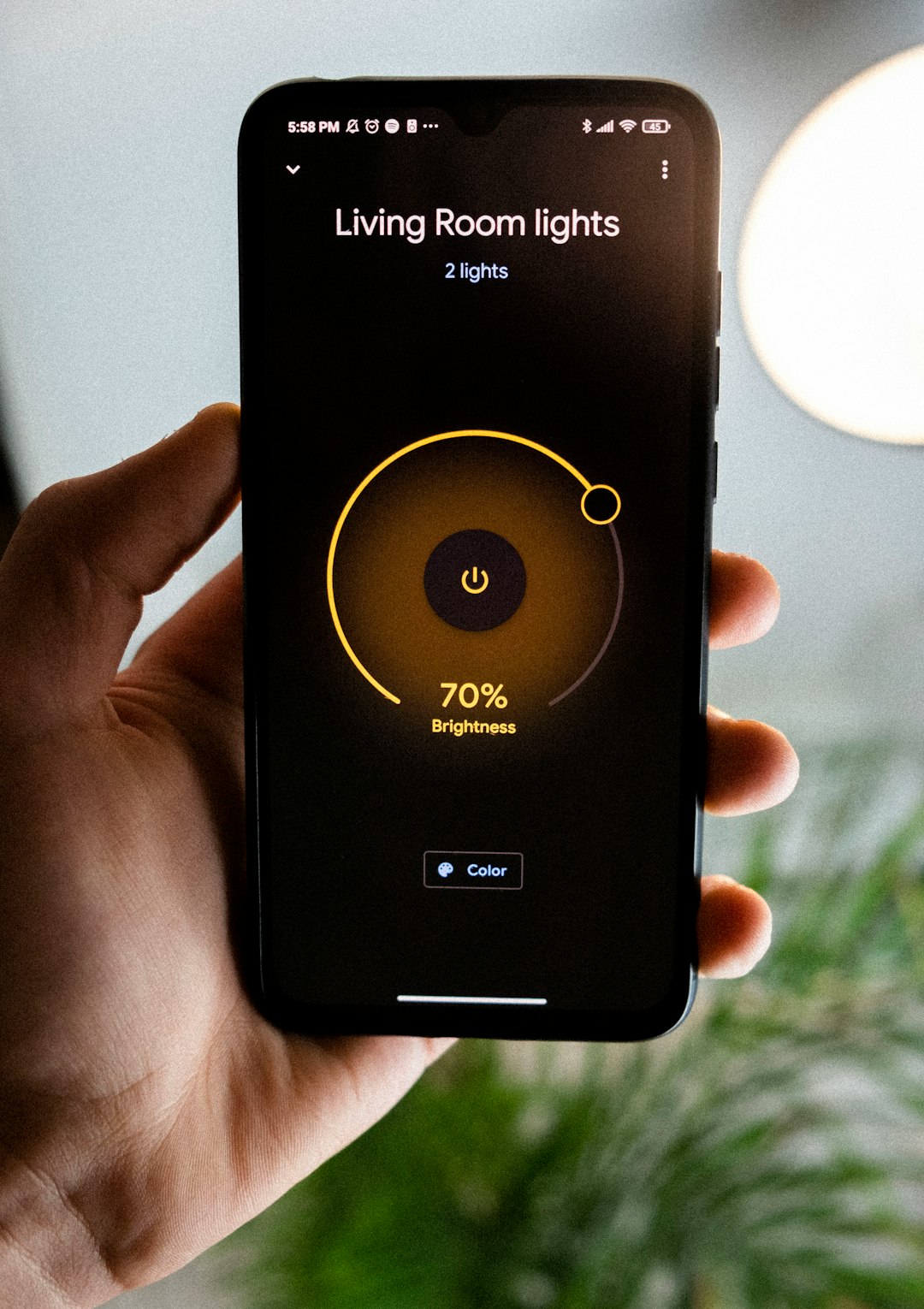
For example:
- 7:00 AM: Bright, cool white light to stimulate alertness.
- 12:00 PM: Crisp neutral lighting for productivity.
- 7:00 PM: Soft warm tones to encourage relaxation.
- 10:00 PM: Dim amber hues to prepare for sleep.
This kind of automation requires minimal input once configured. The system continuously adapts, working invisibly in the background. Many advanced platforms also allow manual overrides, so you can temporarily shift the ambiance for reading, working, or entertaining.
Adaptive lighting tools are especially valuable in home offices, bedrooms, and living spaces where biological comfort matters as much as style.
3. Motion and Presence Sensors for Intelligent Automation
Lighting automation becomes significantly more intelligent when paired with motion and presence sensors. Instead of relying solely on schedules, your lighting reacts dynamically to real-world activity.
Basic motion sensors turn lights on when movement is detected and off after a set time. More advanced presence sensors detect subtle movements and occupancy patterns, allowing lights to stay on if someone is in the room—even if they’re sitting still.
Where Sensors Make the Biggest Impact
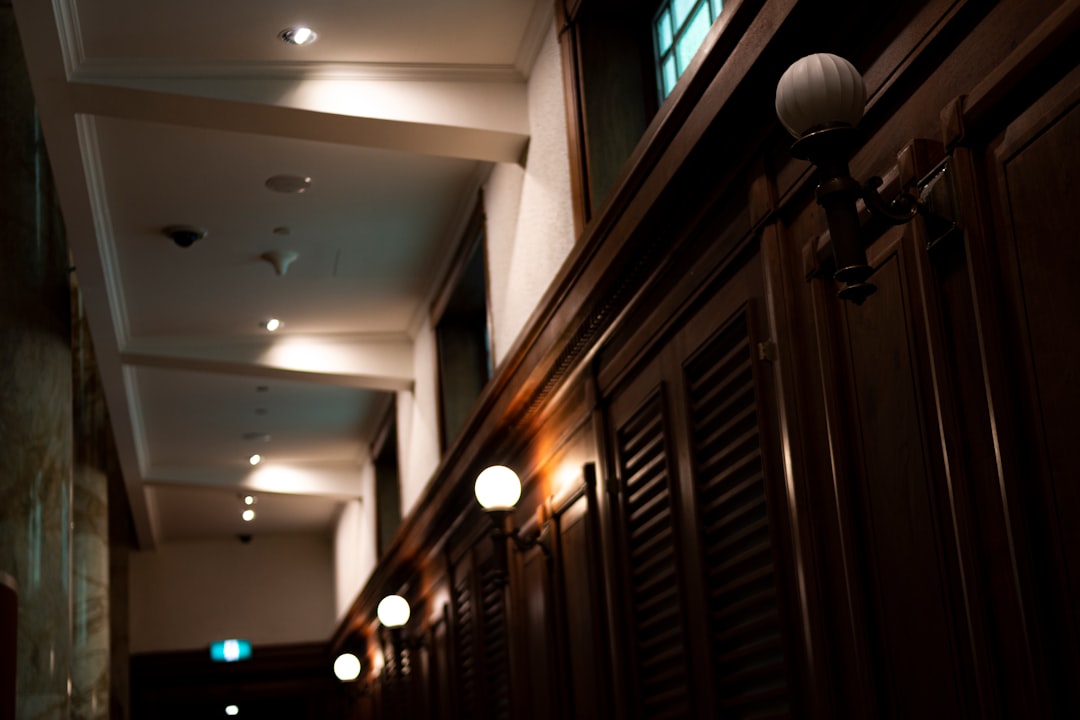
- Hallways: Gentle night lighting at reduced brightness to prevent glare.
- Bathrooms: Automatic low lighting during overnight hours.
- Closets: Instant-on illumination without flipping switches.
- Garages: Bright task lighting when activity is detected.
Sensor-driven scenes can also vary by time. For instance:
- During the day, motion triggers lights at 100% brightness.
- After 11 PM, the same motion activates lights at just 20% intensity.
This layered automation enhances both energy efficiency and user experience. You save electricity because lights aren’t left on unnecessarily, and household members enjoy seamless transitions between spaces.
Some systems even use geo-fencing, detecting when you arrive home and activating entryway lights automatically. This makes automation feel less mechanical and more intuitive.
4. Voice and App-Based Scene Designers
While automation is powerful, customization remains essential. Modern smart lighting apps offer scene builders that allow you to create detailed lighting presets tailored to activities, moods, and events.
Instead of adjusting individual lights repeatedly, you can assign settings to scenes such as:
- Movie Night: Dimmed living room lights at 10%, accent lighting in blue or purple.
- Dinner Party: Warm overhead glow with subtle wall washes.
- Focus Mode: Bright neutral white lighting across key work areas.
- Romantic Evening: Soft amber tones with indirect lighting emphasis.
Voice assistants integrate seamlessly with these scenes. A single command like “Start Movie Night” can instantly transform your environment.
Advanced Scene Customization Features
- Multi-room synchronization
- Color cycling effects
- Brightness fading transitions
- Integration with music or entertainment systems
Some platforms even allow automation stacking. For example:
- Voice command triggers the scene.
- Blinds close automatically.
- Lights fade over 15 seconds.
- Entertainment system powers on.
This layered experience transforms lighting from a basic utility into an immersive design element.
Tips for Building the Perfect Smart Lighting Setup
When combining these tools, thoughtful planning yields the best results. Here are a few strategic considerations:
- Start small: Focus on one or two rooms before expanding.
- Prioritize daily routines: Automate wake-up and bedtime first.
- Mix manual and automated control: Maintain flexibility.
- Consider bulb placement: Layer ambient, task, and accent lighting.
- Review energy impact: Monitor usage through system analytics.
A layered approach works best. For instance, you might use:
- A smart hub as the backbone.
- Adaptive lighting for daily balance.
- Sensors for convenience.
- Scene designers for personalization.
Together, these tools create a cohesive ecosystem instead of a collection of disconnected gadgets.
The Future of Smart Lighting Automation
The next wave of smart lighting is becoming even more context-aware. Emerging systems incorporate machine learning to observe your habits and suggest automation improvements. Over time, lighting systems may predict your preferences before you manually adjust anything.
Integration with broader smart home ecosystems continues to expand. Imagine lighting that responds not only to motion or time but to:
- Your calendar events
- Weather conditions
- Your sleep tracking data
- Security system status
As artificial intelligence advances, personalization will become more precise and less reliant on manual setup.
Conclusion
Smart lighting is no longer just about convenience—it’s about creating responsive environments that enhance comfort, health, productivity, and atmosphere. With the right combination of hubs, adaptive software, motion sensors, and voice-enabled scene designers, you can build a lighting system that feels intuitive and effortless.
Whether you’re aiming for subtle daily enhancements or dramatic cinematic transformations, these tools empower you to move beyond static bulbs and embrace intelligent illumination. By investing in thoughtful automation and custom scenes, you’re not just upgrading your lighting—you’re redefining how your home feels and functions every day.