Online scheduling has become a critical part of modern business operations. From freelancers and consultants to enterprise sales teams, professionals rely on booking automation tools to eliminate back-and-forth emails and streamline client interactions. While Calendly is one of the most recognized names in the space, it is far from the only solution available. Many businesses seek alternatives that better match their pricing needs, feature requirements, branding preferences, or integration ecosystems.
TLDR: Calendly is a leading scheduling tool, but it is not the only powerful option on the market. Alternatives like Acuity Scheduling, Doodle, Setmore, YouCanBook.me, HubSpot Meetings, SimplyBook.me, and Microsoft Bookings offer competitive features tailored to different business needs. Some focus on enterprise-level integrations, while others specialize in small business automation or service-based bookings. Choosing the right tool depends on budget, scalability, and workflow requirements.
Why Consider a Calendly Alternative?
Although Calendly offers a clean interface and strong integrations, users often look for alternatives due to:
- Pricing tiers that better suit startups or large teams
- Customization options for branding and workflows
- Advanced payment processing features
- HIPAA compliance or industry-specific requirements
- CRM and automation integrations

Below are seven powerful Calendly competitors worth considering.
1. Acuity Scheduling
Acuity Scheduling, owned by Squarespace, is a feature-rich booking tool designed especially for service businesses such as coaches, consultants, and wellness professionals.
Key Features:
- Custom intake forms
- Automated reminders and follow-ups
- Payment processing with Stripe, Square, and PayPal
- Time zone detection
- Client self-service rescheduling
Acuity stands out for its robust customization and ability to handle complex booking scenarios, including memberships, packages, and subscriptions. Unlike Calendly’s more streamlined approach, Acuity caters to businesses needing in-depth client management.
Best for: Service-based businesses and solopreneurs who require advanced client workflows.
2. Doodle
Doodle is known for its group polling capabilities, making it ideal for coordinating meetings with multiple participants.
Key Features:
- Group scheduling polls
- 1:1 meeting booking
- Calendar integrations
- Automated reminders
Doodle simplifies the process of finding mutually available meeting times, particularly when scheduling with large teams or external partners. While it may lack some of the deeper automation features of Calendly, its simplicity and polling capabilities make it highly effective for team coordination.
Best for: Teams coordinating meetings across multiple stakeholders.
3. Setmore
Setmore offers an affordable and user-friendly scheduling platform suitable for small businesses.
Key Features:
- Free plan with core scheduling tools
- Payment integrations
- Video meeting support
- Custom booking pages
- SMS reminders
Setmore’s generous free plan gives it an advantage for startups or freelancers just getting started. It also integrates with popular tools such as Zoom, Stripe, and Google Calendar.
Best for: Budget-conscious businesses seeking an easy-to-use solution.
4. YouCanBook.me
YouCanBook.me focuses heavily on personalization and calendar integration.
Key Features:
- Deep Google and Microsoft calendar integration
- Workflow automation
- Custom notifications
- Flexible booking rules
One of its strengths lies in its adaptability. Businesses can create highly customized booking experiences that align with brand identity. It also offers detailed control over scheduling rules and availability.
Best for: Professionals who want strong calendar integration and workflow customization.

5. HubSpot Meetings
HubSpot Meetings is part of HubSpot’s CRM ecosystem, offering seamless meeting scheduling tied directly to customer records.
Key Features:
- CRM integration
- Automated email follow-ups
- Round-robin scheduling
- Team meeting coordination
Unlike standalone tools, HubSpot Meetings is deeply integrated into sales and marketing pipelines. This makes it ideal for sales teams that rely on CRM automation.
Best for: Sales-driven organizations already using HubSpot.
6. SimplyBook.me
SimplyBook.me is designed specifically for appointment-based businesses such as salons, medical clinics, and fitness centers.
Key Features:
- Extensive customization options
- Membership and package support
- Point-of-sale integration
- HIPAA compliance (available)
Its industry-specific features distinguish it from Calendly’s more general-purpose design. Businesses that require compliance and operational extras often prefer SimplyBook.me.
Best for: Appointment-heavy businesses needing industry-specific tools.
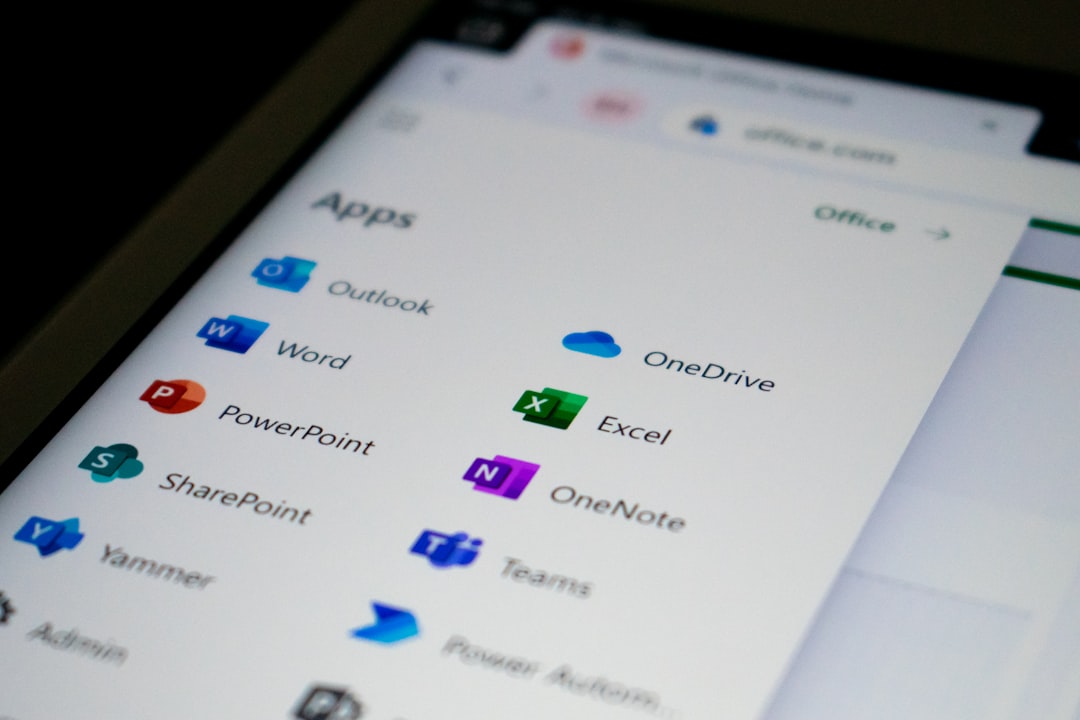
7. Microsoft Bookings
Microsoft Bookings is included in many Microsoft 365 business plans, providing tight integration within the Microsoft ecosystem.
Key Features:
- Outlook integration
- Automated confirmations
- Shared team booking pages
- Mobile app support
Businesses already invested in Microsoft products benefit from seamless Outlook synchronization and Teams integration, making Bookings an efficient internal scheduling tool.
Best for: Companies using Microsoft 365 extensively.
Comparison Chart
| Tool | Best For | Free Plan | Payment Integration | CRM Integration | Customization Level |
|---|---|---|---|---|---|
| Acuity Scheduling | Service businesses | No | Yes | Limited | High |
| Doodle | Group meetings | Yes | No | No | Low |
| Setmore | Small businesses | Yes | Yes | Limited | Medium |
| YouCanBook.me | Calendar power users | Yes | Limited | No | High |
| HubSpot Meetings | Sales teams | Yes | No | Yes | Medium |
| SimplyBook.me | Appointment businesses | Yes | Yes | Limited | Very High |
| Microsoft Bookings | Microsoft users | Included in M365 | No | Limited | Medium |
How to Choose the Right Scheduling Tool
Selecting the right scheduling software depends on several key considerations:
- Team Size: Larger organizations may benefit from round-robin and pooled availability features.
- Industry Requirements: Healthcare and finance industries may require compliance features.
- Payment Handling: Service providers should prioritize integrated payment processing.
- Branding Needs: Custom booking pages improve customer trust.
- Integration Ecosystem: Ensure compatibility with CRM, email, and video conferencing tools.
Businesses should evaluate both current needs and future growth plans. A tool that works for a solo freelancer today may not scale efficiently for a growing team.
FAQ
1. Why do businesses look for Calendly alternatives?
Organizations often seek alternatives due to pricing, deeper customization options, CRM requirements, or industry-specific compliance needs.
2. Which Calendly competitor is best for small businesses?
Setmore is a strong choice for small businesses due to its free plan and essential scheduling features.
3. What is the best option for sales teams?
HubSpot Meetings is ideal for sales teams because it integrates directly with a CRM and supports pipeline automation.
4. Are there free alternatives to Calendly?
Yes. Doodle, Setmore, YouCanBook.me, HubSpot Meetings (limited), and SimplyBook.me all offer free plans with varying feature sets.
5. Which tool is best for appointment-based businesses like salons or clinics?
SimplyBook.me is particularly well-suited for service businesses that require robust booking management and optional compliance features.
6. Can these tools integrate with Zoom or Microsoft Teams?
Most modern scheduling tools integrate with popular video conferencing platforms, though the level of integration varies by provider.
7. Is Microsoft Bookings a good replacement for Calendly?
For organizations already using Microsoft 365, Microsoft Bookings can serve as a convenient and cost-effective alternative.
While Calendly remains one of the most popular scheduling solutions, it is far from the only capable option. Each competitor brings its own strengths, whether in customization, CRM integration, industry specialization, or pricing flexibility. By carefully evaluating operational needs and long-term growth plans, businesses can select a scheduling platform that enhances productivity, improves customer experience, and supports scalable success.