Searches for “free PayPal codes” often lead to a confusing mix of real promotions, reward programs, misleading generators, and outright scams. The phrase sounds simple, but in practice it can refer to PayPal cashback offers, gift card rewards, referral bonuses, survey payouts, or fake “code generator” websites designed to steal your data. Understanding the difference is essential before you enter your email, phone number, PayPal login, or payment details anywhere.
TLDR: Legitimate free PayPal offers usually come from recognizable companies, reward platforms, banks, retailers, or PayPal itself, and they never require your PayPal password. Scam offers often promise instant large payouts, such as “$500 PayPal code in 60 seconds,” then ask you to complete endless tasks or verify your account through a fake login page. For example, a user who spends 20 minutes on a real survey app may earn $1 to $5, while a site promising $100 with no effort is a major warning sign. Treat any offer with urgency, secrecy, or guaranteed high rewards as high risk.
What Are “Free PayPal Codes” Supposed to Be?
The term free PayPal code is not an official PayPal product category. In most cases, people use it to describe one of several things:
- PayPal gift card rewards earned through survey sites, cashback apps, or promotions.
- Promo codes or discount offers that can be used at checkout with PayPal.
- Referral bonuses paid to a PayPal account after inviting a friend to a service.
- Cashback payouts sent to PayPal after shopping through a rewards platform.
- Fake generated codes that claim to add money to your account.
The last category is where most danger begins. PayPal does not operate a public “code generator” that creates free balances. Any website claiming it can produce unlimited PayPal money by entering your username, email, or account details should be treated as suspicious.
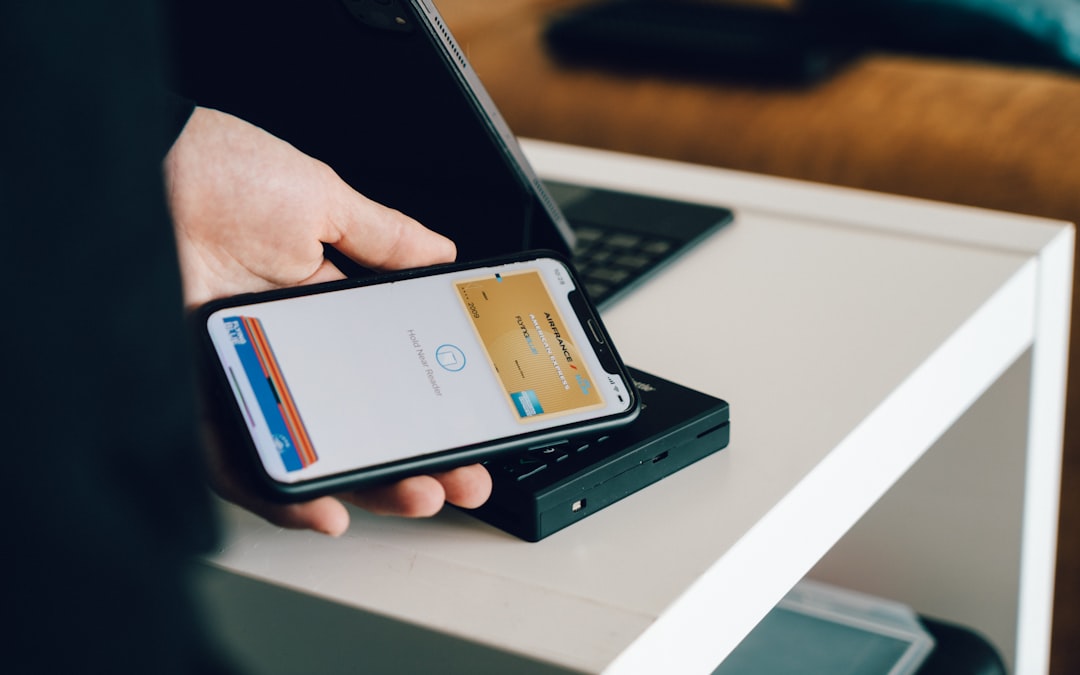
Legit Offers: What They Usually Look Like
Real PayPal-related rewards tend to be modest, transparent, and tied to a clear action. For example, a cashback website may pay you 3% back on a qualifying purchase, or a survey platform may allow you to cash out $10 to your PayPal account after you complete enough verified tasks.
Legitimate offers typically have the following characteristics:
- Clear company identity: You can identify who is running the offer, where they are located, and how to contact support.
- Published terms: The offer explains eligibility, payout limits, deadlines, and what actions are required.
- Reasonable rewards: The payout matches the effort. Small bonuses are common; huge instant rewards are not.
- No request for your PayPal password: A legitimate service may ask for your PayPal email to send a payment, but it should never ask for your login password.
- Track record: You can find independent reviews, app store ratings, or credible mentions from users over time.
A trustworthy promotion also gives you time to read the details. Pressure tactics such as “claim in the next 2 minutes or lose your reward” are more typical of scam funnels than legitimate financial offers.
Common Scam Patterns to Watch For
Scammers rely on the appeal of free money. They know that the words “PayPal” and “instant code” can convince people to act quickly before thinking carefully. The most common scams include:
- Fake PayPal code generators: These websites display fake progress bars and pretend to connect to PayPal servers. At the end, they usually demand “human verification,” app downloads, surveys, or payment information.
- Phishing pages: A site may copy PayPal’s branding and ask you to log in. The goal is to steal your username, password, and possibly your two-factor authentication code.
- Advance-fee scams: You are told that a code or payment is waiting, but you must first pay a small “activation,” “processing,” or “release” fee.
- Malware downloads: Some offers ask you to install software or browser extensions to unlock your reward. These can capture data, inject ads, or compromise your device.
- Social media impersonation: Fake accounts may pose as influencers, brands, or PayPal support and offer free cash in exchange for personal information.
How to Verify an Offer Before You Trust It
Before participating in any PayPal reward offer, take a few minutes to verify it. A careful check can prevent account theft, identity fraud, and wasted time.
- Check the URL carefully. PayPal’s official website uses paypal.com. Misspellings, extra words, unusual domains, or lookalike addresses are red flags.
- Search for independent reviews. Look beyond testimonials shown on the offer page. Search the company name with words like “complaints,” “payout proof,” or “scam.”
- Read the terms and privacy policy. If the site does not explain who collects your data and how it is used, avoid it.
- Do not share sensitive information. Your PayPal password, bank login, Social Security number, or one-time security code should never be required for a simple reward.
- Use PayPal’s official app or website. If you receive a message about a payment or issue, log in directly through PayPal instead of clicking links in emails or texts.
It is also wise to use a separate email address for reward programs. This helps limit spam and makes it easier to spot suspicious messages that claim to be connected to your main PayPal account.
Realistic Expectations: How Much Can You Actually Earn?
Legitimate PayPal reward opportunities are rarely life-changing. They are better understood as small bonuses or cashback rather than income. A typical user might earn a few dollars per week from surveys, $5 to $25 from a referral campaign, or a percentage of purchases through cashback programs.
If an offer promises $100, $500, or $1,000 instantly with no purchase, no skill, no eligibility rules, and no clear sponsor, it is almost certainly not legitimate. Real businesses do not distribute large amounts of money anonymously without a reason. They use rewards to encourage shopping, app installs, referrals, or market research, and those campaigns have budgets, rules, and limits.
What to Do If You Already Entered Your Information
If you interacted with a suspicious PayPal code website, act quickly. The right response depends on what you shared:
- If you entered your PayPal password: Change it immediately through the official PayPal website or app.
- If you reused that password elsewhere: Change it on those accounts too.
- If you shared a one-time security code: Review your PayPal activity and contact PayPal support if anything looks unusual.
- If you downloaded software: Disconnect from sensitive accounts, uninstall the program, and run a reputable security scan.
- If you paid a fee: Contact your bank, card issuer, or PayPal to report the transaction and ask about dispute options.
Enable two-factor authentication on your PayPal account if you have not already. It adds an extra barrier even if someone obtains your password. Also review linked bank accounts, cards, shipping addresses, and recent transactions for changes you do not recognize.
Final Verdict: Legitimate Rewards Exist, But “Free Codes” Are Often Bait
There are genuine ways to receive PayPal payouts, including cashback programs, research panels, referral campaigns, and merchant promotions. However, the phrase “free PayPal codes” is heavily used by scammers because it suggests instant money with little effort. That combination should make you cautious.
The safest approach is simple: trust offers that are transparent, modest, and verifiable, and avoid anything that asks for your password, demands a fee, or promises unrealistic rewards. If you treat PayPal money like real money, because it is, you will be much less likely to fall for fake generators, phishing pages, and social media traps. In the world of online rewards, skepticism is not negativity; it is basic financial safety.