Payments used to be treated as a utility: a final step that happened after the real customer experience was complete. That view is now outdated. For many businesses, the payment moment is where trust is either reinforced or questioned, where customers decide whether a brand feels professional, secure, and easy to buy from. A branded payment experience brings the checkout, invoice, subscription flow, receipt, and post-payment communication into alignment with the company’s identity, values, and service standards.
TLDR: Branded payment experiences help businesses reduce friction, increase trust, and improve conversion by making payment flows feel consistent, secure, and familiar. For example, an online retailer that replaces a generic checkout page with a branded, mobile-optimized checkout could reduce cart abandonment by several percentage points, especially on repeat purchases. In subscription businesses, clear branded billing pages and recognizable payment descriptors can also reduce failed-payment confusion and support requests by 10% to 20%. The best results come from combining consistent design, transparent messaging, strong security, and localized payment options.
Why Branded Payments Matter
A customer’s confidence can fall quickly if the payment step looks disconnected from the rest of the journey. A polished product page followed by a generic, unfamiliar, or poorly designed checkout can raise doubt. Customers may wonder whether they have been redirected to the right place, whether their information is safe, or whether the purchase will be handled correctly.
In practical terms, branded payments serve three core purposes:
- Trust: Familiar branding reassures customers that they are still interacting with the same business.
- Clarity: Clear labels, payment descriptions, and confirmation messages reduce confusion.
- Conversion: A smooth, consistent payment process lowers friction and supports completion.
This is especially important in sectors such as ecommerce, SaaS, healthcare, education, financial services, and hospitality, where payments may involve sensitive information, recurring billing, deposits, or high-value transactions.
Image not found in postmetaKey Trends in Branded Payment Experiences
1. Checkout as a Brand Touchpoint
Businesses are increasingly treating checkout as part of the customer experience, not merely a technical function. This means using brand colors, logos, typography, tone of voice, and layout principles consistently across payment screens. Even small details, such as a branded confirmation page or a personalized receipt, can make the transaction feel more professional.
The goal is not to decorate the payment page excessively. In fact, the strongest branded payment flows tend to be simple, restrained, and clear. The brand should support confidence, not distract from the task of completing payment.
2. Mobile-First Payment Design
Many customers now complete purchases on mobile devices. A branded payment experience must therefore be designed for small screens, fast decisions, and minimal typing. Buttons need to be easy to tap, forms should be short, and payment options should load quickly.
Mobile-first payment design also means supporting wallets such as Apple Pay, Google Pay, or other regionally preferred methods where appropriate. These methods can reduce form entry and make the payment experience feel more natural to mobile users.
3. Greater Emphasis on Payment Transparency
Customers expect to know exactly what they are paying for, when they will be charged, and how the transaction will appear on their bank statement. Confusing payment descriptors can lead to chargebacks, disputes, and unnecessary customer service inquiries.
Best-in-class branded payment experiences include:
- Clear product or service descriptions before payment.
- Visible taxes, fees, shipping costs, or subscription terms.
- Recognizable merchant names on statements.
- Immediate branded receipts and confirmation emails.
- Easy access to refund, cancellation, or support information.
4. Personalization Without Overreach
Personalization can improve the payment experience when it is useful and respectful. For example, returning customers may see saved payment methods, preferred shipping addresses, or subscription renewal reminders. Business customers may receive branded invoices with purchase order details and payment terms.
However, personalization should not feel intrusive. Payment is a sensitive moment, and customers may be cautious about how their data is used. Brands should focus on practical convenience rather than unnecessary personalization.
5. Localized and Flexible Payment Options
A branded payment experience should reflect the user’s market. Payment preferences differ widely by country, age group, industry, and transaction type. Credit cards may be dominant in one market, while bank transfers, digital wallets, cash-based methods, or buy now, pay later options may be more common elsewhere.
Localization includes more than payment methods. It also involves currency, language, date formats, tax presentation, and compliance expectations. A global brand that delivers localized payment experiences can appear both professional and customer-aware.

Best Practices for Building Trust
Keep the Experience Visually Consistent
Consistency should begin before checkout and continue after payment. The logo, colors, page structure, and tone should make the user feel they are moving through one continuous brand experience. If a third-party payment provider is used, businesses should configure available branding options carefully.
Important visual elements include:
- Logo placement: Visible but not overwhelming.
- Color consistency: Aligned with the broader brand system.
- Readable typography: Especially on mobile devices.
- Clean hierarchy: Clear order summary, total cost, and call to action.
Prioritize Security Signals
Trust depends on security, but security must also be communicated effectively. Customers look for signs that their payment details are protected. Secure connection indicators, trusted payment method logos, concise privacy messages, and clear authentication flows can all help.
Security messaging should be direct and credible. Instead of vague claims such as “100% safe,” use more precise language, such as “Payments are encrypted and processed securely by our payment provider.” Overpromising can reduce trust, while clear factual language strengthens it.
Reduce Friction in the Payment Flow
Every unnecessary field, unclear instruction, or unexpected step can reduce completion rates. A strong branded payment experience respects the customer’s time. This means offering guest checkout where possible, using autofill-friendly forms, showing errors clearly, and avoiding surprise costs late in the process.
For recurring billing, friction reduction also includes proactive communication. Customers should receive reminders before renewals where appropriate, simple account management options, and clear instructions for updating payment methods.
Make Receipts and Confirmations Part of the Experience
The payment experience does not end after authorization. Branded receipts, confirmation pages, and follow-up messages reassure customers that the transaction was successful. They also provide an opportunity to set expectations for delivery, onboarding, appointment details, or next steps.
A good confirmation message should answer three questions immediately:
- Was the payment successful?
- What happens next?
- Where can the customer get help?
Common Mistakes to Avoid
Some businesses weaken customer trust by focusing only on speed or aesthetics. A beautiful payment page that lacks clarity can still perform poorly. Likewise, a technically secure checkout may create hesitation if it looks unfamiliar or inconsistent.
Common issues include:
- Redirecting customers to an unbranded or confusing payment page.
- Using unclear merchant names on card statements.
- Adding fees late in the checkout process.
- Providing vague subscription or cancellation terms.
- Failing to optimize checkout for mobile devices.
- Sending generic receipts that do not match the brand.
How to Measure Success
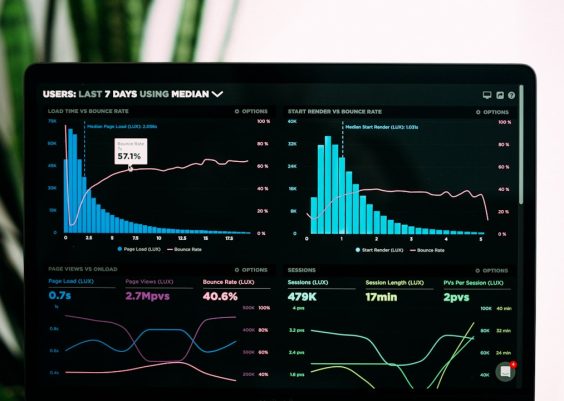
Branded payment experiences should be evaluated with both quantitative and qualitative metrics. Conversion rate is important, but it is not the only signal. Businesses should also examine support tickets, payment failures, chargebacks, refund requests, and customer feedback.
Useful metrics include:
- Checkout completion rate: The percentage of users who finish payment after starting checkout.
- Cart abandonment rate: Especially at the payment stage.
- Payment failure rate: Including expired cards, authentication issues, or incorrect details.
- Chargeback rate: Often influenced by unclear billing descriptors or poor communication.
- Support contact rate: The number of payment-related inquiries per 1,000 transactions.
A disciplined approach involves testing changes gradually. For example, a business might compare a generic checkout against a branded version for two weeks, then review conversion, payment errors, and customer inquiries. The strongest payment strategies are based on evidence rather than assumptions.
The Future of Branded Payments
As digital commerce becomes more competitive, payment experiences will continue to become more embedded, intelligent, and brand-led. Customers will expect convenience, but they will also expect transparency and control. Businesses that treat payments as a strategic part of the customer journey will be better positioned to earn trust and encourage repeat transactions.
The most effective approach is balanced: brand consistency, operational reliability, security, and simplicity. A branded payment experience should not call attention to itself unnecessarily. It should make the customer feel confident, informed, and ready to complete the transaction.
In the end, payment is more than a financial exchange. It is a moment of commitment. When that moment feels secure, coherent, and professionally managed, the brand benefits long after the transaction is complete.