Start with your competitors’ search terms, ad angles, and missing offers before you raise bids or rewrite campaigns. Competitive paid search intelligence helps you spot where rivals are spending, how they frame value, and where buyers still see weak results. The goal is not to copy anyone. The goal is to find demand that is already proven, then improve the message, offer, and landing page.
TLDR: Competitive paid search intelligence shows which keywords competitors bid on, what positions they fight for, and where the market is underserved. For example, a B2B software company might find that three rivals spend heavily on “CRM for small business,” but none use ads for “CRM with onboarding support.” If that gap has 1,200 monthly searches and a cost per click 28% lower than the core term, it may be a stronger test than chasing the most obvious keyword. Good research turns paid search from guesswork into targeted experimentation.
Why competitor keyword research matters
Paid search is expensive when you bid in the dark. A keyword may look attractive because search volume is high, but that does not mean it converts. Competitor data gives you a rough map of commercial intent. If several serious advertisers keep bidding on the same term for months, that term probably has value.
Still, competitor activity is only a signal. It is not proof. Some brands burn budget on weak campaigns for years. Others bid on broad terms for awareness, not profit. Treat competitor keywords as a shortlist for testing, not a final media plan.
How to identify competitor keywords
Start with your direct rivals. Then add comparison sites, marketplaces, review platforms, and niche publishers. In paid search, your competitor is anyone buying the same click, not just a company with the same product.
Use a mix of tools and manual checks:
- Ad preview tools: See ads without inflating impressions or changing personalization too much.
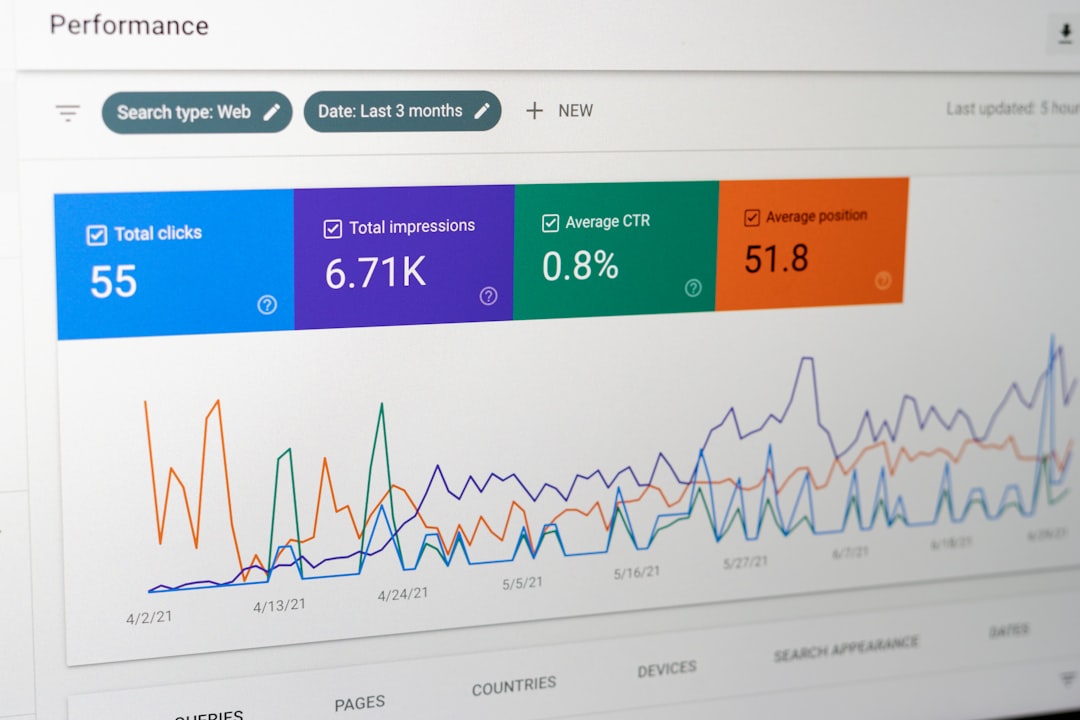
- Auction insights: Review overlap rate, impression share, outranking share, and top of page rate.
- SEO and PPC platforms: Estimate paid keywords, ad copy, traffic share, and spend ranges.
- Search result checks: Manually search core terms in target locations and devices.
- Landing page reviews: Match ad promises to funnel pages and forms.
Honestly, it feels like some tools hide the useful parts behind five tabs and a slow export queue. Expect messy data. One platform may show a rival bidding on 2,000 terms while another shows 600. That is normal. Focus on repeated patterns across sources.
Group competitor keywords by intent:
- Problem terms: “reduce payroll errors,” “fix slow website,” “stop cart abandonment.”
- Solution terms: “payroll software,” “website speed service,” “email recovery tool.”
- Brand terms: Competitor names, product names, and alternatives.
- Comparison terms: “best,” “vs,” “reviews,” “pricing,” and “alternatives.”
- Urgency terms: “same day,” “near me,” “24 hour,” “emergency,” or “book now.”
This structure makes gaps easier to find. If competitors flood solution terms but ignore problem terms, you may reach buyers earlier. If they dominate brand searches but neglect comparison queries, you can win users while they are still deciding.
Reading ad positioning like a strategist
Keywords show where competitors appear. Ad copy shows how they sell. Look for repeated claims in headlines, descriptions, sitelinks, callouts, and extensions. The words they repeat are usually the words they believe move buyers.
Track these positioning signals:
- Price angle: Discounts, free trials, low monthly rates, no setup fees.
- Speed angle: Same day setup, instant quote, fast shipping, quick approval.
- Trust angle: Reviews, certifications, guarantees, years in business.
- Feature angle: Integrations, automation, reporting, templates, support.
- Audience angle: Built for startups, agencies, dentists, landlords, schools, or enterprise buyers.
Then ask a simple question: What are they not saying? That silence can be valuable. If every ad screams “cheap,” a premium brand can win with expert service, fewer errors, or stronger support. If every rival talks about features, you might focus on outcomes.
It drives me crazy when advertisers copy the same “Schedule a Demo” line on every keyword. A buyer searching “pricing” needs a different message from a buyer searching “how to solve cash flow issues.” Better ad positioning matches the query’s emotional state.
Understanding ad position without chasing ego
Top position feels good. It is not always profitable. Competitor intelligence should help you understand when rivals push for top placement and when they relax. That tells you which auctions they may value most.
Review metrics such as:
- Impression share: How often an advertiser appears when eligible.
- Top impression share: How often ads show above organic results.
- Absolute top share: How often ads hold the first visible spot.
- Overlap rate: How often you and a competitor appear in the same auction.
- Outranking share: How often your ad appears higher than theirs.
If a competitor holds high top impression share on a narrow group of terms, they may have strong conversion data there. If they appear broadly but rarely at the top, they may be testing or prospecting. Do not respond emotionally. A bid war can drain budget fast.
How to find market gaps
Market gaps appear when customer intent exists but competitor coverage is weak, generic, or misaligned. These gaps may sit in keywords, offers, locations, audiences, or landing pages.
Look for these common openings:
- High intent, low ad quality: Ads appear, but they are vague or poorly matched to the query.
- Expensive core terms with cheaper variants: Long-tail searches may convert well at lower cost.
- Ignored customer segments: Competitors target “businesses” while users search by industry or role.
- Weak landing pages: Ads promise speed, but pages hide pricing or force long forms.
- Missing proof: Rivals make claims without reviews, case studies, ratings, or guarantees.
Suppose competitors bid on “accounting software” at $14 per click. You find “accounting software for construction contractors” at $6.80 per click with lower volume but higher intent. A tailored ad and landing page could beat generic competitors, even with a smaller budget.
Turn findings into a testing plan
Do not dump every competitor keyword into your account. That creates clutter and weak quality scores. Build controlled tests instead.
- Pick 10 to 30 competitor-informed keywords grouped by intent.
- Write distinct ads for each group, not one generic message.
- Create or adjust landing pages so the promise matches the search.
- Set clear success metrics such as cost per lead, conversion rate, and qualified pipeline.
- Run the test long enough to collect useful data, not just a few clicks.
For most accounts, early tests should run for two to four weeks, depending on budget and volume. Watch search terms daily at first. Negative keywords matter. A competitor research project can attract irrelevant traffic if match types are too loose.

Ethical and practical limits
Competitive paid search intelligence should stay clean. Do not scrape private systems, impersonate customers, or misuse trademarked brand names in ways that violate ad policies. Public ad data, auction reports, and search results are enough for smart decisions.
Also, remember that tools estimate. They may miss regional campaigns, short tests, audience exclusions, and dayparting. A rival may appear absent simply because your location, device, or search time does not match its settings.
The strongest insight is the mismatch
The best opportunities often come from mismatches: popular keywords with thin ads, strong ad promises with poor landing pages, or high buyer intent with little competition. Study competitors closely, but keep your own economics at the center. If a keyword does not produce qualified leads or sales, it does not matter how many rivals bid on it.
Competitive intelligence works best as a habit. Check the market monthly. Save screenshots. Track copy changes. Watch which messages disappear. When competitors keep an ad angle alive, learn from it. When they abandon one, ask why before you repeat the mistake.