Creating high-quality, long-form SEO content consistently is one of the most demanding tasks in digital marketing today. Whether you’re building niche authority sites, publishing in-depth blog guides, or managing content at scale for enterprise clients, the right AI writing software can dramatically improve both speed and quality. Modern AI tools go far beyond simple text generation—they assist with keyword research, outline creation, content optimization, competitor analysis, and even internal linking strategies.
TLDR: The best AI writing tools for long-form SEO content combine powerful text generation with built-in optimization, research, and workflow features. Platforms like Jasper, Surfer AI, Frase, and Writesonic stand out for their ability to produce structured, search-optimized articles. Choosing the right tool depends on whether your priority is deep SEO data, content scalability, ease of use, or budget. Used strategically, these tools can cut production time in half while improving rankings.
Below, we explore the top AI writing software tools specifically suited for long-form SEO content creation, along with a comparison chart to help you quickly identify which solution fits your workflow.
What Makes an AI Tool Good for Long-Form SEO Content?
Not all AI writing tools are built for 2,000+ word SEO-driven guides. The best tools share several key capabilities:
- Advanced language models for natural, authoritative writing
- SEO optimization features such as keyword scoring and NLP suggestions
- Outline and structure generation based on SERP analysis
- Content research capabilities to pull relevant facts and topics
- Editing and rewriting functionality for tone and clarity control
- Integrations with publishing platforms like WordPress or Google Docs
Let’s take a closer look at the top-performing options in today’s market.

1. Jasper AI
Best for: Marketing teams and high-volume content production
Jasper has built a strong reputation as a premium AI writing tool. It excels at generating long-form content when guided by clear prompts and structured outlines. With its Boss Mode and workflow templates, users can create in-depth blog posts, landing pages, and email sequences efficiently.
Key strengths:
- High-quality long-form generation
- Brand voice memory and customization
- Templates optimized for SEO blog posts
- Surfer SEO integration
Jasper works particularly well for teams that need consistency in tone across large content volumes. While it may require light editing for factual accuracy, its output quality remains among the best in the space.
2. Surfer AI
Best for: Deep SEO optimization and SERP-driven content
Surfer AI stands out because it blends AI writing directly with real-time SEO scoring. Instead of writing first and optimizing later, Surfer generates content based on data gathered from top-ranking competitors.
Key strengths:
- Built-in keyword density and NLP analysis
- Competitor-based structure suggestions
- Real-time content scoring
- Automated internal link recommendations
This tool is ideal for SEO professionals who prioritize ranking performance and data-backed decisions. It reduces guesswork by anchoring articles in live search results data.
3. Frase
Best for: Research-heavy long-form articles
Frase shines when it comes to content research and question-based structuring. It analyzes search queries, extracts common questions from SERPs, and helps you create comprehensive guides that directly address user intent.
Key strengths:
- Automated content briefs
- Question and topic extraction from competitors
- SEO scoring tools
- AI paragraph rewriting and expansion
For writers who want guidance during the outlining and research stage, Frase is an excellent hybrid between AI generation and optimization research.

4. Writesonic
Best for: Affordable long-form AI writing
Writesonic offers a strong balance between affordability and performance. Its long-form assistant can generate complete articles from a simple outline, while its SEO integration tools enhance keyword targeting.
Key strengths:
- Budget-friendly pricing
- AI Article Writer workflows
- Built-in SEO integrations
- User-friendly interface
For freelancers and small businesses, Writesonic delivers strong output without the higher price tag seen in enterprise-focused tools.
5. Copy.ai
Best for: Content marketing teams automating workflows
While originally known for shorter marketing copy, Copy.ai has evolved into a more complete platform for content automation. Its workflow builder and team collaboration tools make it suitable for structured content pipelines.
Key strengths:
- Workflow automation
- Content repurposing features
- Team collaboration tools
- Expanding long-form generation capabilities
It may require additional SEO tools for data-driven optimization, but it’s excellent for scaling internal operations.
6. Scalenut
Best for: End-to-end SEO content lifecycle management
Scalenut blends planning, research, writing, and optimization into one platform. Its Cruise Mode walks users through keyword research, outline creation, competitor analysis, and full article writing in a guided environment.
Key strengths:
- Topic cluster generation
- Automated brief building
- SEO scoring and keyword suggestions
- Content lifecycle tracking
This structured process makes Scalenut attractive for agencies building topical authority in competitive niches.
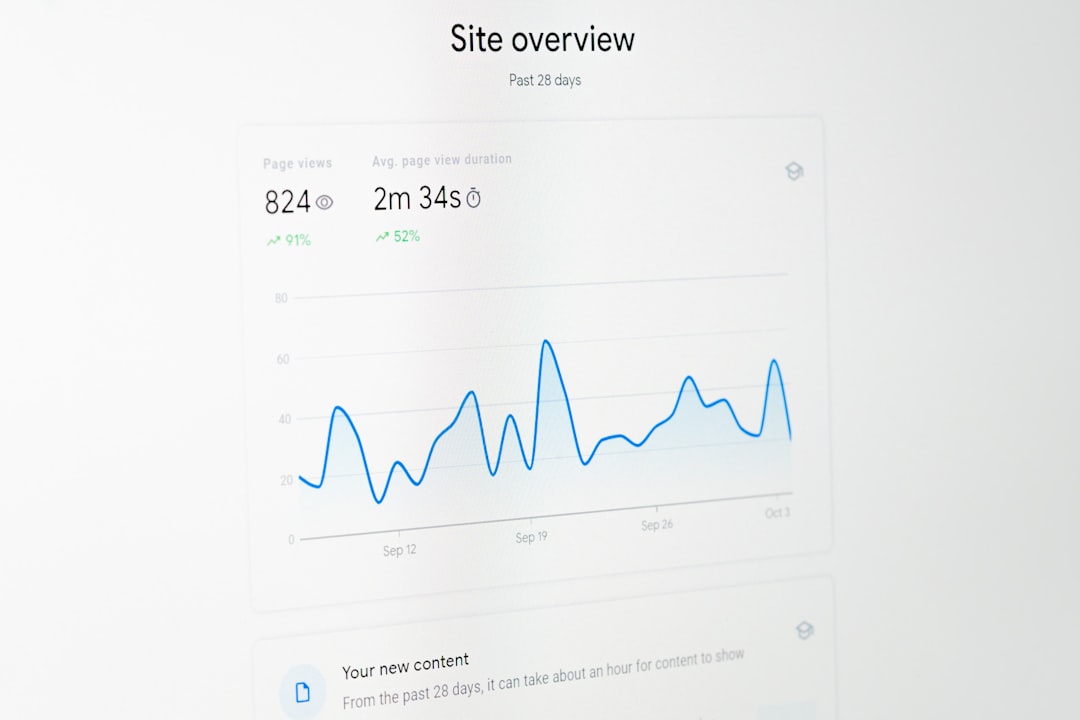
Comparison Chart: Top AI Writing Tools for Long-Form SEO
| Tool | Best For | SEO Optimization | Research Features | Ease of Use | Pricing Level |
|---|---|---|---|---|---|
| Jasper | Marketing teams | Strong (with Surfer) | Moderate | High | Premium |
| Surfer AI | Data-driven SEO | Very Advanced | Strong | Moderate | Premium |
| Frase | Content research | Strong | Very Advanced | High | Mid-Range |
| Writesonic | Freelancers | Moderate | Moderate | Very High | Budget-Friendly |
| Copy.ai | Workflow automation | Basic | Moderate | Very High | Mid-Range |
| Scalenut | SEO lifecycle management | Advanced | Strong | Moderate | Mid-Range |
How to Choose the Right AI Writing Tool
Your ideal software depends on your specific goals:
- If ranking performance is your top priority, Surfer AI or Scalenut may deliver the strongest results.
- If you’re focused on brand voice and marketing consistency, Jasper stands out.
- If you need research-driven authority content, Frase offers powerful briefing tools.
- If budget matters, Writesonic is a practical starting point.
It’s also important to remember that AI should support—not replace—human editing. Long-form SEO content requires strategic structure, strong introductions, engaging storytelling, and careful fact-checking.
Best Practices for Using AI in Long-Form SEO Content
To maximize results:
- Start with a solid brief. Provide the AI with target keywords, audience persona, and search intent.
- Generate structured outlines first. Review and refine before drafting.
- Use SEO scoring tools during editing.
- Add human insights and examples. This boosts originality and E-E-A-T signals.
- Perform manual fact-checking. Never publish AI content without review.
The professionals who see the best ranking results use AI as an accelerator, not an autopilot system.
The Future of AI in Long-Form Content Creation
AI writing software continues to evolve rapidly. We’re already seeing:
- Improved contextual understanding across 3,000+ word documents
- Better integration with analytics and ranking data
- Enhanced brand voice replication
- Automated internal linking and content clustering
As these capabilities mature, creating authoritative, optimized content at scale will become increasingly accessible to businesses of all sizes.
Final Thoughts
The best AI writing software tools for long-form SEO content creation don’t just write—they analyze, structure, optimize, and streamline entire workflows. Whether you’re a solo blogger or managing an enterprise-level content strategy, tools like Jasper, Surfer AI, Frase, Writesonic, Copy.ai, and Scalenut offer distinct advantages depending on your needs.
When paired with strategic human oversight, these platforms can drastically reduce production time while maintaining—and often improving—search engine performance. The key is choosing a solution that aligns with your goals, budget, and content strategy, then using it as a powerful assistant rather than a full replacement for expertise.