Post when your followers are ready to react, not when a generic chart says “Tuesday at 9.” In 2026, the best Instagram schedule starts with broad time windows, then gets refined with your own data. A smart starting point is 7–9 a.m., 11 a.m.–1 p.m., and 6–9 p.m. in your audience’s main time zone.
TLDR: Start by posting during commute, lunch, and evening scroll times. Test each slot for four weeks, then keep the ones with the best reach, saves, shares, and first hour engagement. For example, a fitness coach might find that 6:45 a.m. Reels get 38% more saves than 8 p.m. posts because followers want workout ideas before work. Your best time is the time your audience proves with clicks, taps, comments, and sales.
Best Instagram posting times to test in 2026
Use these times as your first test list. Do not treat them like magic. Instagram is not a toaster. You cannot press one button and get perfect reach every time.
- Monday: 7–9 a.m. and 6–8 p.m.
- Tuesday: 8–10 a.m. and 12–1 p.m.
- Wednesday: 11 a.m.–1 p.m. and 7–9 p.m.
- Thursday: 8–9 a.m., 12 p.m., and 6–8 p.m.
- Friday: 11 a.m.–1 p.m. and 5–7 p.m.
- Saturday: 9–11 a.m. and 7–10 p.m.
- Sunday: 10 a.m.–12 p.m. and 6–8 p.m.
For many accounts, Tuesday through Thursday still perform well. Friday can be odd. People scroll, but they also vanish into weekend mode. Sunday night can be strong for planning content, wellness content, recipes, and shopping.
Why timing still matters in 2026
Instagram ranking is smarter now. It looks at watch time, comments, saves, shares, profile taps, and past user behavior. Still, timing matters because early activity sends a signal.
If your post gets quick reactions, it has a better shot at wider reach. If it lands while your audience is busy in meetings, school runs, or sleep, it may flop quietly. Rude, but common.
The annoying part? Instagram Insights can make simple answers feel hidden behind too many taps. Honestly, it feels like Meta adds three extra screens just when you need one clean chart. Still, the data is there. You just need a simple system.
Build a data-driven posting schedule in four weeks
You do not need fancy software. You need a spreadsheet, patience, and a tiny bit of stubbornness.
Week 1: Pick your test slots
Choose three posting windows:
- Morning: 7–9 a.m.
- Lunch: 11 a.m.–1 p.m.
- Evening: 6–9 p.m.
Post similar content types in each slot. Do not compare a low-effort selfie to a polished Reel and blame the time. That is not a fair test. Keep the format as equal as possible.
Week 2: Track the right numbers
Do not obsess over likes only. Likes are nice. Saves and shares are louder signals.
Track these numbers for every post:
- Reach: How many people saw it.
- First hour engagement: Likes, comments, saves, shares, and replies.
- Save rate: Saves divided by reach.
- Share rate: Shares divided by reach.
- Profile visits: Great for creators, coaches, shops, and service brands.
- Link clicks or DMs: Best for sales and leads.
A post with 800 likes and 3 saves may be fun. A post with 300 likes and 90 saves may be useful. Instagram often rewards useful.
Week 3: Split by content type
Reels, carousels, Stories, and Lives do not behave the same.
- Reels: Test morning and evening. People watch when they have a few spare minutes.
- Carousels: Test lunch and evening. People need more time to swipe.
- Stories: Post across the day. Think breakfast, lunch, commute, and night.
- Lives: Use evenings or weekends. Give people notice at least 24 hours ahead.
If a Reel teaches something fast, try mornings. If it entertains, try evenings. If it sells, try lunch or Sunday night when people plan purchases.
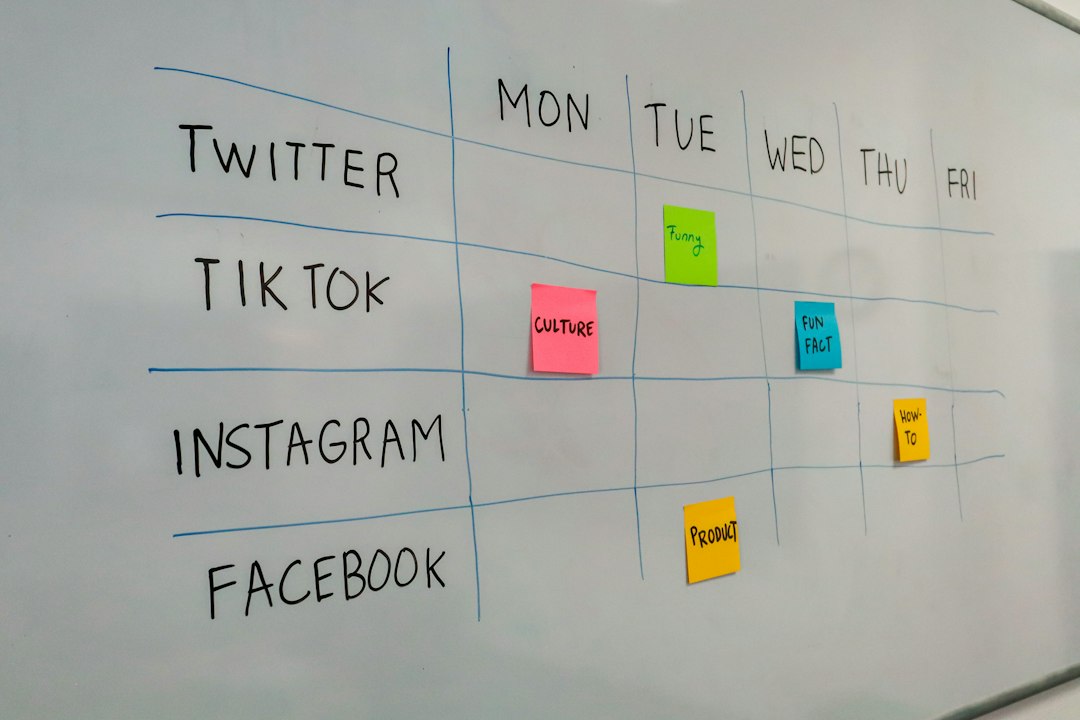
Week 4: Choose winners
At the end of four weeks, rank your slots. Use averages. One viral post can fool you.
Here is a simple scoring system:
- Reach: 1 point for each time slot in the top three.
- Engagement rate: 2 points for each top slot.
- Saves and shares: 3 points for each top slot.
- Sales, signups, or DMs: 4 points for each top slot.
The slot with the highest score becomes your main posting time. The second highest becomes your backup. Retest every month. Audiences change. School holidays, weather, paydays, sports seasons, and platform updates can all shift behavior.
A simple example schedule
Let’s say you run a small skincare brand. Your audience is mostly women aged 25–38 in the Eastern time zone. You post five times per week.
- Monday, 7:45 p.m.: Reel with a quick skin tip.
- Tuesday, 12:15 p.m.: Carousel about ingredients.
- Wednesday, 8:20 a.m.: Before and after Story sequence.
- Thursday, 6:40 p.m.: Product demo Reel.
- Sunday, 7:30 p.m.: Routine planning post.
After four weeks, your Sunday post gets fewer likes but 52% more link clicks. Your Tuesday carousel gets 2.8 times more saves than Friday posts. Great. Now you know. Sunday is for selling. Tuesday is for teaching.
How time zones change the answer
If most followers live in one country, use that time zone. Easy.
If your audience is split, pick the group that matters most to your goal. A creator may care about total reach. A shop may care about buyers. A coach may care about leads.
For global audiences, test two posting times:
- One post for your strongest buyer zone.
- One post for your biggest follower zone.
Do not post the same thing twice in one day unless you change the format. Turn a Reel into a carousel. Turn a carousel into Stories. Keep it fresh, or people will scroll past like they have seen it before. Because they have.
Small mistakes that wreck posting tests
- Changing too many things at once. Test time, not time plus format plus topic plus caption style.
- Posting once and calling it proof. One post is a clue. Ten posts are data.
- Ignoring Stories. Stories warm people up before feed posts.
- Skipping captions. A strong hook can rescue an average time slot.
- Only chasing likes. Saves, shares, DMs, and clicks often matter more.
Your 2026 Instagram posting formula
Use this simple formula:
Best time = audience habit + content type + business goal + four weeks of data.
If your goal is reach, favor times with higher views and shares. If your goal is sales, favor times with clicks, DMs, and checkout activity. If your goal is community, favor comments and Story replies.
Set a schedule you can keep. Three great posts per week beat seven rushed ones. Instagram rewards quality signals. People reward useful content. Your sanity rewards a plan that does not turn every Tuesday into a tiny panic attack.
Start with the broad windows. Track the numbers. Keep the winners. Drop the duds. That is how you find your best time to post on Instagram in 2026 without guessing, begging the algorithm, or staring at your phone like it owes you money.