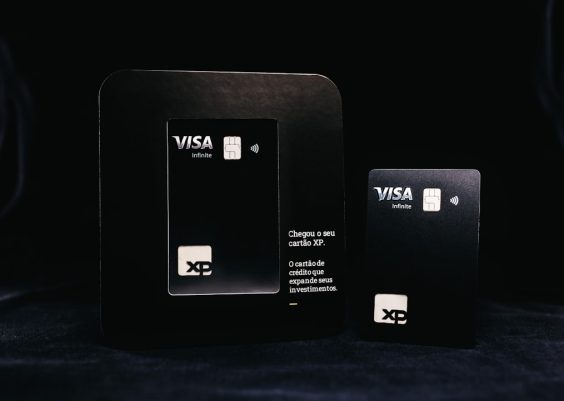
In competitive markets where products often share similar features and price points, packaging design has become a decisive factor in shaping customer perception and driving engagement. Beyond simple protection and logistics, packaging now serves as a strategic communication tool—one that tells a brand’s story, creates emotional connections, and influences purchasing decisions at the point of sale. Thoughtfully executed packaging design does more than attract attention; it builds trust, reinforces brand identity, and encourages repeat interaction.
TLDR: Creative packaging design is a strategic tool that strengthens brand identity, captures attention, and drives customer engagement. By integrating storytelling, interactivity, sustainability, personalization, and digital connectivity, businesses can turn packaging into a powerful marketing asset. Effective packaging not only influences purchase decisions but also fosters long-term brand loyalty. Investing in purposeful, innovative design yields measurable returns in competitive markets.
The Strategic Role of Packaging in Customer Engagement
Modern consumers interact with packaging long before they experience the product itself. From retail shelves to doorstep deliveries, packaging forms the first physical touchpoint between brand and buyer. Research consistently demonstrates that visual appeal, clarity of information, and perceived quality directly influence purchasing behavior.
Strong packaging design serves multiple strategic objectives:
- Capture attention in crowded retail or digital environments
- Communicate value and differentiate from competitors
- Reinforce trust through quality materials and cohesive branding
- Encourage sharing across social platforms
- Promote repeat purchases through memorable experiences
Companies that treat packaging as an extension of brand strategy—not merely a container—consistently outperform competitors in customer engagement metrics.
1. Story-Driven Packaging Design
Storytelling transforms packaging from a functional element into a meaningful experience. When consumers understand the origin, mission, or inspiration behind a product, they are more likely to develop emotional loyalty.
Effective storytelling in packaging may include:
- A concise brand origin story printed inside the box
- Founder messages that humanize the company
- Visual timelines illustrating production processes
- Icons explaining sourcing or craftsmanship
This approach is particularly effective for artisanal brands, sustainable products, and premium goods where provenance and authenticity matter.
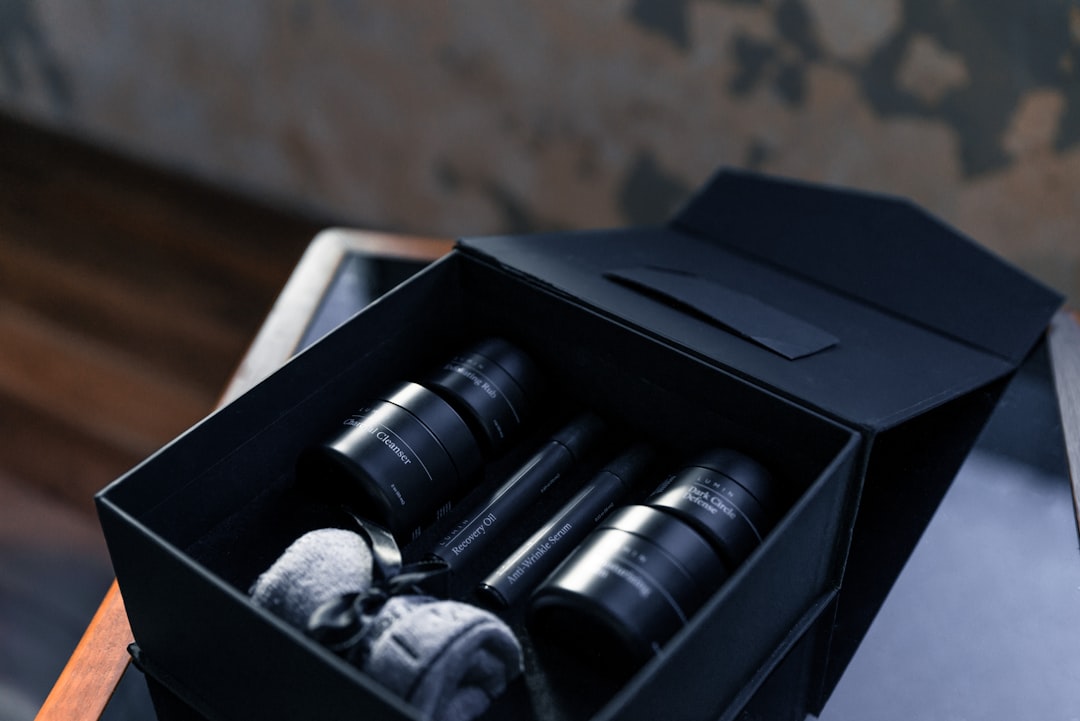
When customers unbox a product and discover carefully placed narrative elements, the experience becomes immersive rather than transactional. This elevates perceived value without necessarily increasing production costs significantly.
2. Interactive and Functional Packaging
Interactive packaging introduces an engaging physical or digital element that encourages exploration. Rather than discarding packaging immediately, consumers are prompted to interact with it.
Examples include:
- QR codes linking to exclusive content, tutorials, or loyalty programs
- Augmented reality features that animate visuals when scanned
- Reusable designs such as jars converted into storage containers
- Transformative structures that unfold into displays or organizers
Functional creativity extends product life cycle visibility. When packaging has secondary use, customers retain brand exposure long after purchase. This continuous presence reinforces recall and builds brand familiarity.
3. Sustainable and Transparent Design
Sustainability has moved from trend to expectation. Consumers increasingly evaluate brands based on environmental responsibility, and packaging is central to this perception.
Creative sustainable strategies include:
- Minimalist material usage without compromising protection
- Compostable or biodegradable components
- Refill systems that reduce waste
- Clear recycling instructions integrated visually into design
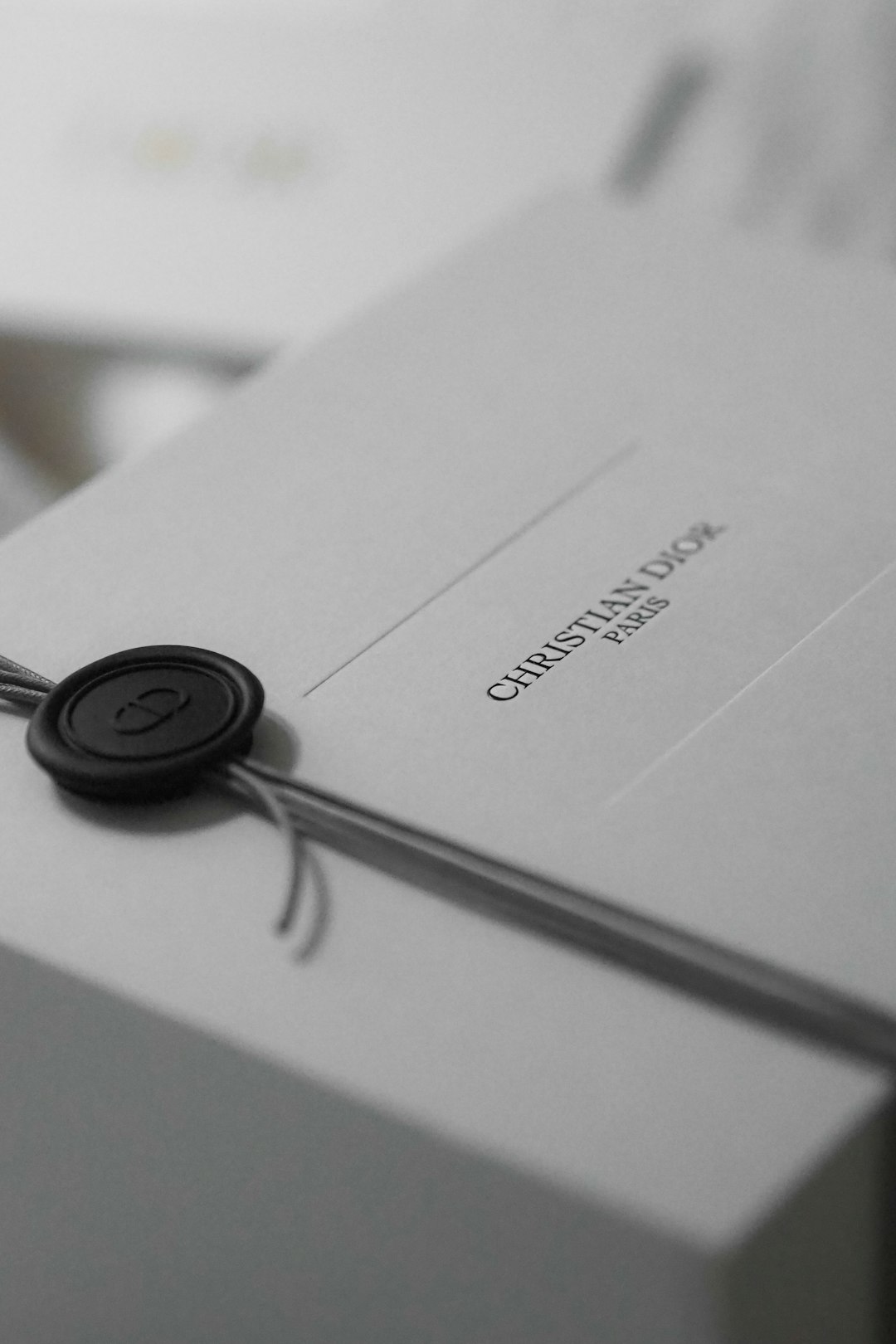
Importantly, sustainability messaging must be specific and transparent. Vague claims risk undermining credibility. Packaging should clearly communicate material composition, recyclability, and disposal guidelines.
Brands that make environmental responsibility visible through design often experience increased customer trust and higher long-term loyalty rates. Sustainable packaging is not merely ethical—it is commercially advantageous.
4. Personalization That Feels Intentional
Personalization drives emotional engagement by making customers feel recognized. Advances in digital printing and batch customization now allow scalable personalization without excessive costs.
Creative personalization ideas include:
- Name-specific packaging for online orders
- Localized artwork reflecting regional culture
- Limited-edition designs tied to holidays or events
- Customizable color accents selected during checkout
The psychological principle behind personalization is straightforward: individuals value products more highly when they perceive them as unique. Even subtle personalization—such as including a printed thank-you note referencing the customer’s purchase history—can significantly increase repeat buying behavior.
5. Minimalism and Visual Clarity
In contrast to overly complex designs, minimalism can be a powerful engagement tool. Clean typography, balanced whitespace, and restrained color palettes signal confidence and quality.
Minimalist packaging works particularly well for:
- Luxury goods
- Technology products
- High-end skincare
- Health and wellness brands
Clarity supports decision-making. When key product information is easy to identify, customers experience reduced cognitive load, making them more likely to proceed with a purchase.
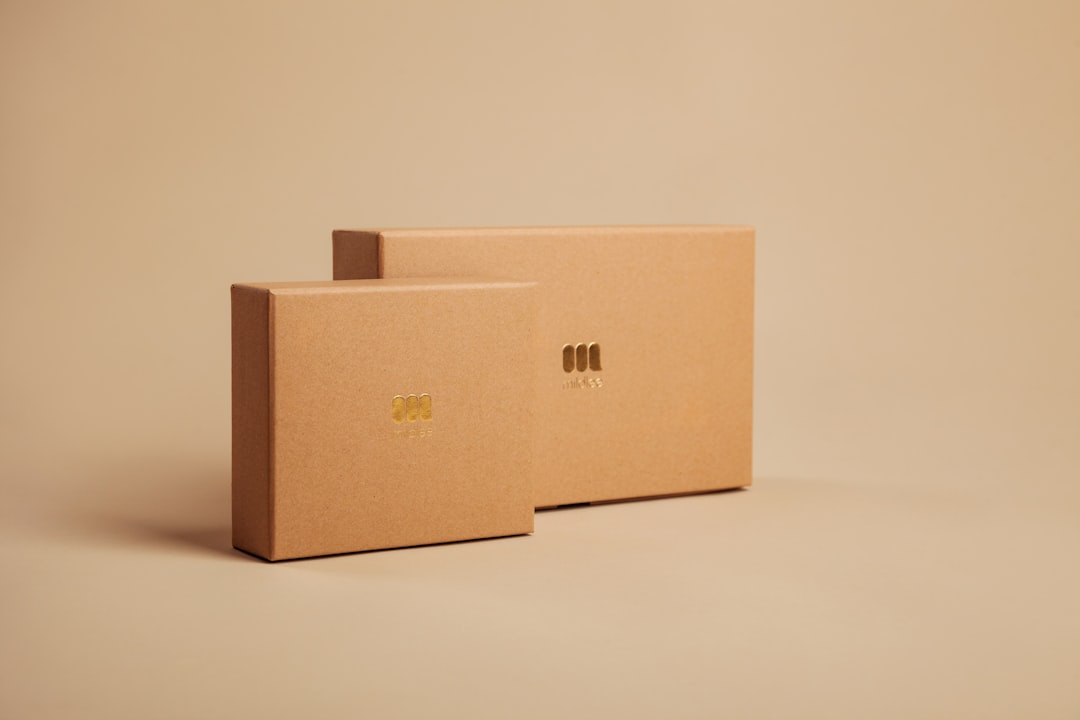
Disciplined design does not imply blandness. Strategic use of texture, embossing, foil stamping, or matte finishes can enhance tactile engagement while maintaining visual simplicity.
6. Multi-Sensory Experience
Engagement increases when more senses are involved. While sight dominates packaging design, integrating additional sensory elements can distinguish a product.
Consider incorporating:
- Texture: Soft-touch coatings, embossed logos, or ridged patterns
- Sound: Subtle structural sounds when opening premium packaging
- Scent: Light fragrance integration for cosmetics or lifestyle brands
- Weight: Heavier materials that enhance perceived quality
Sensory cues shape perception subconsciously. For example, products packaged in heavier materials are often evaluated as more valuable. This phenomenon demonstrates how tactile design decisions directly influence willingness to pay.
7. Social Media-Ready Packaging
Unboxing has become a widely shared digital ritual. Brands that design packaging with shareability in mind benefit from organic reach and user-generated content.
Elements that encourage social sharing include:
- Visually striking interior patterns
- Hidden messages revealed upon opening
- Instagram-friendly color schemes
- Clear brand marks placed strategically for visibility in photos
Encouraging customers to share experiences—through subtle prompts or hashtags printed inside packaging—extends marketing far beyond traditional channels. When done authentically, it feels like participation rather than solicitation.
8. Limited Editions and Scarcity Strategy
Scarcity increases perceived value. Limited-run packaging introduces urgency without altering the core product.
Effective scarcity-driven packaging strategies involve:
- Numbered editions
- Seasonal collaborations with artists
- Time-sensitive color variants
- Event-exclusive releases
By signaling exclusivity, brands stimulate quicker purchasing decisions and increase collectability. However, scarcity must be genuine. Artificial limitations weaken trust if overused.
9. Structural Innovation
Structural creativity—through unique shapes, folding mechanisms, or opening sequences—adds memorability. When customers encounter packaging that deviates from conventional box formats, engagement naturally increases.
Examples of structural innovation include:
- Magnetic closure boxes for premium feel
- Slide-out trays that create dramatic reveals
- Reusable tins with distinctive geometries
- Flat-pack designs that reduce shipping costs while maintaining elegance
Structural innovation must balance aesthetics with practicality. Designs that frustrate users negate engagement value. The most effective solutions feel intuitive while delivering subtle surprise.
Measuring the Impact of Creative Packaging
Creative packaging should not be evaluated solely on visual appeal. Data-driven assessment ensures sustained effectiveness.
Relevant performance indicators include:
- Increase in shelf conversion rates
- Growth in repeat purchase frequency
- Rise in social media mentions and user-generated content
- Customer feedback ratings related to unboxing or presentation
- Reduction in product returns due to improved protective design
Regular customer surveys can also identify which packaging elements resonate most strongly. Informed refinement ensures that creativity aligns with commercial objectives.
Conclusion
Creative packaging design is not an aesthetic afterthought—it is a strategic investment in customer engagement. When thoughtfully developed, packaging communicates brand values, enhances perceived quality, and transforms ordinary transactions into memorable experiences. By integrating storytelling, sustainability, interactivity, personalization, and structural innovation, businesses can turn packaging into a distinctive competitive advantage.
In markets saturated with similar products, the brands that succeed are those that understand every touchpoint matters. Packaging is often the first and most tangible expression of that philosophy. Companies that approach it with intention, discipline, and creativity are well-positioned to build deeper relationships with customers—and to sustain those relationships over time.