Email lifecycle automation has become a foundational growth engine for modern SaaS companies. From onboarding and activation to expansion and retention, the ability to deliver personalized, behavior-driven messaging at scale directly impacts revenue and user engagement. Tools similar to Customer.io enable SaaS teams to orchestrate complex workflows across email, push, SMS, and in-app messaging without heavy engineering overhead—bridging the gap between product data and customer communication.
TLDR: Email lifecycle automation tools help SaaS businesses engage users at every stage of the customer journey using behavior-driven messaging. Platforms similar to Customer.io offer event-based automation, segmentation, and multichannel capabilities that drive activation, retention, and expansion. Choosing the right solution depends on integration flexibility, scalability, analytics depth, and ease of use. The right tool can significantly accelerate sustainable SaaS growth.
Why Lifecycle Automation Matters for SaaS Growth
SaaS growth depends on optimizing the full customer journey—not just acquisition. Modern users expect timely, relevant communication tailored to their in-app behavior. Lifecycle automation platforms allow product and marketing teams to:
- Increase activation rates through onboarding sequences triggered by specific actions
- Reduce churn with behavioral nudges and re-engagement campaigns
- Drive expansion revenue via upgrade prompts and feature discovery emails
- Improve retention with milestone recognition and personalized content
Rather than sending one-size-fits-all newsletters, these tools integrate directly with product data to deliver context-aware messaging at scale.
Core Features to Look for in Customer.io Alternatives
When evaluating email lifecycle automation platforms for SaaS, several capabilities separate basic email software from growth infrastructure.
1. Event-Based Triggering
The platform should allow triggering workflows based on real-time user behavior such as:
- Account creation
- Feature usage
- Subscription upgrades or downgrades
- Periods of inactivity
2. Advanced Segmentation
Robust tools allow dynamic segmentation based on attributes, behavioral events, and calculated properties like lifetime value or engagement score.
3. Multichannel Messaging
Email alone is often insufficient. Leading platforms support:
- In-app messaging
- Push notifications
- SMS
- Webhook integrations
4. Scalability and Deliverability
As your SaaS grows, message volume increases. Infrastructure reliability, deliverability optimization, and performance analytics are critical.
5. Developer Flexibility
APIs, SDKs, and data warehouse integrations ensure the system adapts to complex SaaS architectures.
Top Email Lifecycle Automation Tools Similar to Customer.io
1. Braze
Best for enterprise SaaS requiring advanced cross-channel orchestration.
Braze offers real-time personalization and cross-channel automation at enterprise scale. Its strength lies in combining customer data with sophisticated journey orchestration.
Key strengths:
- Advanced personalization with real-time data
- Strong mobile and push capabilities
- Detailed analytics and experimentation tools
Braze is typically more suited for mid-market and enterprise SaaS companies due to pricing and implementation complexity.
2. Iterable
Ideal for analytics-driven lifecycle marketing.
Iterable focuses on creating seamless cross-channel experiences and provides powerful segmentation and experimentation features.
Key strengths:
- AI-driven optimization
- Strong A/B and multivariate testing
- Comprehensive journey builder
Iterable works particularly well for SaaS organizations with mature data operations.
3. HubSpot Marketing Hub
Best for SaaS teams wanting marketing and CRM in one platform.
HubSpot combines lifecycle automation with CRM functionality, making it suitable for SaaS companies that prioritize sales and marketing alignment.
Key strengths:
- Tight CRM integration
- User-friendly interface
- Broad ecosystem of integrations
However, for highly technical product-triggered workflows, it may lack the data flexibility of developer-focused tools.
4. Autopilot (Ortto)
Good choice for visual journey mapping.
Ortto offers an intuitive visual canvas for mapping user journeys. It bridges marketing automation and CDP capabilities.
Key strengths:
- Visual automation builder
- Built-in customer data platform features
- Effective for mid-sized SaaS organizations
5. ActiveCampaign
Cost-effective option for early-stage SaaS.
ActiveCampaign blends email marketing and automation with CRM functionality, offering solid lifecycle capabilities at competitive pricing.
Key strengths:
- Affordable entry pricing
- Strong segmentation
- Ease of use
While powerful, it may require customization for complex, product-led SaaS use cases.

Comparison Chart: Customer.io Alternatives
| Tool | Best For | Strength | Scalability | Technical Flexibility |
|---|---|---|---|---|
| Braze | Enterprise SaaS | Cross-channel orchestration | Very High | High |
| Iterable | Data-driven teams | Testing and analytics | High | High |
| HubSpot | Sales-driven SaaS | CRM integration | Medium to High | Moderate |
| Ortto | Mid-size SaaS | Visual journey builder | Medium | Moderate |
| ActiveCampaign | Early-stage SaaS | Affordability | Medium | Moderate |
Key Lifecycle Campaigns Every SaaS Should Automate
Regardless of platform choice, successful SaaS companies implement automation across the full customer lifecycle.
1. Onboarding Sequences
Triggered immediately after signup, onboarding emails guide users toward the “aha moment.” These often include:
- Feature walkthroughs
- Setup checklists
- Video tutorials
- Milestone encouragement
2. Activation Nudges
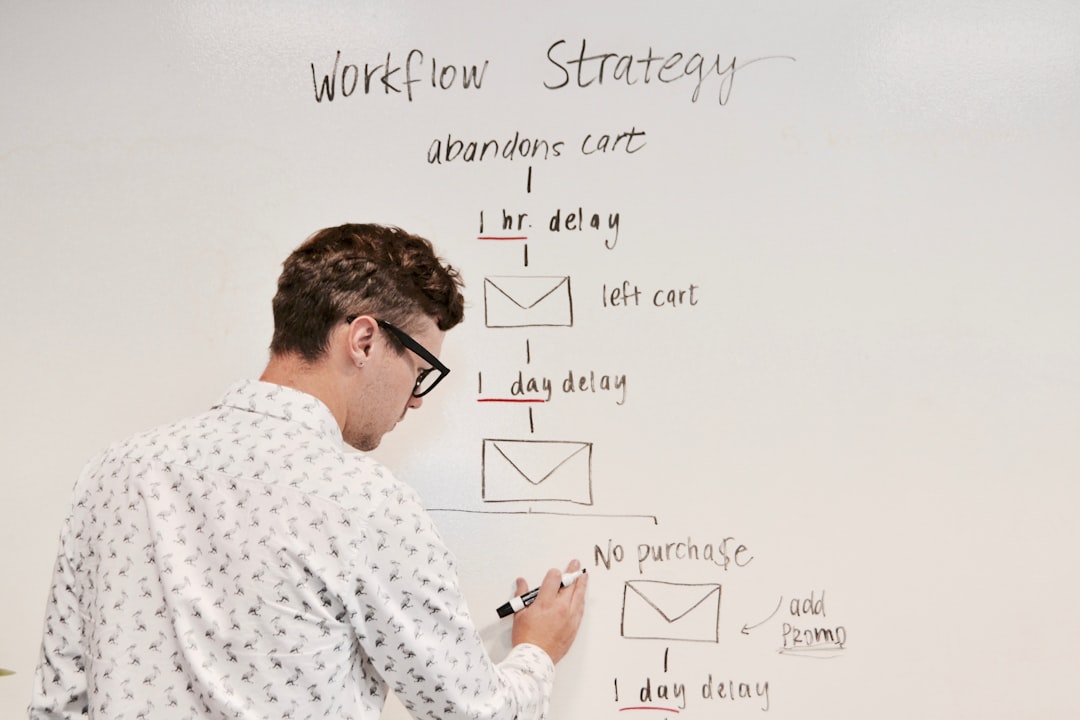
If users abandon key flows—such as incomplete integrations or project creation—automated reminders can increase activation rates significantly.
3. Feature Adoption Campaigns
Highlight underused features based on behavior. Targeted messaging here drives engagement and perceived product value.
4. Churn Prevention Workflows
Monitor inactivity metrics and declining engagement. Trigger timely outreach offering:
- Additional support
- Webinar invitations
- Personalized check-ins
5. Upgrade and Expansion Prompts
Identify accounts reaching usage limits or high engagement scores. Automated prompts can drive plan upgrades at precisely the right moment.
Integration with Product-Led Growth Strategy
For product-led SaaS companies, lifecycle automation tools must deeply integrate with the product itself. This requires:
- Real-time event tracking via SDKs or APIs
- Data warehouse connectivity for advanced modeling
- Alignment between product and marketing teams
The most effective SaaS organizations treat lifecycle messaging as part of the product experience—not merely a marketing function.
Governance, Compliance, and Reliability
Data privacy regulations such as GDPR and CCPA require strong compliance frameworks. When selecting a lifecycle automation platform, evaluate:
- Data encryption standards
- Consent management tools
- Regional data hosting options
- Audit logging capabilities
Additionally, uptime reliability and deliverability monitoring protect revenue-critical communication.
Final Considerations
Selecting a lifecycle automation tool similar to Customer.io is not merely a technical decision—it is a strategic growth investment. The right platform enables your SaaS organization to:
- Increase customer lifetime value
- Shorten time to activation
- Reduce churn rates
- Create differentiated user experiences
Smaller SaaS companies may prioritize affordability and ease of use, while larger organizations demand scalability and deep analytics. Ultimately, success depends not just on the platform itself, but on a disciplined lifecycle strategy informed by data and aligned across product, marketing, and customer success teams.
Email lifecycle automation is no longer optional for competitive SaaS businesses—it is a core component of sustainable, compounding growth. Choosing the right tool ensures that every user interaction is intentional, timely, and measurable.