The size of the American law enforcement workforce has long been a point of national discussion, especially in the wake of sweeping public safety debates, retirements, and shifting crime trends. As of 2026, updated data from federal and state agencies offers a clearer picture of how many police officers serve in the United States—and how these numbers are changing. Understanding these figures requires looking beyond a single headline number and examining local, state, and federal levels together.
TLDR: In 2026, the United States has an estimated 780,000 to 800,000 sworn law enforcement officers across local, state, and federal agencies. After a decline between 2020 and 2023, recruitment has stabilized and modest growth has resumed in many regions. However, officer distribution remains uneven, with staffing shortages still affecting some large cities. Long-term trends point toward modernization, diversified hiring, and continued staffing challenges in specific jurisdictions.
Total Number of Police Officers in the U.S. in 2026
Based on the most recent federal and state-level estimates available in early 2026, the United States employs approximately:
- 680,000–700,000 sworn local and state officers
- 90,000–100,000 federal law enforcement officers
Combined, this places the total number of sworn law enforcement officers between 780,000 and 800,000.
This includes:
- Municipal police officers
- County sheriff deputies
- State police and highway patrol officers
- Federal agents (FBI, DEA, ATF, DHS, etc.)
It does not include civilian law enforcement employees such as dispatchers, administrative staff, crime analysts, or corrections officers.
Image not found in postmetaHow 2026 Compares to Previous Years
To understand today’s numbers, it is important to examine where staffing stood over the past decade.
- 2019: Approximately 800,000 officers nationwide
- 2021: Noticeable decline due to retirements and resignations
- 2023: Estimated low point of roughly 760,000–770,000 officers
- 2026: Recovery to roughly 780,000–800,000 officers
The decline between 2020 and 2023 was driven by multiple factors:
- Increased retirements
- Resignations amid public scrutiny
- Reduced applicant pools
- Budget reallocations in certain cities
By 2024 and 2025, however, many departments intensified recruitment campaigns, raised salaries, and expanded lateral transfer programs. These efforts appear to have stabilized or modestly increased staffing levels in 2026.
Breakdown by Type of Agency
1. Local Police Departments
Local police departments make up the largest share of officers. There are over 12,000 local police departments across the country, ranging from small-town agencies with fewer than 10 officers to major metropolitan departments with tens of thousands.
In 2026, local police account for approximately:
- 480,000–500,000 officers
Large cities such as New York, Los Angeles, Chicago, and Houston maintain the largest municipal forces, but many midsize and smaller cities are still operating below pre-2020 staffing levels.
2. Sheriff’s Offices
County sheriff’s offices employ about:
- 180,000–200,000 sworn deputies
These deputies often perform a mix of duties including patrol, jail supervision, transportation, and civil process service. Rural areas rely particularly heavily on sheriff deputies due to limited municipal policing.
3. State Police and Highway Patrol
State-level agencies account for roughly:
- 50,000–60,000 sworn officers
State police typically focus on highway enforcement, statewide investigations, and support for smaller local agencies.
4. Federal Law Enforcement
Federal agencies collectively employ:
- 90,000–100,000 officers and agents
This includes personnel from agencies such as:
- Federal Bureau of Investigation (FBI)
- Drug Enforcement Administration (DEA)
- Bureau of Alcohol, Tobacco, Firearms and Explosives (ATF)
- Department of Homeland Security (CBP, ICE, Secret Service)
- U.S. Marshals Service
Officers Per Capita in 2026
Another key metric is the number of officers per 1,000 residents.
As of 2026:
- The U.S. average stands at approximately 2.3 officers per 1,000 residents
This is slightly below pre-2020 levels but reflects modest recovery compared to the 2023 low point.
However, officer density varies significantly:
- Large cities: Often 3 to 4 officers per 1,000 residents
- Suburban areas: Typically 1.5 to 2.5 per 1,000
- Rural counties: Sometimes fewer than 1.5 per 1,000
Some high-cost urban areas continue to face staffing shortages despite competitive wages, largely due to retention challenges.
Key Trends Shaping Police Staffing in 2026
1. Recruitment Incentives Have Increased
Departments across the country are offering:
- Signing bonuses
- Tuition reimbursement
- Accelerated academy tracks
- Housing stipends in high-cost cities
These measures have helped stabilize applicant numbers in some regions.
2. Retirements Remain Elevated
A significant percentage of the current workforce entered policing during hiring surges in the 1990s and early 2000s. Many of those officers are now reaching retirement age, leading to ongoing turnover pressure.
3. Greater Emphasis on Specialized Units
Rather than simply expanding patrol numbers, many agencies are investing in:
- Cybercrime units
- Mental health co responder programs
- Community engagement teams
- Data and intelligence analysis divisions
This shift affects how overall force size translates into on-the-ground patrol visibility.
4. Civilianization of Certain Roles
Some duties once handled by sworn officers are increasingly assigned to civilian professionals. This includes:
- Crime scene technicians
- Community service officers
- Administrative investigators
While this does not reduce the sworn officer count directly, it alters departmental composition.
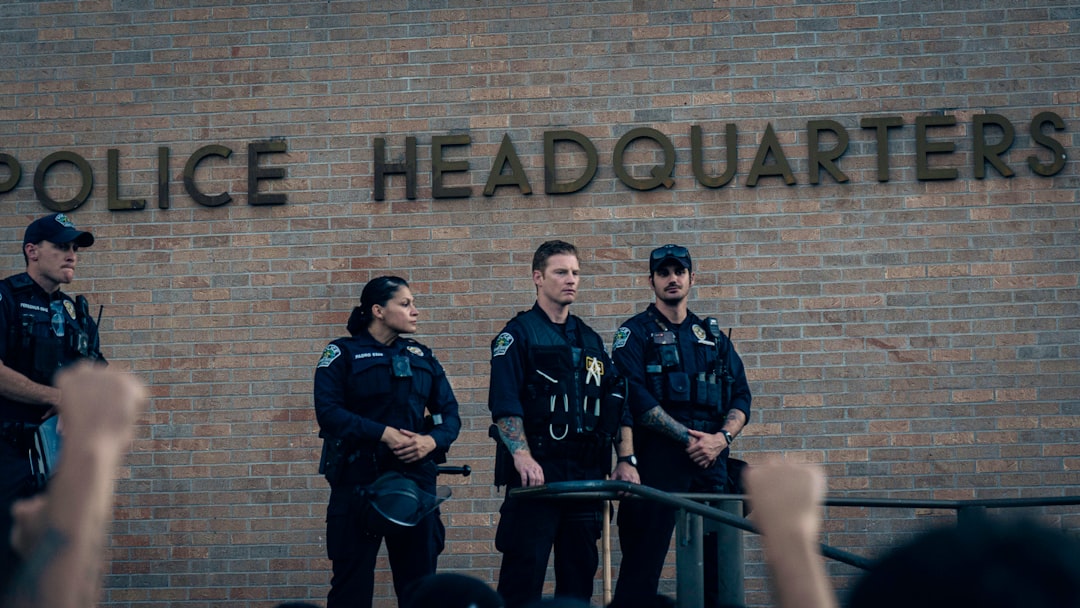
Regional Differences in 2026
Staffing levels vary considerably by region:
- South: Generally higher officer per capita rates, with steady hiring growth
- Northeast: Stable but slower growth, concentrated in major metro areas
- Midwest: Mixed trends, with some urban shortages
- West Coast: Continued recruitment challenges in certain large cities
States with expanding populations—particularly in the Southeast—have increased academy class sizes to meet demand.
Gender and Diversity Trends
As of 2026:
- Women make up approximately 14–15% of sworn officers
- Racial and ethnic diversity continues to increase modestly nationwide
Many departments have expanded outreach programs to attract a workforce that more closely reflects the communities they serve. Although progress is gradual, demographic composition is evolving compared to previous decades.
Are Staffing Levels Considered Adequate?
Whether the current total of approximately 780,000–800,000 officers is “enough” remains debated.
Supporters of increased staffing argue:
- Response times decline when departments are understaffed
- Officer burnout increases with mandatory overtime
- Community policing requires adequate patrol capacity
Others contend that:
- Technology can offset personnel shortages
- Alternative response models reduce workload for armed officers
- Smarter deployment matters more than total headcount
Data from 2025 and early 2026 suggests that while national staffing totals have stabilized, certain major cities still report vacancy rates between 5% and 15%.
Looking Ahead: Projections Beyond 2026
Most analysts expect moderate but not dramatic growth in officer numbers through the late 2020s. Key influencing factors will include:
- State and municipal budgets
- Crime trend fluctuations
- Public perception of law enforcement careers
- Federal hiring grant programs
If recruitment efforts continue at their current pace, national totals could move closer to or slightly above 800,000 officers by 2028. However, persistent retirement waves may prevent substantial expansion without aggressive recruitment strategies.
Conclusion
In 2026, the United States employs an estimated 780,000 to 800,000 sworn law enforcement officers across thousands of agencies at the local, state, and federal levels. After a period of decline earlier in the decade, staffing numbers have stabilized and show signs of modest recovery. Still, regional disparities, retirement pressures, and recruitment challenges continue to shape the law enforcement landscape.
While the headline number is important, the broader story lies in how officers are distributed, trained, and deployed. As communities evolve and public safety models adapt, the structure of American policing in 2026 reflects both continuity and change—balancing tradition with modernization in a rapidly shifting environment.