Measuring a box sounds simple until the numbers matter: a shipping quote changes, a shelf is too shallow, or a product listing gets rejected because the dimensions are in the wrong order. The good news is that measuring length, width, and height is easy once you know which side is which, what tools to use, and whether you need the inside or outside dimensions.
TLDR: To measure a box correctly, place it on a flat surface and identify the length as the longest side of the opening, the width as the shorter side of the opening, and the height as the vertical distance from bottom to top. Use a tape measure or ruler, keep it straight, and record measurements in the standard order: L × W × H. For shipping, measure the outside of the box; for fitting an item inside, measure the inside.
Why Box Measurements Matter
Box dimensions are used for more than describing size. They affect shipping costs, storage planning, packaging design, warehouse organization, product photography, and customer expectations. A difference of even half an inch can matter if you are packing fragile items, calculating dimensional weight, or trying to fit boxes onto pallets.
Incorrect measurements can lead to practical problems. A box listed as 12 inches long may not fit a 12 inch item if those are external dimensions. A shipping carrier may charge extra if the declared size is smaller than the actual package. In ecommerce, unclear dimensions can cause returns because customers expected a larger or smaller product.
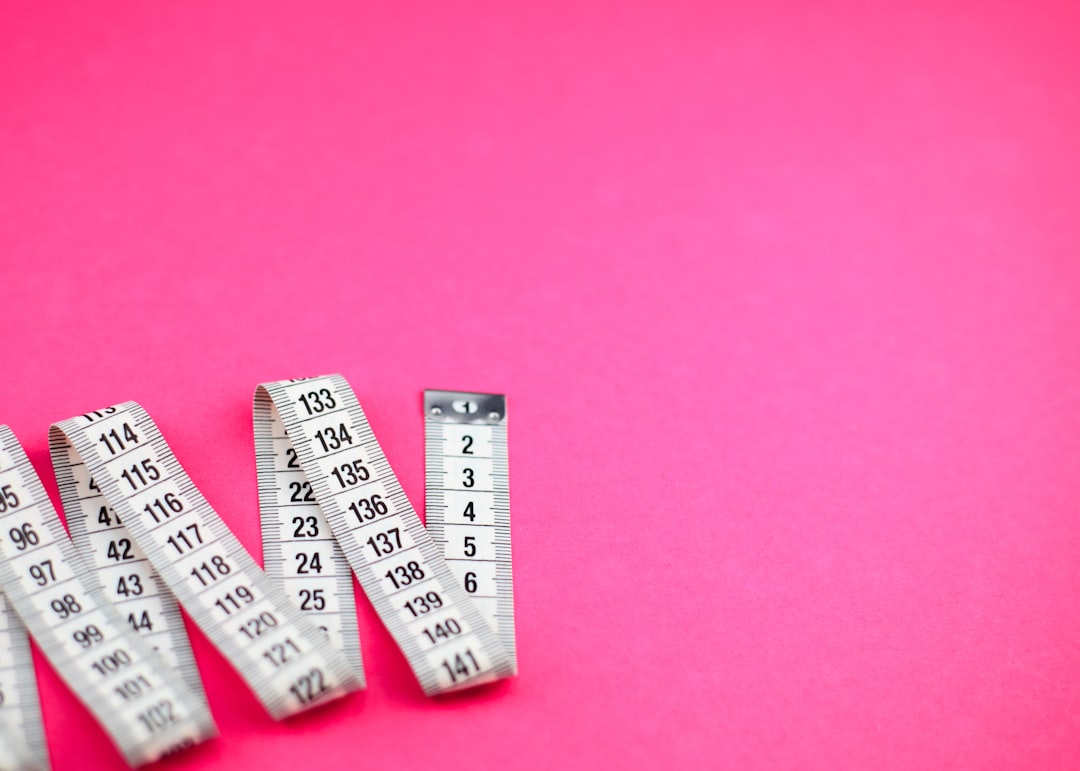
The Standard Order: Length × Width × Height
Box dimensions are usually written in the order length × width × height, often shortened to L × W × H. This order is widely used in shipping, manufacturing, storage, and retail. If you see a box described as 20 × 12 × 8 inches, that means it is 20 inches long, 12 inches wide, and 8 inches high.
To avoid confusion, always write the unit of measurement after the numbers. For example:
- 20 × 12 × 8 in means inches.
- 50 × 30 × 20 cm means centimeters.
- 600 × 400 × 300 mm means millimeters.
Never assume the unit is obvious, especially when sharing measurements with suppliers, customers, movers, or shipping companies.
How to Identify Length, Width, and Height
Start by placing the box on a stable, flat surface with the opening facing upward, as if you were about to pack something inside it. This position makes it easier to identify the three dimensions consistently.
- Length: The longest side of the box opening, measured from left to right or front to back.
- Width: The shorter side of the box opening, measured across the top surface.
- Height: The vertical side of the box, measured from the bottom to the top edge.
For a rectangular box, length and width are measured across the top opening, while height is measured upward. If the box is a perfect cube, all sides are equal, but you should still record the dimensions in the same L × W × H order for consistency.
Tools You Can Use
You do not need specialized equipment for most boxes, but using the right tool improves accuracy. A soft tailor’s tape can bend and shift, so it is not ideal for straight edges. A rigid ruler works well for small boxes, while a retractable metal tape measure is best for medium and large boxes.
Useful measuring tools include:
- Tape measure: Best for most shipping and storage boxes.
- Ruler: Good for small cartons, jewelry boxes, and product packaging.
- Yardstick or meter stick: Helpful for long, flat packages.
- Calipers: Useful for very small packaging or precise internal measurements.
When measuring, keep the tool straight, not angled. A diagonal tape measure can add unnecessary length and make the box appear larger than it is.
Outside vs. Inside Dimensions
One of the most common mistakes is mixing up external and internal dimensions. These measurements are not the same, especially with thick cardboard, double wall boxes, wooden crates, or insulated containers.
Outside dimensions are measured from one outer edge to the opposite outer edge. These are typically used for shipping, storage, stacking, and freight calculations. Carriers care about how much space a package occupies, so they usually need external dimensions.
Inside dimensions are measured from one inner wall to the opposite inner wall. These are used when you need to know what can fit inside the box. If you are packaging a product, measuring the interior is essential.
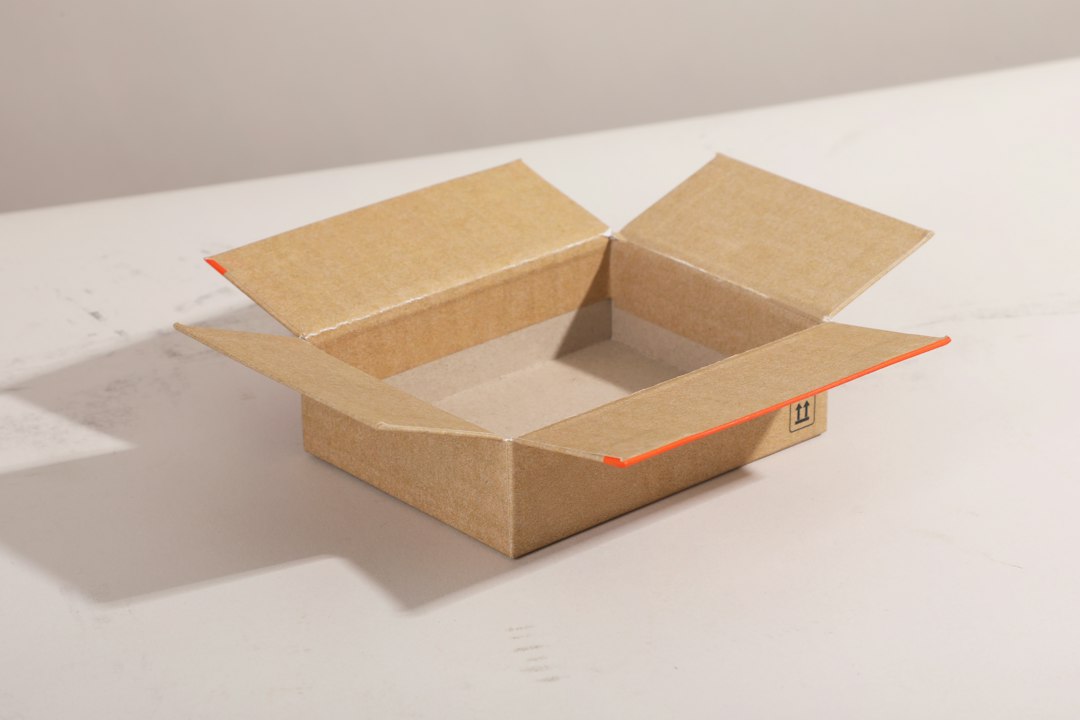
As a rule: measure the outside when calculating space the box takes up, and measure the inside when calculating space the box provides.
Step by Step: Measuring a Box Correctly
Follow this simple process for reliable measurements:
- Place the box flat. Set it on a table or floor so it is not leaning or compressed.
- Find the opening. If the box opens at the top, use that surface to identify length and width.
- Measure the length. Measure the longest side of the opening from edge to edge.
- Measure the width. Measure the shorter side of the opening.
- Measure the height. Measure from the bottom edge to the top edge.
- Record the result. Write it as L × W × H, including the unit.
For example, if the longest top edge is 16 inches, the shorter top edge is 10 inches, and the vertical side is 6 inches, the box dimensions are 16 × 10 × 6 in.
Measuring for Shipping
Shipping carriers often use dimensions to calculate dimensional weight, sometimes called volumetric weight. This is a pricing method based on how much space a package takes up rather than how heavy it is. A large lightweight box can cost more to ship than a small heavy box because it occupies more room in trucks, planes, and sorting facilities.
For shipping, measure the box after it is packed and sealed. Bulging sides, raised flaps, or extra tape can change the final size. Measure the widest points, not just the neatest edges. If a side bows outward, include that bulge in the measurement.
Many carriers also require rounding up to the nearest whole inch or centimeter. If your box measures 12.2 inches, you may need to record it as 13 inches. Always check the carrier’s rules before buying postage.
Common Mistakes to Avoid
Even careful people make small errors when measuring boxes. Watch out for these common issues:
- Reversing the order: Writing height before width can confuse carriers or customers.
- Measuring diagonally: This gives a longer, inaccurate number.
- Forgetting the unit: A measurement without inches, centimeters, or millimeters is incomplete.
- Using damaged boxes: Crushed corners and warped sides can distort measurements.
- Mixing internal and external dimensions: This can cause packing or shipping problems.
Tips for Better Accuracy
If precision matters, measure each side twice. For boxes that are slightly uneven, measure at the widest point. If you are measuring many boxes for inventory, create a consistent routine and record dimensions in the same format every time.
It also helps to label your measurements clearly. Instead of writing only “14 × 9 × 5,” write Box exterior: 14 × 9 × 5 in or Interior space: 13.5 × 8.5 × 4.75 in. This small habit prevents misunderstandings later.
Final Thoughts
Measuring the length, width, and height of a box is a basic skill, but doing it correctly saves time, money, and frustration. Remember the standard order: length × width × height. Use external dimensions for shipping and storage, internal dimensions for fitting products, and always include the unit of measurement. With a flat surface, a straight measuring tool, and a consistent method, you can describe any box accurately and confidently.