Choosing the right language learning app can significantly impact how quickly and effectively a learner reaches fluency. With dozens of platforms available, two names consistently rise to the top: Rosetta Stone and Babbel. Both promise immersive lessons, practical vocabulary, and structured progress—but they approach language instruction in very different ways. For learners deciding where to invest their time and money, understanding these differences is essential.
TLDR: Rosetta Stone focuses on immersive, no-translation learning designed to build intuition through repetition and visuals. Babbel takes a more structured, grammar-friendly approach with explanations and real-world dialogues. Rosetta Stone is ideal for learners who prefer intuitive absorption, while Babbel may suit those who want clear guidance and practical conversational skills. The best choice depends on learning style, goals, and budget.
Overview of Rosetta Stone
Founded in 1992, Rosetta Stone is one of the pioneers in digital language learning. Its approach is rooted in immersion, encouraging learners to think directly in the target language rather than translating from their native language.
The platform avoids direct translations and instead presents words and phrases alongside images, audio, and contextual clues. This method mimics how children learn their first language—through association and repetition.
Key features of Rosetta Stone include:
- Dynamic Immersion method (no translations)
- Speech recognition technology (TruAccent)
- Structured lesson pathways
- Offline access on mobile devices
- Lifetime subscription option
Rosetta Stone offers over 20 languages, including Spanish, French, German, Italian, Chinese, Japanese, and Arabic. Lessons are uniform in structure across languages, providing a consistent experience.
Overview of Babbel
Babbel, launched in 2007, emphasizes conversation-driven learning paired with grammar explanations. Unlike Rosetta Stone, Babbel frequently uses translations and explicit instruction to help learners understand linguistic rules.
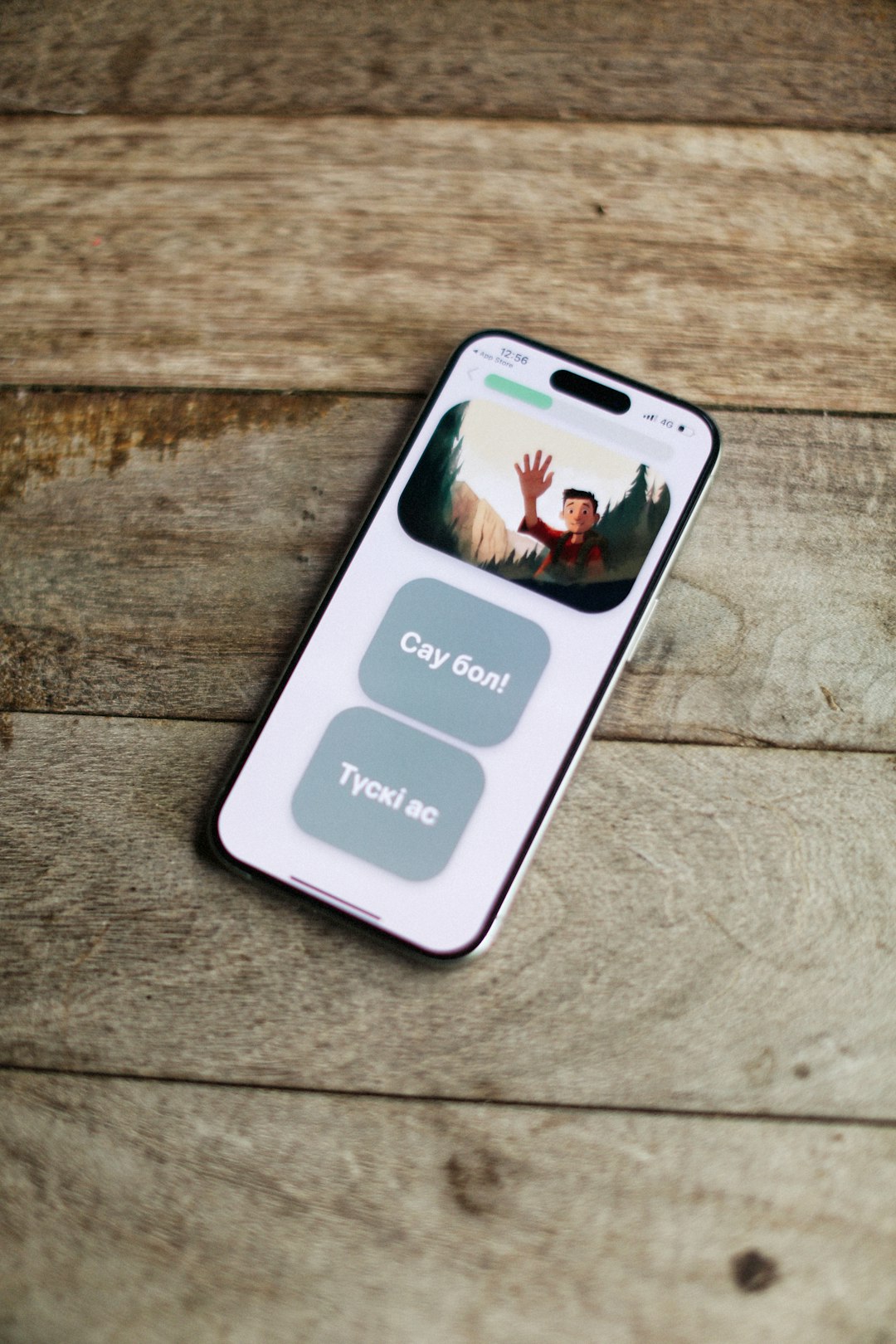
Babbel’s courses are created by linguistic experts and tailored to the learner’s native language, making lessons feel more personalized and accessible.
Key features of Babbel include:
- Grammar explanations and tips
- Short, interactive lessons (10–15 minutes)
- Speech recognition practice
- Review manager for spaced repetition
- Podcasts and cultural insights
Babbel offers 14 languages, including popular choices like Spanish, French, German, Italian, Portuguese, and Swedish.
Teaching Method: Immersion vs Instruction
The most significant difference between Rosetta Stone and Babbel lies in their teaching philosophies.
Rosetta Stone’s Immersive Technique
Rosetta Stone avoids grammar explanations and direct translations. Learners identify patterns naturally by observing images and listening to native speakers. This encourages intuitive language acquisition and improves pronunciation through repetition.
Pros:
- Encourages thinking in the target language
- Strong emphasis on pronunciation
- Distraction-free interface
Cons:
- Can feel slow or repetitive
- Lack of explicit grammar guidance may frustrate some learners
Babbel’s Structured Approach
Babbel blends conversational practice with grammar explanations. Lessons build progressively, explaining verb conjugations, sentence structure, and contextual usage.
Pros:
- Clear grammar instruction
- Practical dialogue-based lessons
- Fast-paced progression
Cons:
- Less immersive overall
- Fewer advanced-level materials compared to some competitors
User Experience and Interface
Both apps feature clean, user-friendly interfaces, but their visual experiences differ.
Rosetta Stone employs a minimalistic design focused on large images and audio playback. Navigation is linear, guiding users step-by-step through lessons.
Babbel’s layout feels more varied. It incorporates written explanations, quizzes, interactive exercises, and review quizzes. The shorter lesson format makes it easier to fit study sessions into a busy schedule.
In terms of usability:
- Beginners may appreciate Babbel’s guidance.
- Independent learners may enjoy Rosetta Stone’s immersive challenge.
Speech Recognition and Pronunciation
Pronunciation is crucial in language learning, and both apps incorporate speech technology.
Rosetta Stone’s TruAccent technology analyzes word-by-word pronunciation and provides immediate feedback. This feature is one of its strongest selling points.
Babbel also includes speech recognition exercises but not as deeply integrated throughout every activity.
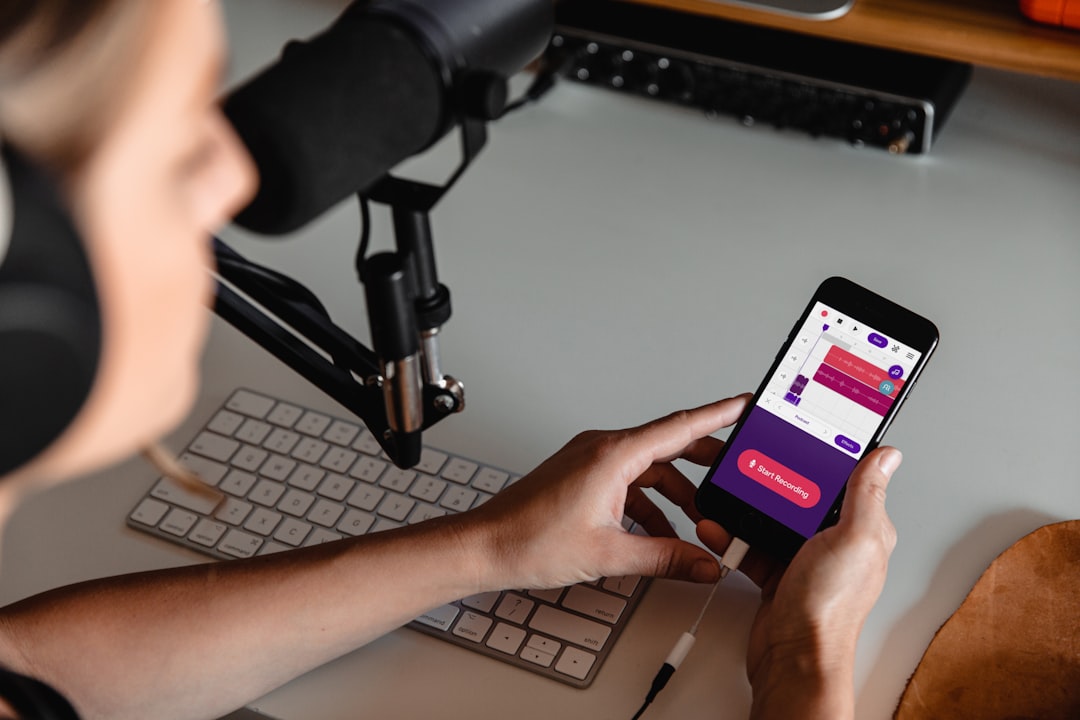
For learners prioritizing accent reduction and speaking confidence, Rosetta Stone may have an edge in this category.
Pricing Comparison
Pricing plays a significant role when choosing between the two platforms. Babbel typically operates via monthly or yearly subscriptions, while Rosetta Stone often promotes its lifetime access plan.
| Feature | Rosetta Stone | Babbel |
|---|---|---|
| Number of Languages | 20+ | 14 |
| Free Trial | Yes | Yes |
| Subscription Model | Monthly or Lifetime | Monthly, Quarterly, Yearly |
| Speech Recognition | Advanced (TruAccent) | Standard |
| Grammar Explanations | Minimal | Detailed |
| Offline Access | Yes | Yes |
Babbel is generally more affordable in the short term, while Rosetta Stone’s lifetime membership can be cost-effective for long-term learners.
Who Should Choose Rosetta Stone?
- Learners who prefer immersive methods
- Those focused on pronunciation improvement
- Users who want long-term access without recurring payments
- Individuals learning visually through images and association
Rosetta Stone works particularly well for beginners who want to absorb language naturally without overanalyzing grammar rules.
Who Should Choose Babbel?
- Learners who appreciate grammar explanations
- People aiming for conversational fluency quickly
- Busy individuals who prefer short lessons
- Users on a tighter monthly budget
Babbel may be more suitable for academic learners or professionals who need practical phrases for work or travel.
Final Verdict
There is no universal winner in the Rosetta Stone vs Babbel debate. Each platform shines in different areas. Rosetta Stone excels in immersive learning and pronunciation development, making it ideal for learners who prefer intuitive absorption. Babbel stands out for its clarity, conversational focus, and structured grammar instruction.
Ultimately, the better app depends on learning style. Analytical learners often prefer Babbel’s explanations, while intuitive learners may thrive in Rosetta Stone’s immersive environment. Testing each platform’s free trial can help determine which experience feels more motivating and effective.
Frequently Asked Questions (FAQ)
1. Is Rosetta Stone better than Babbel for beginners?
Rosetta Stone is excellent for beginners who want immersive exposure, but Babbel may feel easier due to its clear grammar explanations. The better choice depends on how the individual prefers to learn.
2. Which app is better for speaking skills?
Rosetta Stone has stronger pronunciation feedback thanks to its TruAccent system. However, Babbel emphasizes conversational phrases that may feel more immediately practical.
3. Is Babbel cheaper than Rosetta Stone?
Babbel typically has lower monthly subscription costs. Rosetta Stone can become more economical if purchasing a lifetime plan.
4. Can advanced learners benefit from these apps?
Both apps are strongest at beginner to intermediate levels. Advanced learners may need supplemental materials such as native content or conversation practice.
5. Do both apps work offline?
Yes, both Rosetta Stone and Babbel allow downloaded lessons for offline access on mobile devices.
6. How long does it take to become fluent using these apps?
Fluency depends on study consistency, practice time, and exposure outside the app. Neither app guarantees fluency alone, but consistent daily practice over several months can yield noticeable conversational improvement.