Imagine walking into your home and having the lights adjust automatically, the temperature set exactly to your liking, and your favorite playlist softly playing in the background—all without pressing a single button. This level of convenience is made possible through smart home automation software for centralized device control. As smart devices become more common, the real game-changer is no longer the individual gadget but the software platform that connects, manages, and automates everything from one unified interface.
TLDR: Smart home automation software allows homeowners to control and automate all connected devices from a single platform. It enhances convenience, energy efficiency, security, and customization through centralized dashboards and automation rules. By integrating lighting, climate, security, and entertainment systems, it transforms isolated devices into a cohesive ecosystem. Choosing the right platform depends on compatibility, scalability, security, and ease of use.
What Is Smart Home Automation Software?
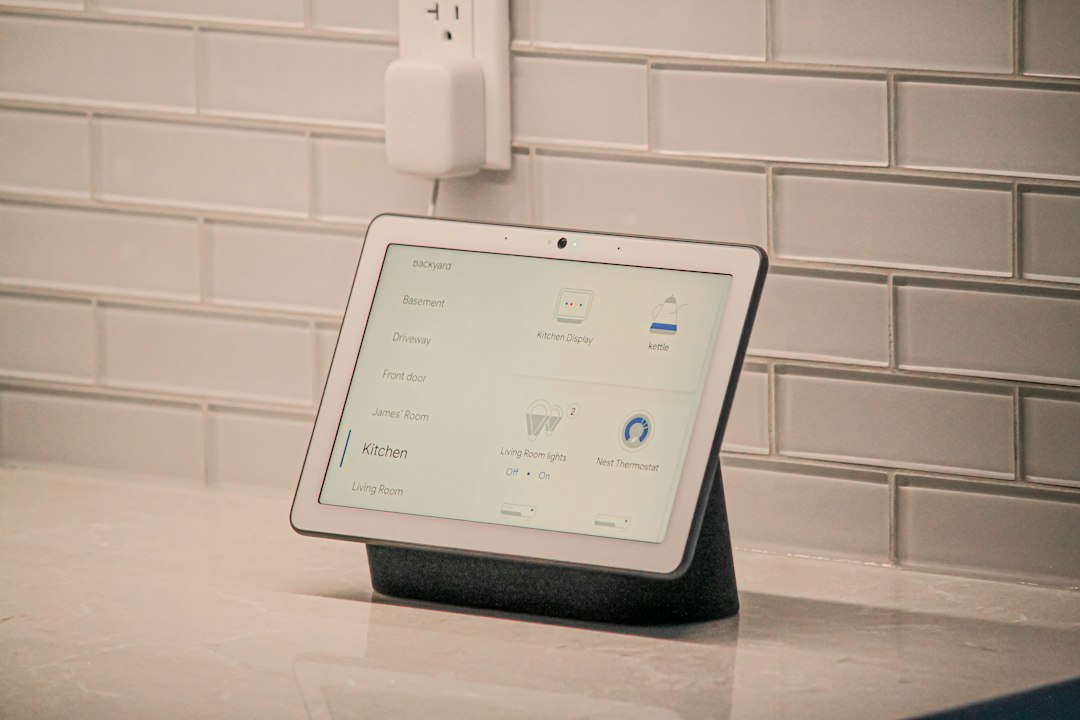
At its core, smart home automation software is a central control hub that manages multiple smart devices across a home network. Instead of toggling between separate apps for your thermostat, lights, and security cameras, you use one unified system that brings everything together.
This software can run on:
- Dedicated home automation hubs
- Smart speakers with built-in assistants
- Mobile apps (iOS and Android)
- Desktop dashboards
- Cloud-based web platforms
By integrating devices from different manufacturers, automation software eliminates fragmentation and creates a centralized command center for your home.
Why Centralized Device Control Matters
Without centralized control, smart homes can quickly become chaotic. Each device may come with its own application, login credentials, and configuration process. Managing multiple ecosystems becomes inefficient and frustrating.
Centralization provides:
- Simplified Management: One dashboard controls everything.
- Consistent Automation: Devices work together through shared triggers.
- Better User Experience: A cohesive interface reduces confusion.
- Improved Reliability: Automation rules prevent manual errors.
Rather than thinking in terms of devices, you begin thinking in terms of scenes and routines. For example, a “Good Night” routine might turn off lights, lock doors, lower the thermostat, and arm the security system simultaneously.
Core Features of Smart Home Automation Platforms
While features vary across systems, most advanced platforms offer a robust set of tools designed for control, monitoring, and automation.
1. Unified Dashboard
A centralized interface provides real-time status updates for connected devices. Users can monitor lighting levels, camera feeds, indoor temperature, and energy consumption from a single screen.
2. Automation Rules and Triggers
Automation rules enable cause-and-effect scenarios such as:
- If motion is detected after midnight, turn on hallway lights.
- If indoor temperature exceeds 75°F, activate cooling.
- If the system is armed and a door opens, send an alert.
Triggers can be based on:
- Time schedules
- Sensor data
- Geolocation
- Voice commands
- Device state changes
3. Scene Creation
Scenes allow multiple device settings to activate simultaneously. Examples include:
- Movie Night: Dim lights, close blinds, power on TV.
- Away Mode: Turn off appliances, lock doors, enable cameras.
- Morning Routine: Raise blinds, start coffee machine, adjust thermostat.
4. Voice Assistant Integration
Modern platforms integrate seamlessly with voice assistants, enabling hands-free control. Commands like “Turn off all lights” or “Set temperature to 72 degrees” become effortless.
5. Remote Access
Cloud connectivity allows homeowners to control and monitor their systems from anywhere. Whether you’re at work or on vacation, centralized software ensures you stay connected.
Integration Across Devices and Protocols
One of the greatest strengths of smart home automation software is its ability to bridge communication gaps between different devices and protocols.
Common wireless standards include:
- Wi-Fi
- Zigbee
- Z-Wave
- Bluetooth
- Thread
Advanced platforms support multiple protocols, ensuring broader compatibility. This flexibility is crucial because homeowners rarely stick to one brand when building their smart ecosystem.
The result is interoperability—a lighting system triggering a smart speaker, or a door sensor activating climate adjustments—regardless of manufacturer.
Energy Efficiency and Sustainability Benefits
Centralized device control isn’t just about convenience—it can significantly reduce energy consumption.
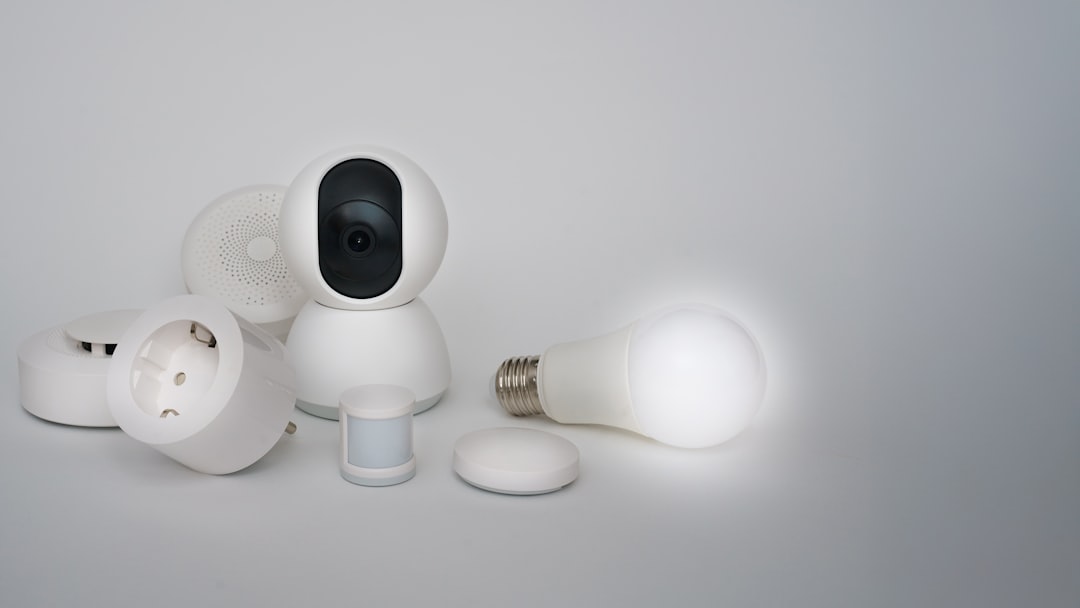
Smart thermostats optimize heating and cooling based on occupancy patterns. Automated lighting systems ensure lights are only active when needed. Energy monitoring plugs provide detailed usage reports, helping users identify inefficiencies.
Automation examples for sustainability include:
- Adjusting blinds based on sunlight to reduce heat gain.
- Powering down idle electronics during work hours.
- Managing irrigation systems based on weather data.
Over time, these optimizations can translate into noticeable cost savings and a reduced carbon footprint.
Security and Privacy Considerations
With increased connectivity comes increased responsibility for data protection. Centralized automation software must prioritize cybersecurity and privacy safeguards.
Key security features to look for include:
- End-to-end encryption
- Two-factor authentication
- Role-based access controls
- Regular firmware updates
- Activity logs and alerts
Beyond digital security, automation platforms enhance physical safety by integrating:
- Smart locks
- Video doorbells
- Motion sensors
- Leak detectors
- Smoke and carbon monoxide alarms
When combined into a centralized dashboard, these elements provide comprehensive protection with instant notifications and coordinated responses.
Customization and Scalability
Every home is unique, and automation software must adapt accordingly. Whether you live in a small apartment or a multi-story house, scalable platforms allow gradual system expansion.
Scalability advantages include:
- Adding new devices without replacing existing infrastructure
- Creating advanced conditional automations as needs grow
- Supporting multiple user profiles for family members
Some systems even offer developer tools and APIs for advanced users who want to build custom integrations.

Cloud vs. Local Control
A key decision in selecting smart home automation software is choosing between cloud-based control, local control, or a hybrid model.
Cloud-Based Systems:
- Offer remote access from anywhere.
- Are easier to set up and manage.
- Depend on internet connectivity.
Local Systems:
- Operate even during internet outages.
- Provide faster response times.
- Enhance privacy by keeping data internal.
A hybrid system combines both benefits, allowing local automation while still supporting remote management.
The Role of Artificial Intelligence
Emerging platforms are leveraging artificial intelligence and machine learning to make automation smarter over time. Instead of relying solely on manual rule creation, AI analyzes patterns and behavior.
For example:
- Learning your preferred temperature schedule.
- Adjusting lighting based on observed activity.
- Detecting unusual behavior and sending alerts.
This predictive capability turns automation from reactive to proactive, enhancing comfort and efficiency without constant user input.
Challenges and Limitations
Despite its advantages, centralized smart home software is not without challenges:
- Compatibility Issues: Not all devices communicate seamlessly.
- Initial Setup Complexity: Advanced configurations may require technical knowledge.
- Cost: Premium systems and compatible devices can be expensive.
- Security Risks: Poorly secured networks create vulnerabilities.
Careful planning and selecting reputable platforms can mitigate many of these obstacles.
Future Trends in Smart Home Automation
The future of centralized home control is moving toward greater standardization and interoperability. Industry-wide protocols aim to simplify device pairing and reduce compatibility conflicts.
We can expect:
- Improved cross-brand compatibility
- More intuitive AI-driven automation
- Enhanced energy optimization tools
- Stronger built-in cybersecurity measures
- Deeper integration with smart cities and utility providers
As technology evolves, centralized automation software will likely become as essential as home Wi-Fi—an invisible but indispensable backbone of modern living.
Conclusion
Smart home automation software for centralized device control represents the heart of the connected home. By unifying diverse devices into a single ecosystem, it transforms scattered technology into a coordinated, intelligent environment. From improving energy efficiency and strengthening security to enhancing day-to-day convenience, centralized platforms unlock the full potential of smart living.
As homeowners continue to invest in connected devices, the real power lies not in how many gadgets they own—but in how intelligently those devices work together. With the right automation software, a home becomes more than smart; it becomes responsive, adaptive, and truly integrated.