Autonomous trucking is worth tracking now because the winners could cut empty miles, ease driver shortages, and make long-haul freight more predictable. U.S. trucks move about 72.6% of domestic freight tonnage, so even small safety and efficiency gains can matter at national scale [source: ATA]. Kodiak Robotics sits near the center of that shift, but it is not the only company worth watching.
TLDR: The four autonomous trucking companies to follow are Kodiak Robotics, Aurora Innovation, Torc Robotics, and Waabi. A simple use case is a Dallas-to-Houston freight lane, where an autonomous Class 8 truck could run repeat highway miles while humans handle local pickup and delivery. If autonomy cuts even 5% to 10% from linehaul costs through better uptime and fuel discipline, large fleets will pay attention. Still, this is a serious watchlist, not a hype list or a stock recommendation.
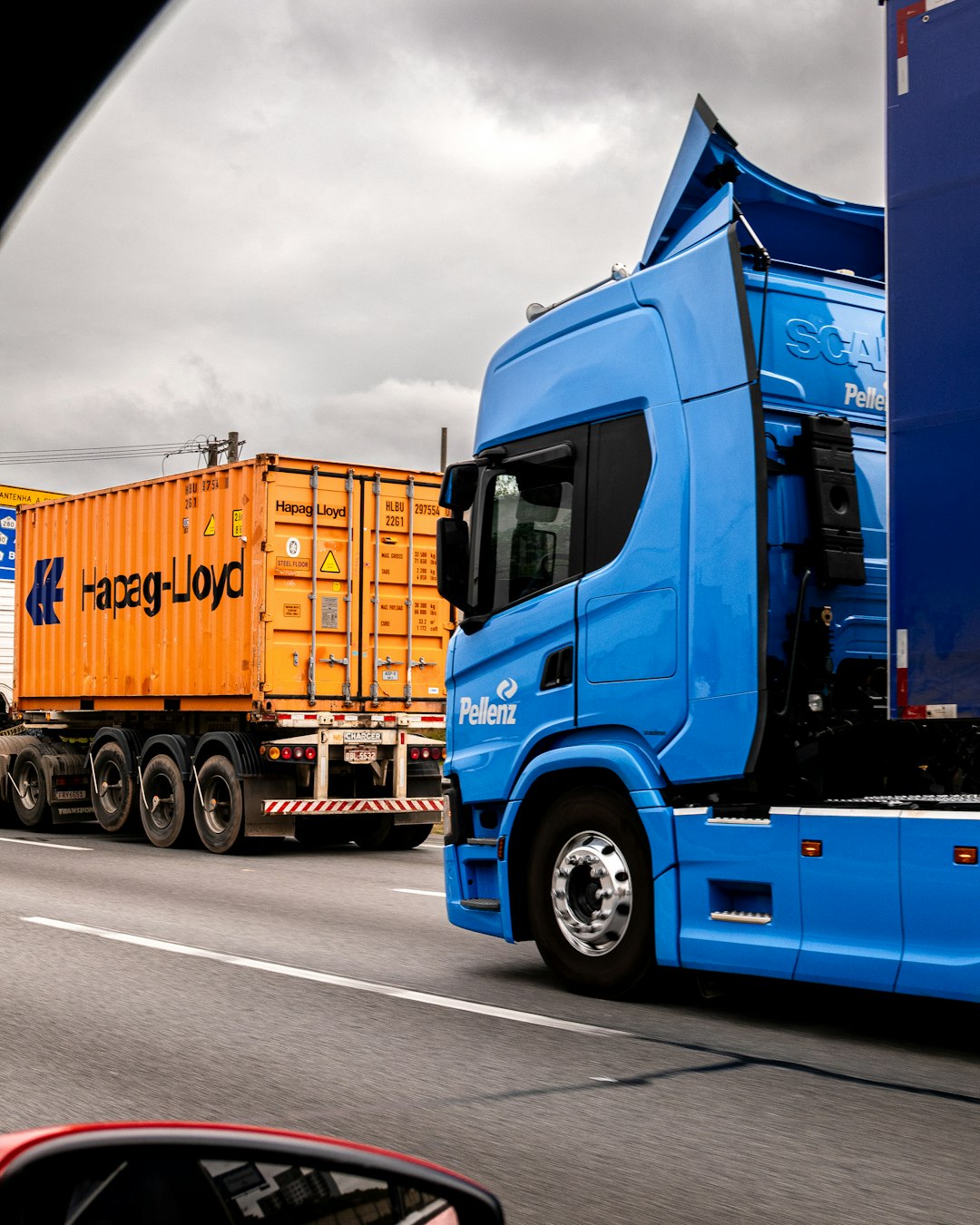
1. Kodiak Robotics: the practical contender
Kodiak Robotics deserves first mention because it has stayed focused on a clear job: autonomous long-haul trucking on repeatable routes. Its approach centers on highway freight, not flashy consumer robo-taxis. That matters. Trucking has tighter business math and fewer excuses.
Kodiak is known for its sensor system and modular hardware design. Its SensorPods are built to be easier to inspect, replace, and service. That sounds boring. It is not. Fleet operators hate downtime. A truck sitting in a yard makes no money.
The company has also worked on commercial freight pilots and defense-related autonomy. That mix is worth watching. Defense work can stress-test systems in rough conditions, while freight work proves whether the business case holds. The key question is simple: Can Kodiak move from pilots to regular driverless freight at scale?
The annoying part is that autonomous trucking demos can look more finished than they really are. A clean promo video does not tell you how the system handles construction zones, blown tires, bad lane paint, or a pickup cutting in too close. Kodiak should be judged on miles, safety data, customer contracts, and repeat operations.
2. Aurora Innovation: the public-market benchmark
Aurora Innovation is one of the most visible names in autonomous trucking. It is public, which means investors and fleet buyers get more regular updates than they do from many private firms. That visibility cuts both ways. It builds trust, but it also invites hard questions.
Aurora has focused on hub-to-hub trucking, with Texas lanes often discussed as a key early market. Its system, the Aurora Driver, is designed for use in Class 8 trucks and other vehicle types. The company has also worked with major industry names, including truck makers and freight partners.
What makes Aurora worth following is its push toward commercial driverless service. The big issue is not whether the technology can work in a controlled case. It is whether Aurora can repeat the run safely, often, and with cost savings that carriers can measure.
Watch for three signals:
- Regular driverless freight routes, not one-off events.
- OEM integration with production trucks, not custom science projects.
- Clear safety reporting that normal people can understand.
3. Torc Robotics: the Daimler-backed builder
Torc Robotics is important because it is owned by Daimler Truck, one of the biggest truck manufacturers in the world. That gives Torc a serious path into production hardware. In trucking, that matters more than a clever pitch deck.
Torc has been working on autonomous Freightliner Cascadia trucks. That is a strong base. Fleets already know the Cascadia. Service networks know it. Parts channels know it. If autonomy is tied to a familiar platform, adoption gets less painful.
Torc’s edge is not loud marketing. It is the chance to connect autonomy with real truck manufacturing. Honestly, it feels like some autonomous vehicle firms forget that trucks need service bays, warranties, diagnostics, and parts at 2 a.m. Torc is closer to that world.
The risk is speed. Large manufacturers move carefully. That can be good for safety but slow for market share. Watch whether Torc can turn engineering discipline into commercial launches before faster rivals grab the best lanes.
4. Waabi: the simulation-first challenger
Waabi is the most interesting technical challenger on this list. The company puts a heavy focus on simulation through its Waabi World platform. In plain English, it tries to train and test autonomy in virtual settings before trucks face the same edge cases on public roads.
That approach could save time and money. Real-world road testing is expensive. It is also slow. Simulation lets engineers run rare events again and again, such as sudden debris, odd merges, harsh weather, or strange driver behavior.
Waabi has attracted attention from major partners and investors. Its promise is speed with rigor. The proof will be whether simulation results transfer cleanly to public roads. That is the hard part. Virtual miles are useful, but freight customers pay for real deliveries.
How to judge the watchlist
Do not rank these companies by press releases. Rank them by operational proof. The best signs are simple:
- Driverless miles with freight onboard.
- Repeat routes with paying customers.
- Low intervention rates and clear safety standards.
- Truck maker support and service readiness.
- Unit costs that make sense for carriers.
Autonomous trucking will not replace every human driver soon. Yard moves, city streets, bad weather, and local delivery still favor people in many cases. The first strong business case is likely hub-to-hub highway freight. Humans can handle the first and last miles. Autonomous systems can handle long repeat corridors.
For anyone studying carrier economics, it also helps to understand basic trucking costs first. Fuel, insurance, maintenance, permits, and equipment payments still rule the business. A good primer on starting a trucking business can make the autonomy debate feel much more grounded.
Bottom line
Kodiak Robotics, Aurora, Torc, and Waabi are worth following because each attacks the same problem from a different angle. Kodiak looks practical and fleet-focused. Aurora offers visibility and scale ambitions. Torc brings manufacturing depth. Waabi brings a strong simulation bet.
The winner will not be the company with the best demo. It will be the one that moves freight safely, repeatedly, and cheaply enough that carriers stop treating autonomy like an experiment.