Wollmatten are wool mats used for warmth, cushioning, moisture control, plant protection, sound softening, and natural insulation. The German word simply means “wool mats”, but the product category is wider than it sounds. Wool can absorb moisture vapor without feeling clammy, and it is naturally renewable and biodegradable [source: IWTO]. That makes Wollmatten useful in homes, gardens, vans, beds, yoga spaces, and even pet areas.
TLDR: Wollmatten are natural wool mats used for comfort, insulation, gardening, crafts, and acoustic improvement. For example, a 180 x 200 cm wool mattress topper can add breathable warmth to a standard double bed without trapping heat like some synthetic foams. In a small balcony garden, 1 square meter of wool mulch mat can protect several pots, reduce splashback, and hold moisture around the soil. Choose by use first, then check thickness, density, wool type, backing, smell, and care instructions.
What Does “Wollmatten” Mean?
“Wollmatten” is the plural form of Wollmatte. In English, it means wool mats. The term is common in German-speaking markets, but it appears in many online listings for natural home goods, gardening supplies, bedding, and insulation materials.
A Wollmatte may be soft and quilted. It may also be dense, felted, needle-punched, or layered. Some are thin sheets. Others are thick pads. The material might be pure sheep wool, recycled wool fibers, alpaca wool, or a blend with cotton, jute, latex, or polyester scrim for strength.
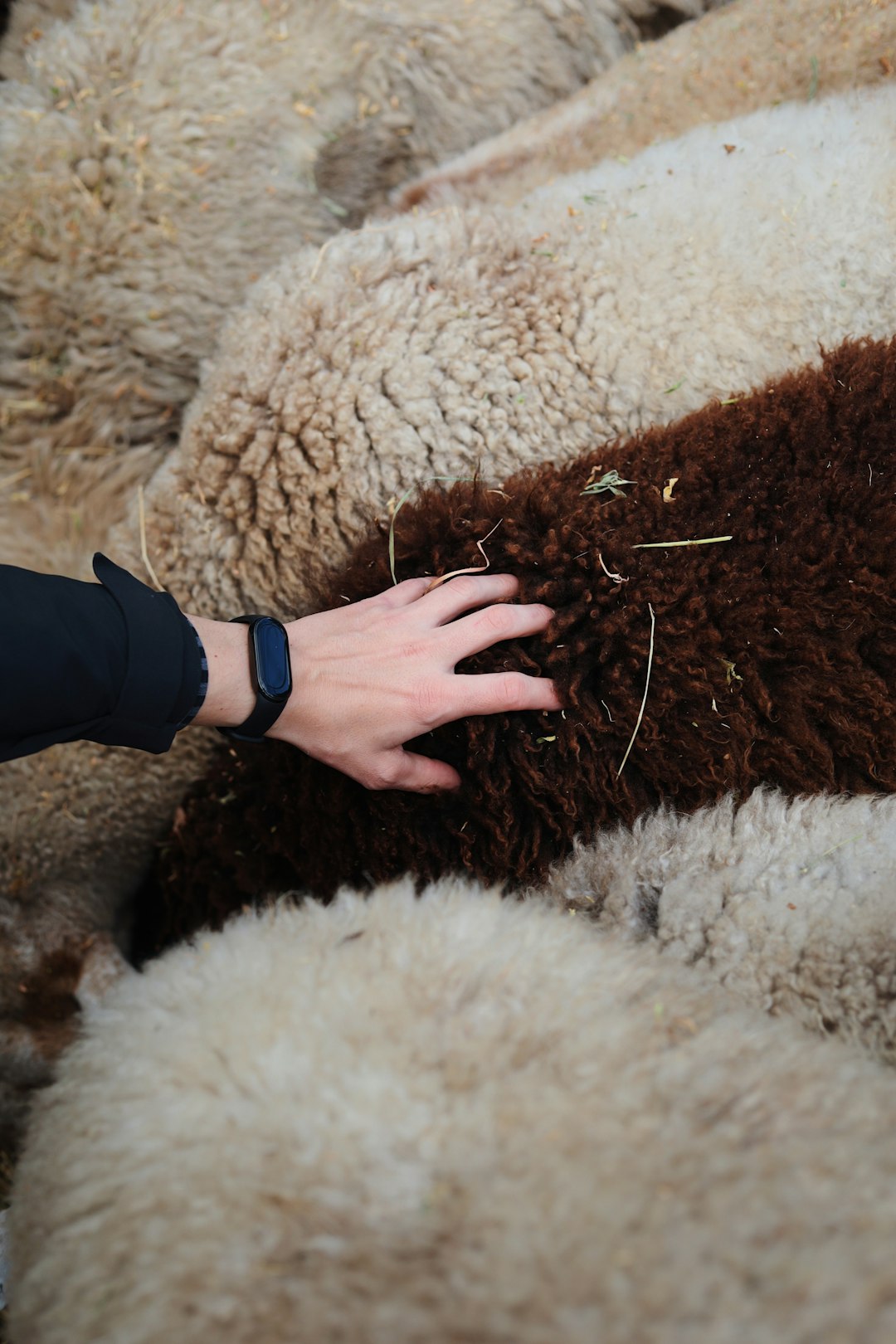
The key feature is the wool fiber itself. Wool is springy, warm, breathable, and good at managing moisture. It also has a natural crimp, which creates tiny air pockets. Those air pockets help with insulation and cushioning.
Why People Choose Wool Mats
Wool mats are popular because they solve simple problems without feeling over-engineered. They warm a cold floor. They pad a hard bench. They protect soil from drying out. They soften echo in a room. They make a bed feel more breathable.
The catch is… not every product called a Wollmatte is the same. Some are luxury bedding. Some are rough garden mats. Some are construction-grade insulation. Buying the wrong one is annoying because wool is not always cheap, and return shipping on bulky mats can cost more than expected.
Here are the main benefits:
- Thermal comfort: Wool traps air, so it helps keep heat where you want it.
- Moisture balance: It absorbs and releases moisture vapor, which helps reduce clammy spots.
- Softness and pressure relief: Thick mats add a gentle cushion under the body.
- Natural origin: Many Wollmatten use renewable sheep wool.
- Odor resistance: Wool often smells fresher than many synthetic fibers after use.
- Sound absorption: Dense wool felt can reduce sharp room echo.
Main Types of Wollmatten
1. Wool Mattress Mats and Toppers
These are made for beds, futons, cribs, guest mattresses, camper beds, and floor sleeping setups. They can be quilted, felted, or layered. A thin version may be 1 to 2 cm thick. A plush topper may be 4 to 8 cm thick.
Choose this type if you want breathable warmth and a softer sleep surface. It works especially well for people who dislike the “sealed in” feel of memory foam. For hot sleepers, a thinner wool pad is usually safer than a thick one.
2. Garden Wool Mats
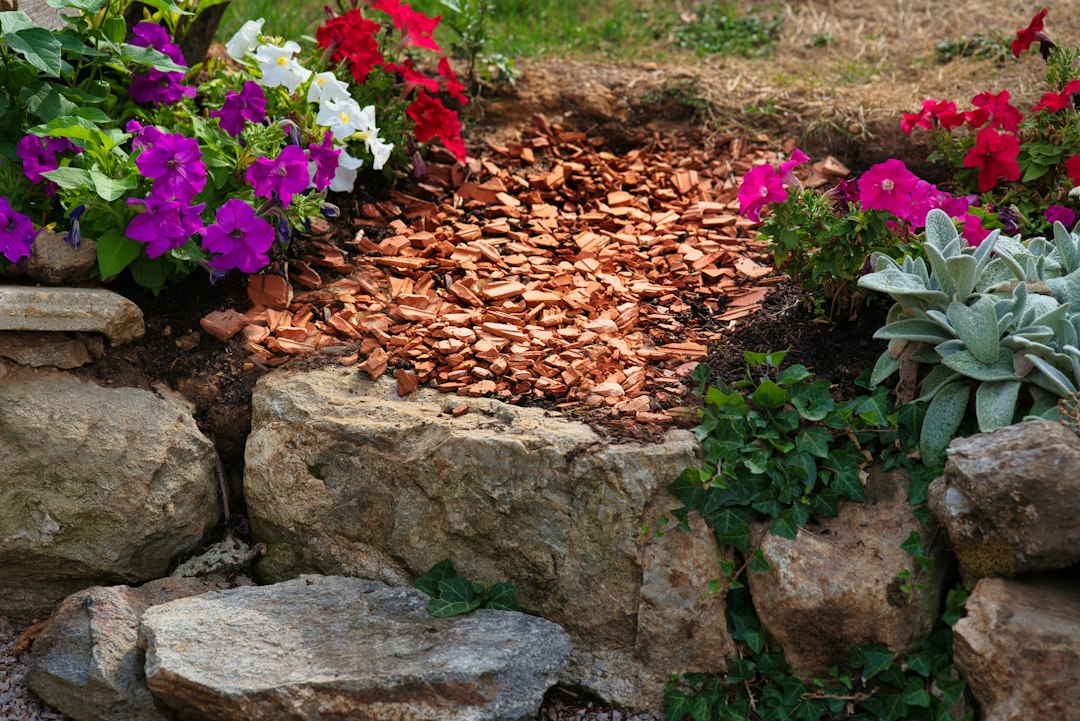
Garden Wollmatten are usually rougher and less refined. They are used as mulch mats, weed barriers, frost protection, or moisture-retention layers. Some are cut into discs for plant pots. Others come as rolls for beds and raised planters.
They can help protect tender plants from cold nights. They also reduce soil splash during watering. Over time, untreated wool can break down and add organic matter. Do not expect a perfect weed barrier forever, though. Nature is persistent. Tiny weeds will still try their luck.
3. Wool Insulation Mats
These mats are used in walls, roofs, tiny houses, vans, cabins, and acoustic panels. They are denser than bedding wool and are often sold by thickness and thermal performance. Common thicknesses include 30 mm, 50 mm, 80 mm, and 100 mm.
For building use, check fire treatment, pest resistance, compression recovery, and local standards. Do not guess here. A cozy material still needs to be installed correctly.
4. Felt Wool Mats
Felted Wollmatten are compact and smooth. They appear as desk mats, seat pads, table protectors, laptop pads, wall panels, craft sheets, and yoga or meditation mats. They look clean and simple. They can feel firm rather than fluffy.
Dense felt is great when you want structure. It protects surfaces and adds a quiet, warm texture. It is less ideal if you expect deep cushioning.
5. Pet and Animal Wool Mats
Many dogs and cats love wool because it feels warm but not sweaty. Pet wool mats are often placed in crates, baskets, kennels, or car seats. For this use, washable construction matters more than luxury softness.
Check whether the mat has a removable cover. Also check if the wool is treated against moths. If your pet chews bedding, avoid loose fibers and flimsy stitched edges.
Buying Guide: How to Choose the Right Wollmatte
Start with the job. A bed topper, garden mat, yoga pad, and wall insulation panel may all be called Wollmatten, but they should not be judged by the same rules.
- For sleeping: Look for softness, breathability, stitching quality, and a cotton cover.
- For gardening: Look for untreated wool, easy cutting, thickness, and weather tolerance.
- For insulation: Look for density, thickness, fire rating, pest treatment, and certification.
- For sound: Look for dense felt, panel thickness, and mounting options.
- For pets: Look for washable covers, strong seams, and low-shed fibers.
Check Wool Content
Some mats are 100% wool. Others are blends. A blend is not automatically bad. Cotton backing can add breathability. Jute can add structure. Latex can reduce sliding. Synthetic mesh can improve durability.
Still, read the label. “Wool-like” is not wool. “Contains wool” may mean a small percentage. It drives me crazy when listings hide the actual fiber mix three tabs deep, then call the product “natural” in huge letters.
Think About Thickness and Density
Thickness is easy to see. Density is easy to forget. A thick but loose mat may flatten quickly. A thinner dense mat may last longer and support better.
For a bed, 3 to 5 cm is a useful middle range. For garden mulch, 5 to 10 mm often works well. For felt desk mats, 3 to 5 mm is common. For insulation, follow the project specs rather than guessing.
Smell Matters
Real wool can smell faintly like sheep, lanolin, or clean hay. That is normal. A strong chemical odor is not. Air the mat for 24 to 72 hours before use, especially with bedding or pet mats.
Care Instructions Can Make or Break the Purchase
Wool dislikes rough washing, high heat, and harsh spinning. Some mats are spot-clean only. Others have removable washable covers. A few can be washed on a wool cycle, but only if the maker says so.
For bedding, use a protector. For garden mats, shake off soil and let them dry before storage. For felt mats, vacuum gently and blot spills fast. Do not scrub hard unless you enjoy fuzzy patches.

Common Mistakes to Avoid
- Buying by price alone: Cheap wool mats may be thin, loosely bonded, or blended with unknown fibers.
- Ignoring measurements: Mats can shrink or arrive slightly smaller than listed.
- Using bedding wool outdoors: Soft toppers are not made for rain, mud, and insects.
- Skipping anti-slip needs: Felt mats can slide on smooth floors.
- Forgetting allergies: Some people react to lanolin, dust, or wool texture.
Price Expectations
Small felt mats may cost little. A quality wool mattress topper can be a serious purchase. Garden rolls sit somewhere in the middle, depending on size and fiber content. Insulation mats are priced by area, thickness, and performance.
As a rough guide, pay more attention to grams per square meter, thickness, stitching, and fiber origin than to marketing words. “Premium” means nothing without specs.
Final Buying Tip
Pick the Wollmatte that matches the use, not the prettiest photo. For comfort, choose soft, breathable, well-stitched wool. For the garden, choose rough, untreated, practical wool. For building or sound work, choose dense material with clear technical data. The best Wollmatte feels simple once it is in place: warm where it should be warm, dry where it should stay dry, and useful every day without fuss.