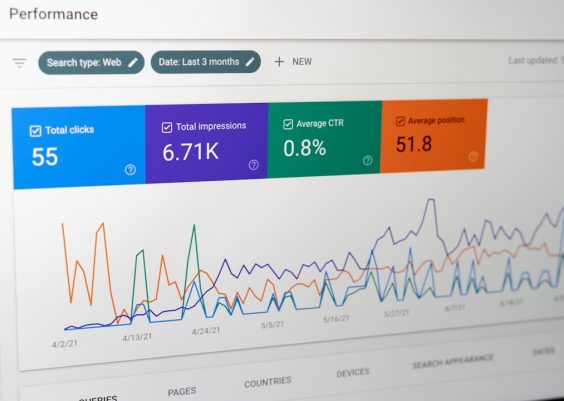
Modern marketing teams juggle multiple campaigns, platforms, and performance metrics at once. As client expectations grow and data sources multiply, the need for efficient reporting and clear dashboards has never been greater. Marketers are no longer just campaign managers; they are data storytellers who must present actionable insights in a visually compelling and easy-to-digest way. Choosing the right tools can dramatically reduce reporting time, eliminate manual errors, and improve client satisfaction.
TLDR: Marketing teams can dramatically streamline client reporting by leveraging specialized dashboard and analytics tools. Platforms like Google Looker Studio, Databox, and Tableau help consolidate data into real-time visual reports. Automation and integration features reduce manual work while improving accuracy. The right combination of tools saves time, enhances insights, and strengthens client relationships.
Why Marketers Need Streamlined Reporting Tools
Client reporting often involves pulling data from advertising platforms, social media channels, SEO tools, CRM systems, and analytics software. Manually compiling this data into spreadsheets or presentations is time-consuming and prone to errors. Modern reporting tools automate data gathering, centralize metrics, and create visually compelling dashboards.
Effective tools offer:
- Automated data syncing across platforms
- Customizable dashboards tailored to client goals
- Real-time updates for accurate reporting
- White-label options for agency branding
- Data visualization capabilities that simplify complex metrics
Below are seven of the best tools marketers use to streamline client reporting and dashboard management.
1. Google Looker Studio
Google Looker Studio is one of the most popular free tools for building interactive dashboards. It integrates seamlessly with Google Analytics, Google Ads, Search Console, YouTube, and other Google products, making it ideal for digital marketing agencies.
Key benefits include:
- Drag-and-drop dashboard builder
- Custom branding and templates
- Real-time collaboration
- Wide range of data connectors
Marketers appreciate its flexibility and cost-effectiveness. With proper setup, agencies can create reusable templates and speed up reporting significantly.
2. Databox
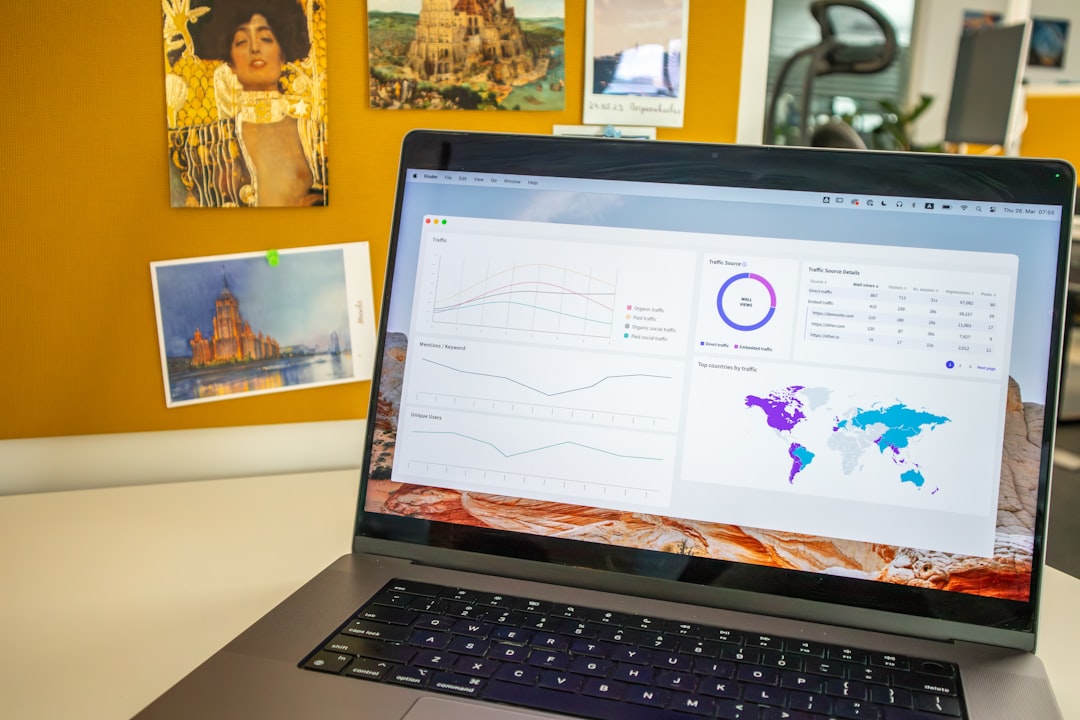
Databox centralizes data from multiple marketing platforms into a single intuitive dashboard. It is designed specifically with marketers in mind, offering numerous pre-built integrations for advertising, email marketing, and CRM tools.
What makes Databox stand out?
- Pre-built dashboard templates
- Goal tracking features
- Automated performance alerts
- Mobile-friendly reporting
Agencies can provide clients with live dashboards rather than static reports. Automated alerts notify marketers when KPIs deviate from targets, allowing faster optimization decisions.
3. Tableau
Tableau is a powerful data visualization tool designed for advanced analytics and sophisticated dashboards. While it may require more expertise than other tools, it offers deeper data analysis capabilities.
Why serious marketers choose Tableau:
- Advanced visual analytics
- Custom calculated metrics
- Data blending from multiple sources
- Enterprise-level scalability
Large agencies or enterprise marketing teams benefit from Tableau’s ability to handle complex, multi-channel campaigns with extensive datasets.
4. AgencyAnalytics
AgencyAnalytics is built specifically for marketing agencies. Its primary focus is simplifying client reporting with customizable dashboards and automated reports.
Its primary features include:
- White-label dashboards
- SEO, PPC, and social integrations
- Scheduled automated reports
- Keyword tracking and backlink monitoring
The platform reduces reporting time through automation while maintaining professional presentation quality. Many agencies use it to standardize reporting across dozens of clients.

5. Klipfolio
Klipfolio enables marketers to build custom dashboards using live data from hundreds of sources. It balances flexibility with ease of use, making it suitable for mid-sized marketing teams.
Notable advantages:
- Extensive data connectors
- Real-time KPI monitoring
- Cloud-based accessibility
- Strong customization capabilities
Marketers who require tailored KPIs often prefer Klipfolio for its flexibility. It allows granular customization while maintaining a user-friendly experience.
6. Whatagraph
Whatagraph focuses on simplicity and visual storytelling. It is particularly useful for agencies managing paid advertising and social media campaigns.
It offers:
- Automated data collection
- Easy-to-understand visual reports
- Custom branding options
- Scheduled report delivery
The platform transforms complex data into client-friendly visuals. This helps bridge the gap between marketing performance data and business-level insights.
7. Microsoft Power BI
Microsoft Power BI is a powerful business intelligence tool that serves advanced marketing teams looking for in-depth analytics. Like Tableau, it is robust and highly customizable.
Why marketers use Power BI:
- Advanced data modeling
- AI-powered insights
- Enterprise-grade scalability
- Strong integration with Microsoft products
Power BI works particularly well for organizations already operating within the Microsoft ecosystem. It provides deep analytical capabilities that go beyond surface-level marketing metrics.

Key Features to Look for in Reporting Tools
When selecting a reporting solution, marketers should evaluate platform capabilities based on specific needs rather than popularity alone.
Important considerations include:
- Integration capabilities: Does it connect with existing tools?
- Automation: Can reports be scheduled and updated automatically?
- Customization: Can dashboards be tailored to client KPIs?
- Scalability: Will it grow with the agency?
- User accessibility: Can clients easily navigate dashboards?
Agencies managing multiple clients typically prioritize automation and white-label options. In-house teams may prefer advanced analytics and granular control over KPIs.
Benefits of Streamlined Client Reporting
Implementing the right reporting tools delivers both short-term and long-term advantages.
Short-term benefits:
- Reduced time spent on manual reporting
- Fewer data errors
- Clearer client communication
Long-term benefits:
- Stronger client trust
- Better strategic decision-making
- Improved team productivity
- Scalable reporting systems
Ultimately, streamlined reporting shifts marketing teams away from repetitive administrative tasks and toward strategic campaign optimization and data-driven growth.
Conclusion
Client reporting is no longer just a monthly obligation; it is a vital component of marketing transparency and performance analysis. With the growing complexity of campaigns and data sources, manual reporting processes are simply unsustainable.
Tools such as Google Looker Studio, Databox, Tableau, AgencyAnalytics, Klipfolio, Whatagraph, and Microsoft Power BI enable marketers to automate workflows, visualize insights effectively, and deliver real-time dashboards that impress clients. By investing in the right solution, marketing teams can save time, reduce errors, and focus on what truly matters: driving measurable results.
Frequently Asked Questions (FAQ)
-
1. What is the main benefit of using marketing dashboard tools?
The primary benefit is automation. Dashboard tools automatically pull and visualize data from multiple sources, reducing manual reporting time and minimizing errors. -
2. Are free reporting tools sufficient for agencies?
Free tools can work well for small agencies or startups. However, growing agencies often require paid solutions for advanced customization, automation, and white-label capabilities. -
3. How often should clients receive performance reports?
This depends on campaign scope, but most agencies provide monthly reports while offering real-time dashboard access for ongoing transparency. -
4. What features are essential for client reporting platforms?
Key features include data integrations, automation, customizable dashboards, real-time updates, and easy sharing options. -
5. Can these tools integrate with advertising platforms?
Yes, most modern reporting tools integrate with major advertising and analytics platforms, including paid ads, social media, SEO, and CRM systems.