Broken links are more than a minor inconvenience—they are a direct threat to your website’s credibility, user experience, and search engine performance. When visitors encounter dead ends, their trust erodes. When search engines encounter them, your rankings can suffer. Identifying and resolving these issues quickly requires the systematic use of reliable broken link checker tools designed to uncover hidden structural flaws in your site.
TLDR: Broken links negatively impact SEO, user experience, and website credibility. Broken link checker tools help you identify dead internal and external links, enabling faster repairs and stronger search performance. Regular audits combined with proactive maintenance protect rankings and improve crawl efficiency. Consistent monitoring is essential for long-term SEO health.
Why Broken Links Are Dangerous for SEO
Search engines aim to deliver high-quality results that offer value and reliability. Broken links signal neglect. When search engine crawlers encounter a 404 or other error repeatedly, they may reduce crawl frequency, waste crawl budget, or even lower ranking signals associated with reliability.
Here’s why broken links are particularly harmful:
- Wasted Crawl Budget: Search engines allocate limited crawl resources per site. Dead links waste these resources.
- Poor User Experience: Users quickly abandon websites that produce error pages.
- Loss of Link Equity: Internal broken links interrupt the flow of authority across important pages.
- Reputation Damage: Excessive external broken references reduce perceived professionalism.
In competitive niches, even minor technical weaknesses can push a page from the first page of results to obscurity. Proactive link management is therefore not optional—it is strategic infrastructure.
What Broken Link Checker Tools Actually Do
Broken link checker tools crawl your website similarly to search engine bots. They scan every accessible URL, evaluate status codes, and produce detailed reports highlighting errors. These reports often include 404 errors, 500 server errors, redirect chains, timeout issues, and incorrectly formatted URLs.
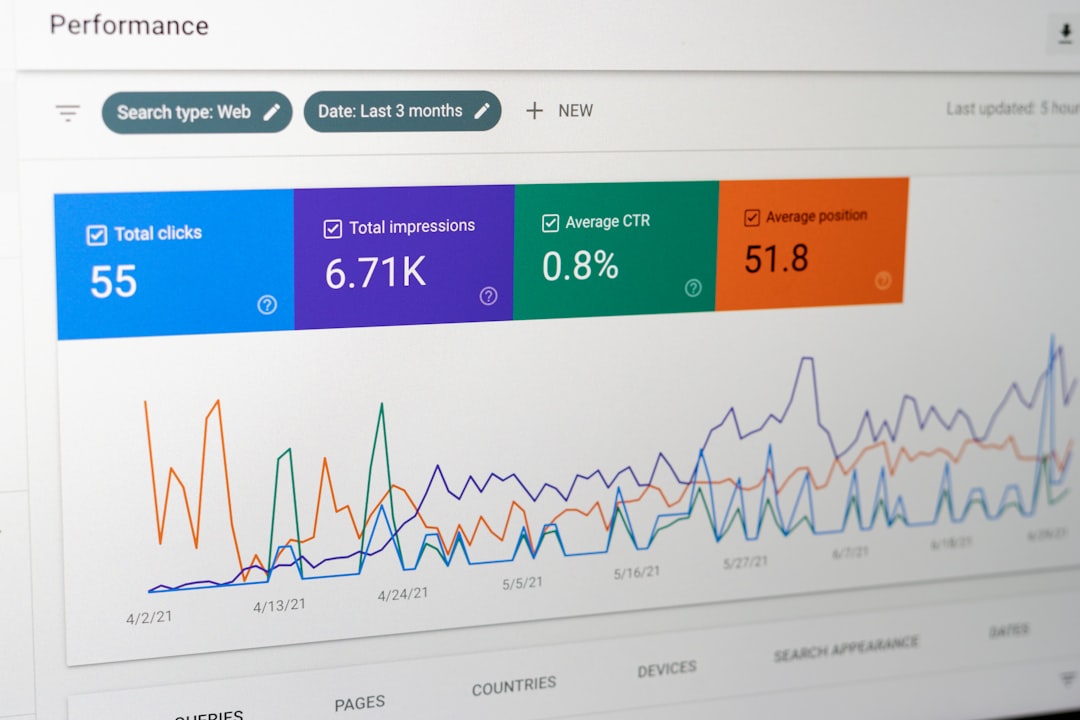
Advanced tools also provide:
- Anchor text identification
- Source page detection
- Status code categorization
- Exportable reports for teams
- Integration with analytics platforms
This systematic overview allows SEO professionals and web administrators to prioritize corrective actions with accuracy and speed.
Internal vs. External Broken Links
Not all broken links are equal. Understanding the distinction helps determine urgency and resolution strategy.
Internal Broken Links
These are links that lead to pages within your own domain. They are particularly dangerous because:
- They directly disrupt site architecture.
- They prevent search engines from indexing deeper pages.
- They break user navigation pathways.
Internal errors often occur due to deleted pages, URL restructuring, migration mistakes, or CMS updates.
External Broken Links
External links point to outside domains. These may break when third-party sites change structure or remove content. While external broken links don’t damage architecture as severely, they weaken content credibility and may signal that your content is outdated.
Regular audits ensure both categories remain under control.
Core Features to Look for in a Broken Link Checker Tool
Not all tools offer the same depth. When evaluating a solution, consider the following capabilities:
- Comprehensive Crawling: Ability to scan large websites efficiently.
- Customizable Crawl Limits: Adjustable depth and speed settings.
- Real-Time Monitoring: Alerts for newly discovered errors.
- Redirect Detection: Identification of redirect chains and loops.
- Integration Capabilities: Compatibility with CMS or SEO dashboards.
- Bulk Export Function: Easy report sharing with developers.

For enterprise organizations, scalability and automation are especially critical. Smaller businesses may prioritize ease of use and affordability.
How Broken Links Impact Site Authority
Search engine algorithms assess authority through link structures. Internal links distribute value throughout the site. When those paths break, authority fragments. Pages that should rank strongly may receive diminished signals.
Additionally, broken outbound links reduce perceived editorial standards. When users repeatedly encounter outdated references, confidence erodes. High bounce rates and reduced session duration often follow—behavioral signals that further influence SEO.
Maintaining link integrity strengthens:
- Internal relevance signals
- Topical authority clustering
- User journey efficiency
- Conversion funnel continuity
The Role of Broken Link Checking in Technical Audits
Comprehensive technical SEO audits always include link validation. Alongside indexation checks, sitemap reviews, and page speed testing, broken link analysis forms a foundational pillar of structural optimization.
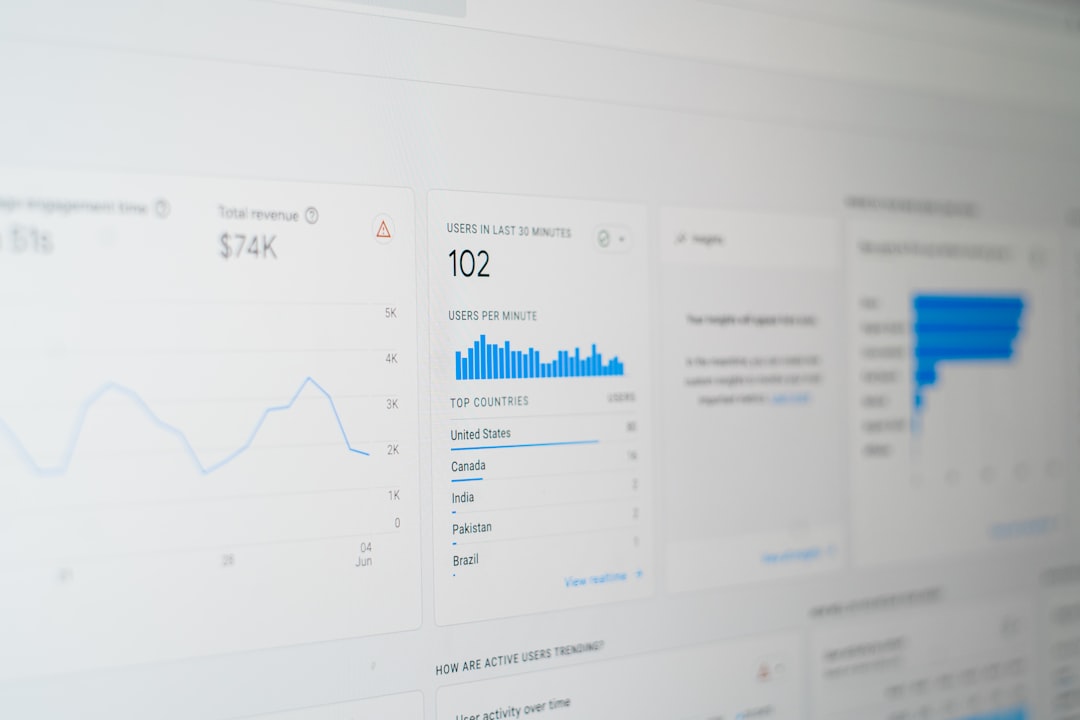
A thorough audit process typically includes:
- Full domain crawl using professional-grade software.
- Identification of 4xx and 5xx status codes.
- Verification of redirected URLs.
- Prioritization of high-traffic affected pages.
- Implementation of 301 redirects or content restoration.
- Re-crawling to confirm resolution.
This loop ensures errors are not only detected but permanently resolved.
Best Practices for Fixing Broken Links
Detection alone is not enough. Proper remediation protects your rankings.
1. Apply 301 Redirects Strategically
If a page has been removed but relevant alternative content exists, implement a 301 redirect. This preserves link equity and user flow.
2. Restore Valuable Deleted Pages
If inbound links point to deleted content with authority, consider restoring and updating it rather than discarding its value.
3. Update Internal References
Ensure links reflect current URL structures after migrations or rebranding efforts.
4. Replace or Remove Broken External Links
Substitute authoritative, active sources. If no suitable replacement exists, remove the link entirely.
5. Monitor Continuously
Implement automated weekly or monthly checks instead of one-time scans.
Frequency: How Often Should You Check?
The correct frequency depends on the size and activity level of your site:
- Small websites: Monthly audits.
- Medium content-driven sites: Biweekly scans.
- Large ecommerce or enterprise sites: Weekly or continuous monitoring.
Websites that publish frequently are naturally more prone to structural errors. The more dynamic the site, the more rigorous the schedule should be.
Broken Link Building: Turning a Problem into Opportunity
Interestingly, broken link analysis is not only defensive—it can also be proactive. Many SEO professionals use broken link tools to identify dead backlinks on other websites within their niche. They then offer replacement content, earning new links in the process.
This strategy works because:
- Website owners appreciate help fixing errors.
- Replacement content improves their site value.
- You gain high-quality backlinks.
Thus, broken link research can simultaneously fix weaknesses and build authority.
Automation vs. Manual Checking
While browsers and plugins can occasionally reveal broken links manually, this approach is inefficient for serious SEO management. Automated broken link checker tools offer:
- Scalability across thousands of pages
- Accurate status code detection
- Scheduled scanning capabilities
- Data-driven prioritization
Manual checks are suitable for small blogs. Professional websites require systematic automation.
The Long-Term SEO Impact
Consistent broken link management produces measurable long-term rewards. Clean architecture improves crawl efficiency. Improved crawl efficiency enhances indexing. Better indexing strengthens search visibility.
Over time, disciplined link maintenance contributes to:
- Higher organic rankings
- Improved domain authority signals
- Better user engagement metrics
- Stronger brand credibility
These improvements compound. Minor technical discipline today prevents major ranking losses tomorrow.
Conclusion
Broken link checker tools are not optional utilities—they are essential components of modern SEO governance. Websites evolve constantly through content updates, product changes, and structural redesigns. Each change presents the risk of creating silent errors that degrade performance.
A serious approach to SEO demands continuous vigilance. Broken links interrupt authority flow, weaken user confidence, and waste crawl budget. Reliable detection tools restore structural integrity and reinforce search engine trust. When incorporated into routine audits, they safeguard both rankings and reputation.
In a digital environment defined by precision and competition, maintaining flawless link architecture is not merely maintenance—it is strategic advantage.