As energy costs climb and environmental awareness grows, more homeowners are turning to home energy monitoring software to better understand and control their electricity usage. These digital tools provide real-time insights into how much power your household consumes, which appliances are using the most energy, and where you can cut back to save money. With smart meters, connected devices, and intuitive dashboards, managing home energy has never been more accessible—or more important.
TLDR: Home energy monitoring software allows homeowners to track electricity consumption in real time and identify energy-hungry appliances. By using smart meters and connected sensors, these systems provide actionable insights that can reduce utility bills and improve efficiency. They also support sustainability goals by lowering overall energy use. With easy-to-read dashboards and automation features, monitoring your home’s power has become both simple and impactful.
What Is Home Energy Monitoring Software?
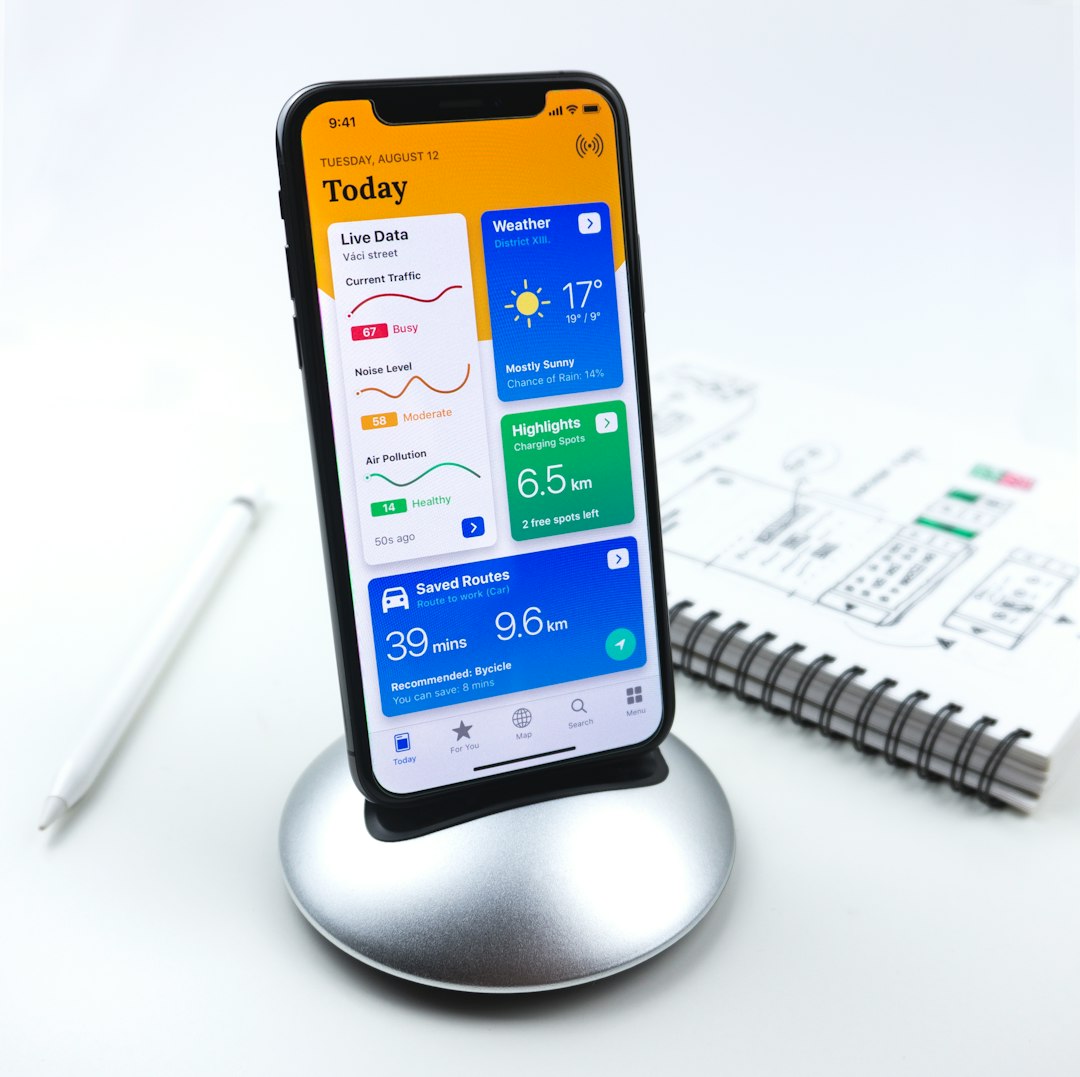
Home energy monitoring software is a digital platform—often connected to a physical device installed in your electrical panel—that tracks and analyzes your household’s electricity consumption. The software translates raw energy data into understandable information, presenting it through charts, graphs, alerts, and recommendations.
Depending on the system, you can monitor:
- Whole-home electricity usage
- Individual appliance consumption
- Real-time versus historical data
- Peak demand periods
- Estimated utility costs
Most platforms are accessible through mobile apps or web dashboards, allowing homeowners to review data anytime and anywhere.
How It Works
At the core of most systems is a sensor device installed in your electrical panel. This device measures electrical current flowing through circuits and sends data to cloud-based software for processing and visualization.
The process generally works like this:
- Sensors detect electrical flow at the breaker panel.
- Data is transmitted securely to cloud servers.
- The software analyzes consumption patterns.
- Information is displayed in user-friendly charts and reports.
More advanced systems use machine learning to identify individual appliances based on their energy signatures. For example, your refrigerator, washing machine, and HVAC system each draw power in distinct patterns. Over time, the software learns to differentiate and label them automatically.
Key Benefits of Monitoring Electricity Usage
1. Lower Utility Bills
One of the biggest advantages of energy monitoring software is the ability to reduce monthly electricity costs. When homeowners can see exactly how much energy they’re using—and when—they’re more likely to adjust their habits.
For instance:
- Running appliances during off-peak hours
- Unplugging idle electronics
- Adjusting thermostat settings
- Replacing outdated appliances
Even small behavioral changes can result in noticeable savings over time.
2. Identifying Energy Vampires
Many devices consume electricity even when turned off. These so-called phantom loads or energy vampires include televisions, gaming consoles, chargers, and kitchen appliances left plugged in.
Monitoring software highlights constant background loads, helping you identify these stealthy energy drains. Once spotted, you can use smart power strips or simply unplug unused devices to reduce unnecessary waste.
3. Improved Appliance Maintenance
Energy monitoring software can also act as an early warning system. A sudden spike in power usage from an HVAC system or refrigerator may indicate a mechanical problem. Detecting inefficiencies early can prevent costly repairs and extend appliance lifespan.
4. Enhanced Sustainability
Reducing electricity consumption isn’t just good for your wallet—it’s good for the planet. By optimizing usage and minimizing waste, homeowners can lower their carbon footprint and contribute to broader environmental goals.
This is especially valuable for households using renewable energy systems such as solar panels. Monitoring software can show:
- Solar energy production versus household consumption
- Grid export and import levels
- Battery storage performance
Important Features to Look For
Not all energy monitoring systems offer the same functionality. When choosing a platform, consider these critical features:
Real-Time Monitoring
The ability to see live electricity usage allows you to test immediate changes—like turning off lights—and instantly observe the impact.
Appliance-Level Tracking
Systems with device recognition provide more detailed insights, enabling precise energy management.
Custom Alerts
Notifications for unusual spikes or excessive consumption help you react quickly to issues.
Cost Calculation
Some platforms integrate your local utility rates, converting kilowatt-hours into actual dollar amounts for better financial clarity.
Integration With Smart Home Devices
Seamless compatibility with smart thermostats, lighting systems, and home automation platforms can automate efficiency improvements.
Understanding Energy Data: What the Metrics Mean
To get the most from monitoring software, it helps to understand common energy metrics:
- Kilowatt-hour (kWh): A unit of energy equal to using 1,000 watts for one hour.
- Watt (W): A measure of power at a specific moment.
- Baseline load: The minimum amount of electricity your home consistently uses.
- Peak demand: The highest level of power consumption at a given time.
By tracking peak demand, you can avoid running multiple high-energy appliances simultaneously. Lowering peak usage may even reduce demand charges in areas where utilities apply time-based pricing.
Practical Strategies for Reducing Electricity Usage
Once you’ve gathered energy usage data, the next step is acting on it. Here are practical approaches supported by monitoring insights:
Shift Usage to Off-Peak Hours
If your utility provider uses time-of-use billing, schedule dishwashers, laundry machines, and electric vehicle charging during cheaper off-peak periods.
Upgrade Inefficient Appliances
Old refrigerators, water heaters, and HVAC systems can consume far more electricity than modern energy-efficient models. Monitoring software helps justify upgrade investments by showing potential savings.
Optimize Heating and Cooling
Heating and cooling often account for the largest share of electricity usage. Programmable thermostats, improved insulation, and regular maintenance can significantly reduce demand.
Monitor Seasonal Changes
Energy usage naturally fluctuates throughout the year. Comparing seasonal trends helps you prepare for high-consumption months and adjust accordingly.
Privacy and Security Considerations
Because home energy monitoring systems collect detailed household data, security is an important consideration. Reputable providers use encrypted data transmission and secure cloud storage. Before purchasing, review privacy policies to understand:
- How your data is stored
- Who has access to it
- Whether information is shared with third parties
Choosing a trusted manufacturer ensures your monitoring efforts enhance convenience without compromising security.
The Future of Home Energy Monitoring
The evolution of smart homes is closely tied to advancements in energy monitoring. Emerging trends include:
- AI-driven recommendations that suggest customized efficiency improvements
- Automated load balancing to prevent overloads and manage peak demand
- Grid-interactive homes that respond dynamically to real-time energy prices
- Expanded integration with electric vehicle charging systems
In the coming years, homes may automatically communicate with utility providers to optimize energy use based on grid conditions. This not only reduces costs but also supports overall grid stability.
Is Home Energy Monitoring Worth It?
For many households, the answer is yes. While systems require an upfront investment, the combination of reduced energy bills, improved appliance performance, and enhanced environmental responsibility often delivers strong long-term value.
Energy awareness fundamentally changes behavior. When homeowners gain visibility into their electricity consumption, waste becomes obvious—and easier to eliminate. Instead of guessing where power goes, you gain measurable insights that guide smart decisions.
Ultimately, home energy monitoring software transforms electricity from an abstract monthly bill into tangible, actionable data. With real-time tracking, intuitive reporting, and growing smart home integration, managing your home’s power consumption becomes not just efficient—but empowering.
As energy demands continue to rise worldwide, the ability to monitor and optimize electricity usage will shift from being a luxury to a necessity. Investing in the right monitoring platform today prepares your home for a smarter, more sustainable tomorrow.