Build your DIY affiliate program only after you can track clicks, sales, commissions, and payouts without guesswork. A simple program with 20 reliable partners can beat a messy one with 500 inactive signups. Start small, pay on time, and make promotion easy.
TLDR: A DIY affiliate program works best when you use clear rules, simple tracking, fair commissions, and steady communication. For example, a small online course brand could recruit 30 niche bloggers, offer a 25% commission, and aim for 10 sales per affiliate per quarter. If the course sells for $120, that could bring in $36,000 in gross sales, with $9,000 paid to affiliates. The key is not more affiliates; it is better affiliates who actually send buyers.
What a DIY Affiliate Program Really Means
A DIY affiliate program means you build and manage your own partner sales system instead of handing it to a full-service agency. Affiliates promote your product using links, codes, content, email lists, videos, or social posts. You pay them when their referrals convert.
This model can work for ecommerce stores, SaaS tools, digital courses, paid communities, B2B services, and subscription boxes. The appeal is clear. You only pay for results. The catch is that tracking errors, vague rules, and late payments can wreck trust fast.

Step 1: Set a Clear Goal
Do not start by asking, “How many affiliates can we get?” Ask what you want them to achieve.
- Revenue growth: More sales from referral traffic.
- Brand reach: More mentions from creators and publishers.
- Lead generation: More trial signups, demos, or email subscribers.
- Customer education: More reviews, tutorials, comparisons, and use cases.
Your goal shapes everything else. A SaaS company may pay for qualified trials. A skincare brand may pay only on confirmed orders. A course creator may reward both sales and high-quality webinar registrations.
Step 2: Choose Your Commission Structure
Your commission must be attractive, but it cannot destroy your margins. Run the math before you announce anything.
Common options include:
- Percentage commission: For example, 10% to 40% per sale.
- Flat fee: For example, $25 for each paid customer.
- Recurring commission: Useful for subscriptions, such as 15% monthly for one year.
- Tiered rewards: Higher rates after an affiliate hits a sales target.
- Bonus payments: Extra cash for launch weeks or seasonal campaigns.
If your product has a 70% gross margin, you have room to offer more. If your margin is 25%, be careful. Also factor in refunds, payment fees, discounts, and customer support costs. It drives me crazy when brands copy a competitor’s 50% commission without checking if they can afford it.
Step 3: Pick the Right Tracking Setup
You need software that creates referral links, tracks conversions, records commissions, and supports payouts. Many ecommerce platforms and payment tools have affiliate add-ons. You can also use standalone affiliate software.
Look for these basics:
- Custom referral links for each affiliate.
- Coupon code tracking for creators who sell through video or audio.
- Cookie duration settings, such as 30, 60, or 90 days.
- Fraud checks for self-referrals and fake orders.
- Refund handling so commissions adjust after returns.
- Affiliate reporting with clicks, orders, revenue, and conversion rate.
Expect some annoying setup work. One affiliate platform may take 10 extra seconds to load reports. Another may hide payout settings three screens deep. Test the whole flow yourself before inviting partners.
Step 4: Write Simple Program Rules
Your affiliate terms should be short, plain, and firm. Affiliates need to know what is allowed before they spend time promoting you.
Cover these points:
- Commission rate and when it applies.
- Payout schedule, such as monthly after a 30-day refund window.
- Cookie duration and attribution rules.
- Refund policy and reversed commissions.
- Paid ad rules, especially branded keyword bidding.
- Email rules, including spam restrictions.
- Content rules, such as no false claims or fake discounts.
- Termination rules for fraud or abuse.
Keep the tone professional. You do not need legal sludge on every line. You do need enough detail to prevent messy disputes.

Step 5: Recruit Affiliates Who Fit Your Buyers
The best affiliates already talk to your ideal customers. They may be bloggers, newsletter writers, YouTubers, consultants, podcasters, community owners, review site editors, or happy customers.
Start with a shortlist of 50 to 100 people. Check their content, audience, tone, and trust level. Avoid partners whose pages are stuffed with random coupons and thin reviews. Cheap exposure can get expensive when it brings refund-heavy buyers.
Send a short outreach message:
“Hi Jamie, I liked your guide on home office gear. We sell ergonomic desk accessories and think your readers would be a strong fit. Our affiliate program pays 18% per sale, with a 45-day cookie and monthly payouts. Would you like a sample kit and partner details?”
That works better than a generic pitch. Show that you know their audience. Give them a reason to care.
Step 6: Create a Useful Affiliate Kit
Affiliates promote faster when you remove friction. Do not make them hunt for logos, screenshots, product facts, or approved claims.
Your affiliate kit should include:
- Product images in common sizes.
- Short brand description they can paste into content.
- Feature and benefit bullets written in plain language.
- Customer proof, such as reviews, ratings, or case studies.
- Email swipe copy for newsletters.
- Social captions for quick posts.
- Comparison notes for review content.
- Discount code details, if available.
Update the kit often. Old screenshots and expired offers make affiliates look careless, even when the mistake came from you.
Step 7: Manage Payouts Without Drama
Nothing kills an affiliate program faster than late or unclear payments. Set a payout rhythm and stick to it. Monthly payouts are common. Many brands wait until the refund period ends before approving commissions.
Use a minimum payout threshold if needed, such as $50. This keeps tiny transfers from piling up. Share payout status in the affiliate dashboard or by email. Affiliates should not need to ask if their money is coming.
Also watch for fraud. Red flags include sudden spikes from one source, many orders from the same IP range, coupon abuse, or self-referrals. Review top performers by hand, especially during launches.
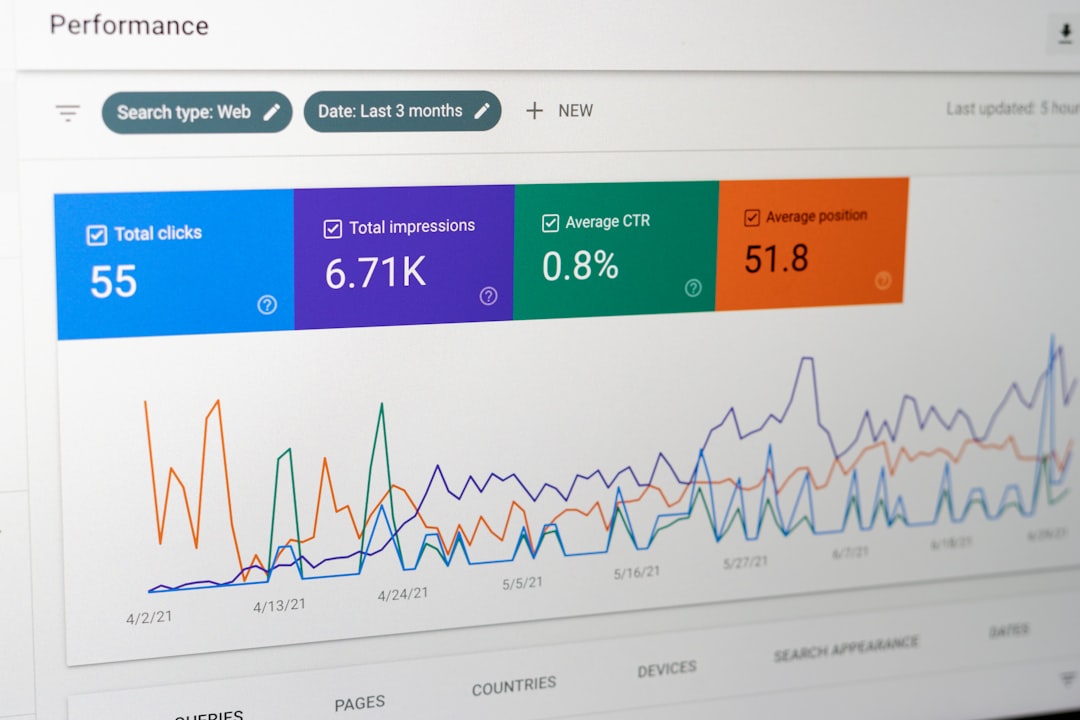
Step 8: Track the Numbers That Matter
You do not need 40 metrics. You need the ones that show whether the program is healthy.
- Active affiliates: Partners who sent clicks or sales this month.
- Click to sale conversion rate: A sign of traffic quality.
- Revenue by affiliate: Shows who deserves more support.
- Refund rate: Helps spot poor-fit promotion.
- Average order value: Shows which partners bring bigger buyers.
- Commission as a percentage of revenue: Keeps profits in check.
For example, if one affiliate sends 2,000 clicks and 10 sales, their conversion rate is 0.5%. If another sends 300 clicks and 18 sales, their conversion rate is 6%. The second partner may deserve a custom landing page, a bonus, or early access to new products.
Step 9: Keep Affiliates Engaged
Most affiliates will not promote you every week. They are busy. They forget. Sometimes your offer gets buried under ten others.
Send useful updates once or twice a month. Include new offers, fresh angles, seasonal hooks, best-selling products, and top-performing content ideas. Celebrate wins. Share what converts. If a product page improved its conversion rate from 2.1% to 3.4%, tell them. That gives affiliates confidence to send more traffic.
You can also run short campaigns. Try a two-week bonus for top sales, a product launch sprint, or a content challenge. Keep it simple. Complicated contests create more confusion than excitement.
Common Mistakes to Avoid
- Approving everyone: Low-quality affiliates can harm your reputation.
- Changing rates without warning: This breaks trust quickly.
- Ignoring compliance: Affiliates must disclose paid relationships.
- Using weak landing pages: Good partners cannot save a bad offer.
- Paying too early: Refunds can turn profits into losses.
- Never checking content: False claims can create real problems.
When DIY Makes Sense
A DIY affiliate program is a strong choice if you have a proven product, clear margins, and someone who can spend a few hours each week managing partners. It is not passive. It needs recruiting, reporting, support, and cleanup.
Still, the payoff can be worth it. You get a sales channel built on trust, content, and partner relationships. Start with clean tracking, fair rules, and ten serious affiliates. Treat them well. Then grow from there.