Google Analytics and Semrush should be used together, not treated as substitutes, because they answer different search performance questions. Google Analytics shows what visitors do after they arrive from search. Semrush shows how a site appears in search before the click happens. One measures behavior on the site. The other measures visibility, keyword rankings, competitors, and search demand.
TLDR: Google Analytics is better for measuring organic traffic quality, while Semrush is better for measuring keyword visibility and search opportunity. For example, a retail site may see in Google Analytics that organic search drove 42,000 visits and converted at 2.8%, while Semrush shows that 18 target keywords dropped out of the top 10. A search team using only one tool would miss half the story. The best setup is Google Analytics for outcomes and Semrush for search position tracking.
What Each Tool Measures Best
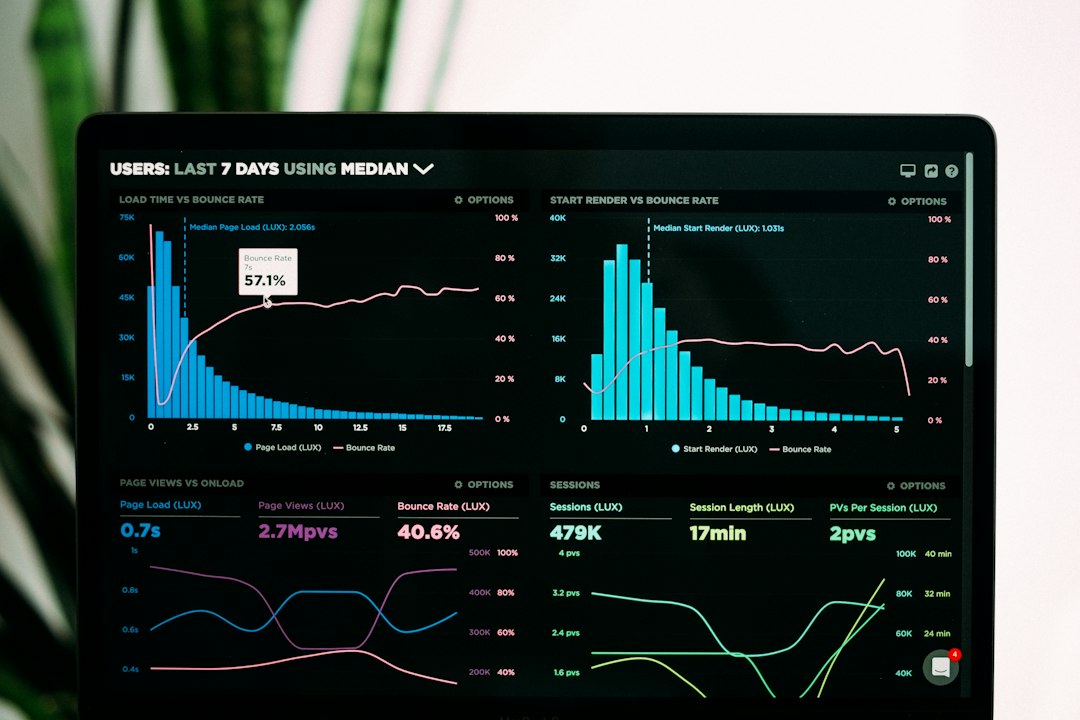
Google Analytics, especially GA4, tracks user activity on a website or app. It reports sessions, users, engagement, conversions, revenue, landing pages, and traffic sources. For search teams, its main value is showing whether organic search traffic produces business results.
Semrush tracks search engine data from outside the website. It estimates keyword rankings, search volume, organic competitors, backlinks, SERP features, and content gaps. It helps teams understand why traffic may rise or fall before that change appears clearly in analytics.
The split is simple:
- Google Analytics: What happened after the click?
- Semrush: What happened before the click?
- Google Analytics: Traffic, engagement, conversions, revenue.
- Semrush: Rankings, keyword demand, competitors, visibility.
Google Analytics for Search Performance
Google Analytics is strongest when the goal is to measure organic traffic impact. It shows how many users arrived from organic search, which landing pages they visited, and whether they completed important actions. Those actions may include form fills, purchases, newsletter signups, calls, or account creation.
A marketing manager may find that organic search delivered 31% of total users last month but produced 46% of assisted conversions. That is useful. It proves search is not just bringing traffic. It is helping the business make money.
Useful Google Analytics search metrics include:
- Organic users: The number of visitors from unpaid search results.
- Engaged sessions: Sessions where users stayed active or completed key actions.
- Conversion rate: The share of search visitors who completed a goal.
- Revenue from organic search: Sales tied to unpaid search traffic.
- Landing page performance: Which search entry pages attract and retain users.
- Attribution paths: How organic search supports conversions across multiple visits.
The catch is that GA4 can feel needlessly awkward for basic reporting. A report that took 20 seconds in Universal Analytics may take a few minutes in GA4 if custom events and dimensions are not already set up. Teams often waste time checking whether a dip came from real performance issues or tracking changes.
Semrush for Search Performance
Semrush is built for search visibility. It helps show whether a site is gaining or losing ground in Google results. This is critical because traffic alone can hide early warning signs.
For example, a site may still receive 60,000 organic visits in March, which looks stable in Google Analytics. Semrush may show that visibility fell 12% and six high-value keywords slipped from positions 3 to 8. The traffic loss may not hit hard until April. By then, recovery takes longer.
Useful Semrush search metrics include:
- Keyword rankings: Current positions for tracked terms.
- Estimated organic traffic: A model based on rankings and search volume.
- Visibility score: A high-level view of ranking strength.
- Search volume: Monthly demand for keywords.
- Keyword difficulty: Estimated competition for ranking.
- Competitor rankings: Which sites gain traffic for shared terms.
- Backlink data: Links that may support authority and rankings.
Semrush is not perfect. Its traffic numbers are estimates, not server-side truth. A report may show a competitor gaining 25% estimated organic traffic, but that does not mean the competitor actually gained that exact amount. Still, directional data is valuable. It shows patterns that Google Analytics cannot show alone.

Where Google Analytics Wins
Google Analytics wins when the question is tied to actual site behavior. It tracks real users on the owned property. If an ecommerce brand needs to know whether organic visitors bought more products after a content update, Google Analytics is the better source.
It also helps separate traffic volume from traffic value. A blog post may attract 10,000 organic visits and only produce five leads. A product comparison page may attract 900 visits and produce 54 leads. Google Analytics makes that difference visible.
Strong use cases for Google Analytics include:
- Measuring organic conversion rate by landing page.
- Comparing branded and non-branded search behavior when custom setup supports it.
- Tracking revenue from organic search.
- Finding pages with high traffic but poor engagement.
- Studying paths from first visit to final conversion.
Where Semrush Wins
Semrush wins when the team needs to plan, diagnose, or compete in search. It shows which keywords are worth targeting and which rivals are gaining visibility. It also helps explain why search traffic changed.
If Google Analytics shows a 17% decline in organic sessions, it does not automatically explain the reason. Semrush can reveal whether rankings dropped, search volume declined, competitors improved, or SERP features pushed organic results lower.
Strong use cases for Semrush include:
- Tracking target keywords across locations and devices.
- Finding keyword gaps against competitors.
- Monitoring SEO progress after content updates.
- Auditing backlinks and toxic link risks.
- Researching new content topics based on search demand.
Accuracy: Real Data vs Estimated Data
The biggest difference is data source. Google Analytics uses tracking code installed on the website. It records actual user activity, though consent settings, ad blockers, cookie limits, and setup errors can reduce accuracy.
Semrush uses third-party data models, SERP checks, clickstream sources, and keyword databases. Its numbers are best treated as estimates. They are useful for trends, comparisons, and planning, but not for final revenue reporting.
That means a director should not report Semrush traffic estimates as actual organic sessions. That number belongs in Google Analytics. Semrush should support decisions such as which page to improve, which keyword to target, and which competitor moved up.
Best Workflow for Measuring Search Performance
The strongest workflow combines both tools in a clear order. First, Semrush identifies ranking changes, keyword losses, and opportunities. Then Google Analytics checks whether those movements affected traffic, engagement, leads, or revenue.
- Track rankings in Semrush for priority keywords.
- Review organic landing pages in Google Analytics each week or month.
- Compare ranking changes with traffic changes for the same pages.
- Check conversions before calling a ranking gain successful.
- Use competitor data to find topics where rivals are taking clicks.
For example, a SaaS team may see in Semrush that its “CRM reporting software” page moved from position 11 to position 4. In Google Analytics, that same page may show organic sessions rising from 1,200 to 2,050 and demo requests rising from 36 to 71. That is a clean performance story.

Which Tool Should Search Teams Choose?
If a team can buy only one tool, the right choice depends on the job. For reporting business results, Google Analytics is the safer choice because it tracks actual website outcomes. For SEO planning and competitive research, Semrush offers far more search-specific insight.
Most serious search programs need both. Google Analytics proves value. Semrush explains visibility. When used together, they reduce guesswork and help teams act faster when rankings, traffic, or conversions shift.
FAQ
Is Google Analytics better than Semrush for SEO reporting?
Google Analytics is better for reporting actual traffic, conversions, and revenue from organic search. Semrush is better for ranking reports, keyword research, and competitor tracking.
Can Semrush replace Google Analytics?
No. Semrush estimates search visibility and traffic. It does not replace first-party website behavior data from Google Analytics.
Can Google Analytics show keyword rankings?
No, not directly. Google Analytics can show organic traffic and landing page performance, but it does not provide full keyword ranking data. Google Search Console and Semrush are better for keyword visibility.
Why do Semrush traffic numbers differ from Google Analytics?
Semrush uses estimates based on keyword rankings and search volume. Google Analytics records tracked visits on the website. The two numbers rarely match exactly.
What is the best metric for search performance?
No single metric is enough. A strong scorecard includes organic sessions, conversions, revenue, keyword rankings, visibility, and landing page engagement.