A gateway is the exit point a network uses to reach another network, usually the internet or a separate subnet. In most homes and small offices, the router performs that gateway role. The default gateway is the specific IP address a device uses when it does not know where else to send traffic.
TLDR: A gateway connects one network to another, while a default gateway is the route a device uses by default for traffic outside its local network. A router is often the physical device that acts as that gateway. For example, a laptop with IP address 192.168.1.25 may send web traffic to default gateway 192.168.1.1, which is the office router. In a 50-person office, one wrong gateway setting can cut internet access for 100% of affected devices, even if Wi-Fi still looks connected.
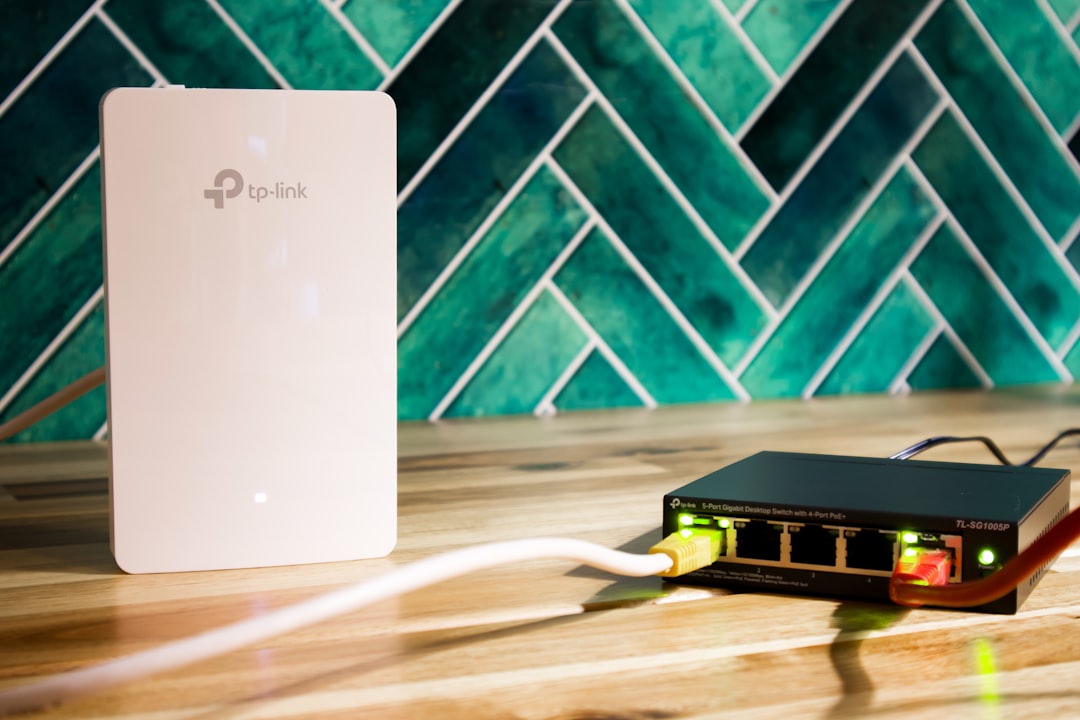
What Is a Gateway in Networking?
A gateway is a network node that passes traffic between different networks. It acts like an exit door. If a computer wants to talk to another device on the same local network, it can often do that directly. If it wants to reach a website, a cloud app, or a device on another subnet, it usually sends that traffic to a gateway.
Gateways are used in homes, offices, data centers, factories, and cloud networks. They can connect private networks to the public internet. They can also connect two private networks that use different IP ranges, security rules, or protocols.
A gateway may be a dedicated appliance, a firewall, a router, a server, or a virtual cloud service. The job stays the same: receive traffic from one side, decide where it should go, and pass it along if allowed.
What Is a Default Gateway?
A default gateway is the IP address a device uses when it has no more specific route for a destination. It is the fallback path.
For example, a desktop computer may have these settings:
- IP address: 192.168.10.44
- Subnet mask: 255.255.255.0
- Default gateway: 192.168.10.1
- DNS server: 192.168.10.1 or 8.8.8.8
If the desktop needs to contact another device at 192.168.10.80, that device is on the same local subnet. The desktop can send traffic directly. If it needs to reach 142.250.190.78, a public Google IP address, that destination is outside the local subnet. The desktop sends the traffic to 192.168.10.1, its default gateway.
The phrase sounds simple, but it causes a lot of mistakes. It drives admins crazy that a device can show full Wi-Fi signal, a valid IP address, and still fail to load any site because the default gateway is blank or wrong.
Router vs Default Gateway
A router is a device or software service that forwards packets between networks. A default gateway is an address assigned to a device as its preferred exit path. They are related, but they are not the same thing.
| Term | Meaning | Example |
|---|---|---|
| Router | Hardware or software that routes traffic between networks | A home Wi-Fi router |
| Gateway | A network point that connects one network to another | A firewall connecting a LAN to the internet |
| Default gateway | The IP address a device uses as its default route out | 192.168.1.1 |
In many small networks, the router and the gateway are the same box. The default gateway is usually the router’s LAN IP address. In larger networks, the setup can be split. A router may handle internal routes, a firewall may act as the internet gateway, and a core switch may provide the default gateway for VLANs.
Image not found in postmetaHow Network Routing Works
Network routing starts with a simple question: Is the destination local? A device checks its own IP address and subnet mask to answer that.
If the destination is local, the device uses ARP to find the destination’s MAC address and sends the frame inside the local network. If the destination is not local, the device sends the packet to the default gateway’s MAC address instead. The packet still contains the final destination IP, but the local delivery target is the gateway.
The gateway then checks its routing table. It may send the packet to an internet service provider, a VPN tunnel, another router, or a firewall rule set. Each hop repeats a similar process until the packet reaches its target or gets dropped.
This is why routing problems can appear strange. A user may reach local printers but not websites. Another user may open cloud apps but fail to access one internal server. The issue may be a missing route, a bad gateway, a firewall block, or a subnet mismatch.
Common Gateway Examples
- Home network: A Wi-Fi router uses 192.168.0.1 as the default gateway for phones, TVs, and laptops.
- Office VLAN: A Layer 3 switch uses 10.20.30.1 as the gateway for the accounting subnet.
- Cloud network: A virtual router or NAT gateway lets private servers reach the internet.
- VPN network: A VPN gateway routes remote worker traffic into company systems.
- Industrial network: A protocol gateway connects legacy equipment to an IP network.
Default Gateway vs DNS
The default gateway and DNS are often confused. They solve different problems.
DNS converts names into IP addresses. For example, it converts example.com into an IP address. The default gateway moves traffic toward that IP address when it is outside the local network.
If DNS is broken, a user may fail to open websites by name but may still reach an IP address directly. If the default gateway is broken, the device may not reach outside networks at all. That difference is useful during troubleshooting.
How to Find the Default Gateway
Most operating systems show the default gateway in network settings. On Windows, the command ipconfig lists it. On Linux and macOS, commands such as ip route, netstat -rn, or network preference panels can show it.
Common values in private networks include:
- 192.168.1.1
- 192.168.0.1
- 10.0.0.1
- 172.16.0.1
These are not guaranteed. Businesses often use custom addressing. A device should normally receive its default gateway from DHCP. Static settings should be documented, because one typo can waste 20 minutes on a problem that looks bigger than it is.
Common Gateway Problems
Gateway issues often have plain causes. A device may have no default gateway. It may have the wrong gateway for its subnet. The gateway device may be offline. A firewall may block the traffic. The routing table may point traffic to the wrong next hop.
Symptoms include:
- Local network access works, but internet access fails.
- Some subnets work, while others time out.
- VPN users connect but cannot reach internal apps.
- Devices get an IP address but cannot pass traffic beyond the LAN.
- Cloud servers cannot download updates.

Best Practices for Gateway Setup
- Use DHCP for most client devices to reduce manual errors.
- Document gateway IPs for each subnet and VLAN.
- Keep gateway addresses consistent, such as using .1 or .254 where possible.
- Monitor router and firewall health before users report outages.
- Test with ping and traceroute to confirm where traffic stops.
- Separate DNS checks from gateway checks during troubleshooting.
A gateway is a basic part of networking, but it controls a huge amount of daily traffic. When it is right, nobody thinks about it. When it is wrong, everything feels broken.
FAQ
Is a gateway the same as a router?
No. A router is a device or service that forwards traffic. A gateway is a role that connects networks. A router often acts as a gateway, but not every gateway is only a router.
What is a default gateway in simple terms?
It is the IP address a device uses to send traffic outside its own local network. It is the device’s default exit path.
Can a network have more than one gateway?
Yes. Large networks often have many gateways for different subnets, VLANs, VPNs, or cloud segments. A single device usually has one main default gateway.
What happens if the default gateway is wrong?
The device may still reach local systems, but it may fail to reach the internet or other networks. This is a common cause of “connected but no internet” complaints.
Is the default gateway always 192.168.1.1?
No. That address is common in home networks, but any valid IP in the local subnet could be used if the network is configured that way.
Does DNS traffic go through the gateway?
It depends where the DNS server is. If the DNS server is outside the local subnet, traffic goes through the default gateway. If it is local, traffic can stay inside the LAN.