Resetting network settings on an iPhone clears saved connection data so the phone can rebuild Wi-Fi, cellular, Bluetooth, VPN, and related settings from scratch. It does not delete your photos, apps, messages, contacts, or Apple ID. Think of it as pulling the plug on your iPhone’s connection memory, not wiping the phone itself.
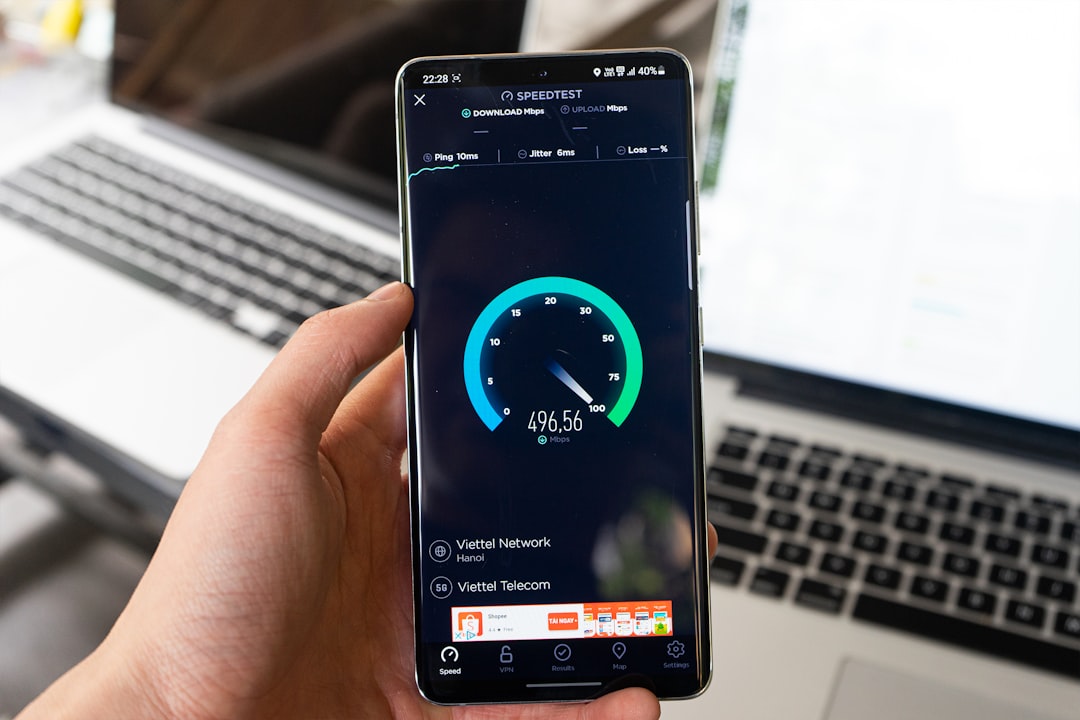
TLDR: A network reset is a safe troubleshooting step when your iPhone keeps dropping Wi-Fi, refuses to use mobile data, or will not pair cleanly with Bluetooth devices. For example, if your iPhone 15 connects to home Wi-Fi but loads pages 40% slower than another phone on the same router, resetting network settings may clear a bad saved configuration. On iPhone, it usually wipes saved Wi-Fi passwords, VPN/APN settings, cellular preferences, and Bluetooth pairings. Android does something similar, but the menu names and exact items reset vary more by brand.
What Reset Network Settings Does on iPhone
On an iPhone, Reset Network Settings removes the stored data your device uses to connect to networks and wireless accessories. It is found under:
Settings > General > Transfer or Reset iPhone > Reset > Reset Network Settings
After you confirm with your passcode, the iPhone restarts. When it comes back on, your network setup is cleaner, but less convenient. You will need to reconnect to Wi-Fi and re-pair some accessories.
Here is what usually gets removed or reset:
- Saved Wi-Fi networks and their passwords
- Cellular settings, including some carrier-related preferences
- VPN settings not installed by a company or school profile
- APN settings, if you changed them manually
- Bluetooth pairings in many cases, such as headphones, cars, and speakers
- Network preference history, such as which networks were trusted before
It does not remove your apps, camera roll, downloaded files, iCloud data, email accounts, or saved notes. Your eSIM should also remain installed, though some carrier settings may refresh after the restart.
When You Should Use It
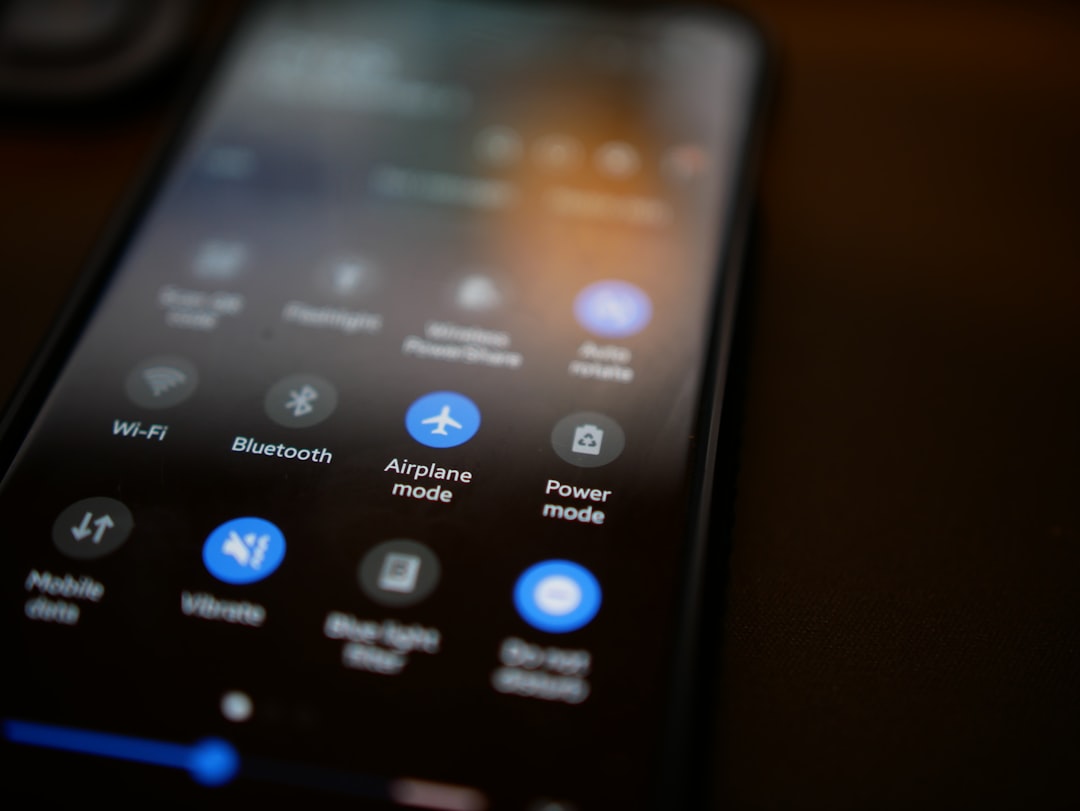
A network reset is useful when normal fixes fail. If you already toggled Airplane Mode, restarted the phone, forgot and rejoined Wi-Fi, and checked your router, this is the next sensible step.
Try it when you see problems like:
- Wi-Fi says connected, but nothing loads
- Mobile data works for some apps but not others
- Bluetooth keeps disconnecting in the car
- Your iPhone refuses to switch from Wi-Fi to 5G
- Personal Hotspot does not appear or keeps failing
- VPN apps connect, then instantly drop
- Calls over Wi-Fi keep cutting out
The catch is that you pay for the fix with time. Expect to spend a few minutes typing Wi-Fi passwords again. If your home password is printed under the router in tiny gray text, yes, that part is annoying.
What Happens Right After the Reset?
Your iPhone restarts and behaves like it has never joined your networks before. It may ask to join nearby Wi-Fi. Cellular service should return automatically after a short wait, but the signal bars may take 30 to 90 seconds to settle.
If you use Bluetooth headphones, your car stereo, a smartwatch, or a speaker, you may need to pair them again. If you use a VPN for work, open the VPN app and sign in again. If your carrier requires special APN settings, you may need to enter them manually or install a carrier profile.
Honestly, it feels like overkill when the only issue was one stubborn Wi-Fi connection. Still, it can fix strange bugs that survive smaller steps.
iPhone Network Reset vs Android Network Reset
The idea is almost the same on both platforms: erase connection settings and let the phone rebuild them. The difference is control. iPhone uses one broad network reset button. Android often splits the reset into smaller categories, depending on the phone brand and Android version.
| Feature | iPhone | Android |
|---|---|---|
| Wi-Fi passwords removed | Yes | Yes, usually |
| Bluetooth pairings removed | Often yes | Yes, if Wi-Fi and Bluetooth reset is selected |
| Mobile network settings reset | Yes | Yes, sometimes as a separate option |
| VPN settings affected | Yes, unless profile-managed | Varies by brand and VPN app |
| Apps and photos deleted | No | No |
On many Google Pixel phones, you may see options like Reset Wi-Fi, mobile & Bluetooth. On Samsung phones, the menu may offer separate resets for mobile network settings and Wi-Fi and Bluetooth settings. That extra split can be helpful. If only Bluetooth is broken, you may not have to disturb mobile data.
Which One Is Better?
Android gives more flexibility. That is handy when you want a less disruptive reset. You might reset only Wi-Fi and Bluetooth, then leave your mobile data settings alone.
iPhone is simpler. One button handles the whole network stack. This is easier for casual users, but less precise. If your only issue is a glitchy Bluetooth speaker, resetting every network setting can feel like using a hammer to fix a loose screw.
For most people, the result is similar. Both systems clear bad saved settings. Both can fix connection bugs. Both require setup afterward.
What to Do Before You Reset
Spend two minutes preparing. It can save you a headache later.
- Write down Wi-Fi passwords for home, work, and travel routers.
- Check VPN details if you use a work or school connection.
- Make sure you know your Apple ID or Google account password, just in case an app asks you to sign back in.
- Take note of custom APN settings if your carrier gave you any.
- Keep Bluetooth devices nearby so you can pair them again quickly.
If your iPhone is managed by an employer, some settings may return automatically through a profile. If not, you may need help from IT.
What It Will Not Fix
A network reset is not magic. It will not fix a broken router, a damaged iPhone antenna, a dead SIM, or a carrier outage. It also will not improve slow internet if the problem is your broadband plan or a crowded public Wi-Fi network.
Before blaming your phone, test another device on the same network. If two phones and a laptop are all slow, the router or internet provider is probably the problem. If only your iPhone struggles, a network reset makes more sense.
Best Order for Troubleshooting
Use network reset near the end, not as your first move. A smart order looks like this:
- Turn Airplane Mode on for 10 seconds, then off.
- Restart the phone.
- Forget the Wi-Fi network and rejoin it.
- Restart the router.
- Update iOS or Android.
- Reset network settings.
- Contact the carrier or device support if the issue remains.
The short answer: resetting network settings on iPhone is a safe but slightly irritating repair tool. It clears connection memory without touching personal content. Compared with Android, iPhone’s reset is simpler but less selective. Use it when connection bugs keep coming back and lighter fixes have already failed.