Employee engagement tools have moved far beyond the annual satisfaction survey. Managers now need faster signals: who feels overloaded, which teams lack clarity, and whether employees trust leadership enough to share honest feedback. Officevibe, now part of the Workleap ecosystem, is one of the better-known platforms in this space, especially for companies that want lightweight pulse surveys, anonymous feedback, and manager-friendly engagement reporting.
TLDR: Officevibe is a strong choice for small to mid-sized teams that want simple, recurring engagement surveys and clear manager dashboards without building a complicated HR analytics program. For example, a 150-person company could run weekly pulse surveys, track eNPS changes over 90 days, and identify that “recognition” dropped by 18% in one department before turnover becomes visible. It is easy to use and approachable, but larger enterprises may prefer deeper analytics or performance management suites such as Culture Amp, Lattice, or Qualtrics.
What Is Officevibe?
Officevibe is an employee engagement platform designed to help organizations measure morale, collect feedback, and guide managers toward better conversations with their teams. Its main appeal is that it turns engagement into an ongoing habit rather than a once-a-year HR event. Employees receive short pulse surveys, usually with a mix of rating questions and open-ended prompts, while leaders get dashboards that show trends across engagement drivers such as wellness, recognition, relationship with manager, alignment, feedback, and satisfaction.
The product is especially useful for organizations where managers are responsible for team health but may not have formal HR training. Instead of giving them a raw spreadsheet of survey responses, Officevibe highlights what changed, where attention is needed, and what actions might help.
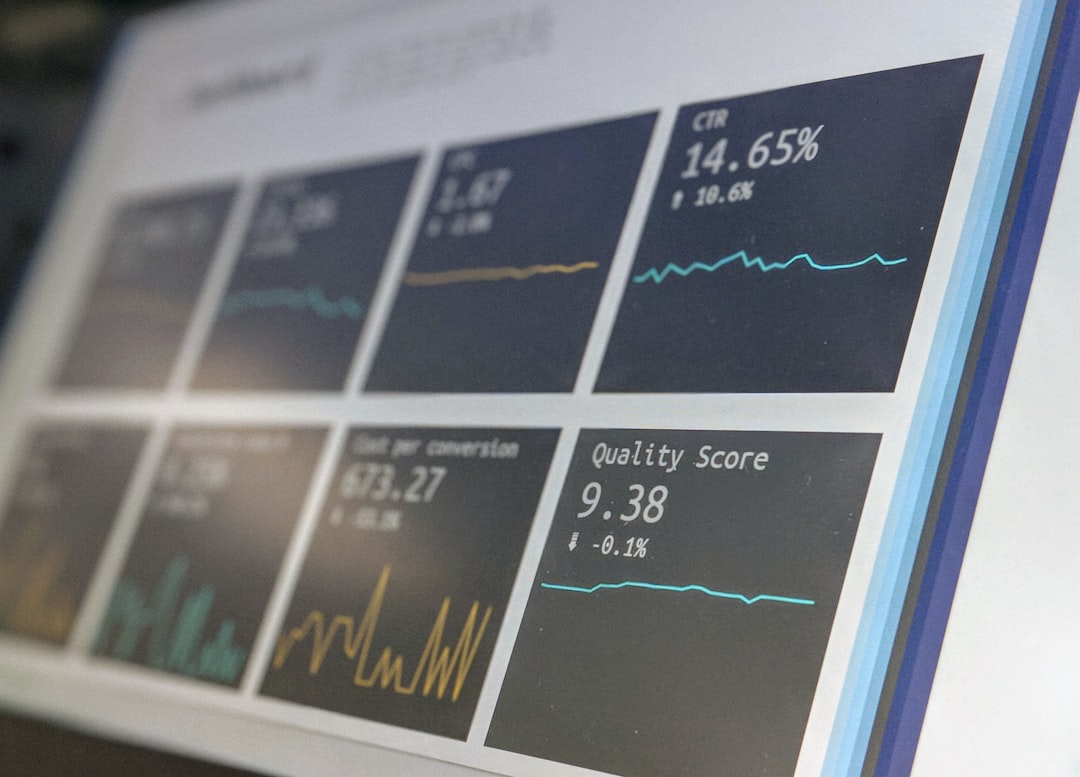
Key Employee Engagement Features
1. Pulse Surveys
Pulse surveys are the heart of Officevibe. They are short, recurring questionnaires sent to employees at regular intervals. This format helps avoid survey fatigue while still producing enough data to spot trends. Questions are typically mapped to engagement categories, so managers can see whether issues are related to workload, recognition, leadership trust, or something else.
Why it matters: a quarterly or annual survey can tell you what went wrong months ago. Pulse surveys help you notice changes closer to real time, which is valuable when teams are growing, restructuring, or adjusting to hybrid work.
2. Anonymous Feedback
Employees can share comments anonymously, which often leads to more candid input. This is one of Officevibe’s biggest strengths. In many organizations, employees hesitate to raise sensitive topics directly, especially if they involve manager behavior, unclear strategy, or burnout. Anonymous feedback gives them a safer channel.
Managers can respond to anonymous comments and start a private conversation while preserving confidentiality. This can be powerful when used well. However, it also requires maturity: companies should set expectations that anonymous feedback is for constructive dialogue, not venting without context.
3. Engagement Reporting and Scores
Officevibe translates survey responses into easy-to-read engagement scores. Dashboards show team-level results, trends over time, and areas that need attention. Rather than relying on a single overall score, the platform breaks engagement into multiple dimensions, which makes the data more actionable.
- Recognition: Do employees feel valued for their work?
- Alignment: Do people understand company goals and priorities?
- Relationship with manager: Do employees feel supported and coached?
- Wellness: Are workload and stress levels sustainable?
- Feedback: Do employees receive useful input on their performance?
This structure is useful because two teams can have the same overall engagement score for very different reasons. One team may need better recognition, while another may need clearer goals.
4. eNPS Tracking
Officevibe includes employee Net Promoter Score, or eNPS, which asks employees how likely they are to recommend the organization as a place to work. While eNPS should not be treated as the only measure of culture, it is a helpful benchmark. A sudden drop may indicate a trust issue, leadership change, or workload concern that deserves investigation.
5. One-on-One and Manager Tools
Officevibe also supports manager-employee conversations through one-on-one tools, talking points, and action suggestions. This matters because engagement data is only useful if someone acts on it. A dashboard that says “wellness is declining” is informative; a suggested conversation prompt like “What part of your workload feels least sustainable right now?” is practical.

Officevibe Pros and Cons
Pros
- Easy to adopt: The interface is clean and does not require heavy training.
- Manager-friendly: Insights are presented in a way that team leads can understand quickly.
- Strong anonymous feedback features: Employees have a safer way to raise concerns.
- Good for continuous listening: Pulse surveys create a steady flow of engagement data.
- Action-oriented: The platform encourages follow-up, not just measurement.
Cons
- Less suited for complex enterprise analytics: Large organizations may want deeper segmentation, benchmarking, and statistical tools.
- Depends on manager follow-through: If managers ignore the insights, the tool will not improve engagement by itself.
- Anonymous feedback can be challenging: Without clear norms, comments may become vague or difficult to act on.
- May overlap with HR suites: Companies already using platforms like Lattice or Leapsome may not need a separate engagement tool.
Who Is Officevibe Best For?
Officevibe is best for companies that want a practical engagement system without building a full people analytics department. It works particularly well for:
- Small and mid-sized companies with 50 to 1,000 employees
- Hybrid or remote teams that need regular sentiment checks
- Organizations training managers to have better one-on-one conversations
- HR teams that want simple dashboards and fast participation
- Companies moving away from annual-only engagement surveys
For example, imagine a 300-person software company with 25 managers. HR notices turnover rising among product teams but does not know why. By using Officevibe pulse surveys, they discover that the product department scores high on team relationships but low on alignment and recognition. Instead of launching a generic retention program, leadership can focus on clearer roadmaps, better sprint communication, and more visible recognition from senior leaders.
Best Officevibe Alternatives
1. Culture Amp
Best for: companies that want advanced engagement analytics and strong benchmarking.
Culture Amp is one of the most established employee experience platforms. It offers engagement surveys, performance tools, and extensive benchmarks across industries. Compared with Officevibe, it is generally more robust and better suited for organizations that need deeper analysis, but it may feel heavier for smaller teams.
2. Lattice
Best for: organizations combining engagement with performance management.
Lattice includes engagement surveys, performance reviews, goals, one-on-ones, and career development features. If your company wants engagement data connected directly to performance cycles and OKRs, Lattice may be a better fit. Officevibe, by contrast, feels more focused and lightweight.
3. 15Five
Best for: teams that want weekly check-ins and manager coaching habits.
15Five emphasizes continuous performance conversations, weekly updates, recognition, and engagement insights. It is a strong alternative for organizations that want employees and managers interacting with the platform frequently, not just during survey cycles.
4. Leapsome
Best for: companies seeking an all-in-one people enablement platform.
Leapsome combines engagement surveys, learning, goals, reviews, and feedback. It is more comprehensive than Officevibe and can replace several tools, but that broader scope may require more setup and change management.
5. Qualtrics Employee Experience
Best for: enterprises with advanced research and analytics needs.
Qualtrics is powerful, highly customizable, and built for large-scale employee listening programs. It can handle complex survey design, segmentation, and reporting. However, it is often more than a smaller company needs if the goal is simply to monitor engagement and help managers act.
How to Choose the Right Tool
The best engagement platform depends less on the feature list and more on how your organization will use the data. Before choosing Officevibe or an alternative, ask:
- Do managers have time and training to act on feedback?
- Do we need simple pulse surveys or advanced analytics?
- Should engagement connect to performance reviews and goals?
- How important is anonymous dialogue?
- Will employees trust the process enough to participate honestly?
If your priority is ease of use, fast implementation, and ongoing employee sentiment tracking, Officevibe is a compelling option. If you need enterprise benchmarking, performance management, or highly customized survey programs, one of the alternatives may be a stronger long-term fit.
Final Verdict
Officevibe succeeds because it makes employee engagement feel manageable. It does not overwhelm managers with excessive data, and it gives employees a simple way to share how they are doing. Its strongest value is in helping companies build a habit of listening, responding, and improving team conversations over time.
That said, Officevibe is not magic. The platform can reveal declining morale, low recognition, or weak alignment, but leaders still need to respond with visible action. For organizations ready to turn feedback into better management habits, Officevibe is a smart, accessible employee engagement tool. For companies needing deeper analytics or a broader HR suite, alternatives like Culture Amp, Lattice, Leapsome, 15Five, or Qualtrics are worth comparing.