Zoho CRM is the better fit for small businesses that want deeper control, while Freshsales is better for teams that want simple daily selling with less setup. For routine work, the choice comes down to how much process a company wants to manage. CRM tools can pay off well when used daily; Nucleus Research has reported an average return of $8.71 for every $1 spent on CRM [source: Nucleus Research].
TLDR: Zoho CRM suits small businesses with custom sales stages, strict reporting needs, and mixed teams across sales, support, and marketing. Freshsales suits lean sales teams that want calling, email, lead scoring, and pipeline views without a heavy admin burden. For example, a 6-person sales team handling 300 leads a month may save several hours each week with Freshsales automation, while a 20-person firm with layered approval rules may get more value from Zoho CRM. The best pick depends less on brand and more on how the team works every morning.
Quick Verdict for Daily Operations
Zoho CRM wins on flexibility. It gives small businesses more room to shape fields, workflows, modules, dashboards, and user roles. It works well when sales is not the only department involved. A small agency, distributor, or service company can track deals, support requests, campaigns, invoices, and customer records in one place.
Freshsales wins on speed. It feels cleaner for sales reps who live inside calls, emails, follow-ups, and deal updates. The interface is less crowded. A rep can open a lead, check activity, call the contact, send an email, and move the deal forward without digging through too many menus.
The catch is that both tools can become annoying if set up poorly. Zoho may feel overloaded when every feature is switched on. Freshsales may feel limiting when a manager wants very specific process rules or unusual reporting views.
Zoho CRM: Best for Control and Custom Workflows
Zoho CRM is strong for businesses that need more than a basic contact database. It offers lead management, sales automation, email integration, analytics, workflow rules, sales forecasting, quotes, inventory links, and wide customization.
Its biggest strength is structure. A business can create custom fields, custom modules, scoring rules, assignment rules, and approval flows. This helps teams that sell in steps. For instance, a B2B supplier may need separate fields for credit checks, delivery zones, quote validity, and partner commissions. Zoho handles that kind of detail better than many small-business CRMs.
Zoho also fits companies already using Zoho apps. Zoho Books, Zoho Desk, Zoho Campaigns, and Zoho Inventory connect well with it. That can reduce app switching. It also gives managers a fuller view of customer activity.
Still, Zoho is not perfect. Honestly, it feels like a tool that sometimes asks the user to become a part-time system admin. Simple changes can lead to more settings than expected. New users may need training before using it well. Small teams with no dedicated operations person may take longer to fix messy pipelines or duplicate fields.
Freshsales: Best for Fast Sales Activity
Freshsales, part of Freshworks, is built around sales productivity. Its layout is clean. Lead records are easy to read. Calling, email tracking, deal stages, notes, tasks, and activity history sit close together. That matters during busy sales days.
Freshsales is especially useful for teams that depend on quick outreach. Built-in phone features, email sequences, lead scoring, and pipeline views help reps act faster. It reduces the number of clicks needed to find the next step. In daily use, that small detail matters more than a long feature list.
Freshsales also has a lighter learning curve. A small team can usually get moving faster than it would with Zoho CRM. For sales managers, the visual pipeline makes coaching easier. Stalled deals are easy to spot. Missed follow-ups stand out.
The weakness is depth. Freshsales is less ideal when a company wants many custom modules or cross-department processes. It is a sales-first CRM. That is fine for many small businesses. But it may frustrate teams that want finance, operations, and support to share complex customer records inside one large system.
Ease of Use
Freshsales is easier for daily reps. It has fewer distractions. The screen gives priority to calls, emails, tasks, and deals. This makes it friendly for new hires and small teams with limited time for training.
Zoho CRM is easier for managers who want control. Once configured, it can match a business process closely. The issue is the setup. Expect to waste time on small settings if the team has no clear sales process before setup begins.
- Best for quick onboarding: Freshsales
- Best for custom setup: Zoho CRM
- Best for non-technical sales teams: Freshsales
- Best for process-heavy teams: Zoho CRM

Automation and Follow-Ups
Both platforms help automate routine tasks. They can assign leads, create tasks, send reminders, and update deal stages. For small businesses, this can reduce missed follow-ups and manual admin.
Zoho CRM offers richer workflow options. A company can build detailed rules based on lead source, deal value, region, product type, or stage. This is useful when different leads need different treatment. For example, web leads over $10,000 can go to a senior rep, while smaller deals can enter a nurture sequence.
Freshsales keeps automation more sales-focused. It is better for sequences, reminders, and lead scoring tied to rep activity. It helps salespeople know who to contact next. That makes it practical for teams that care less about complex rules and more about steady outreach.
Reporting and Pipeline Management
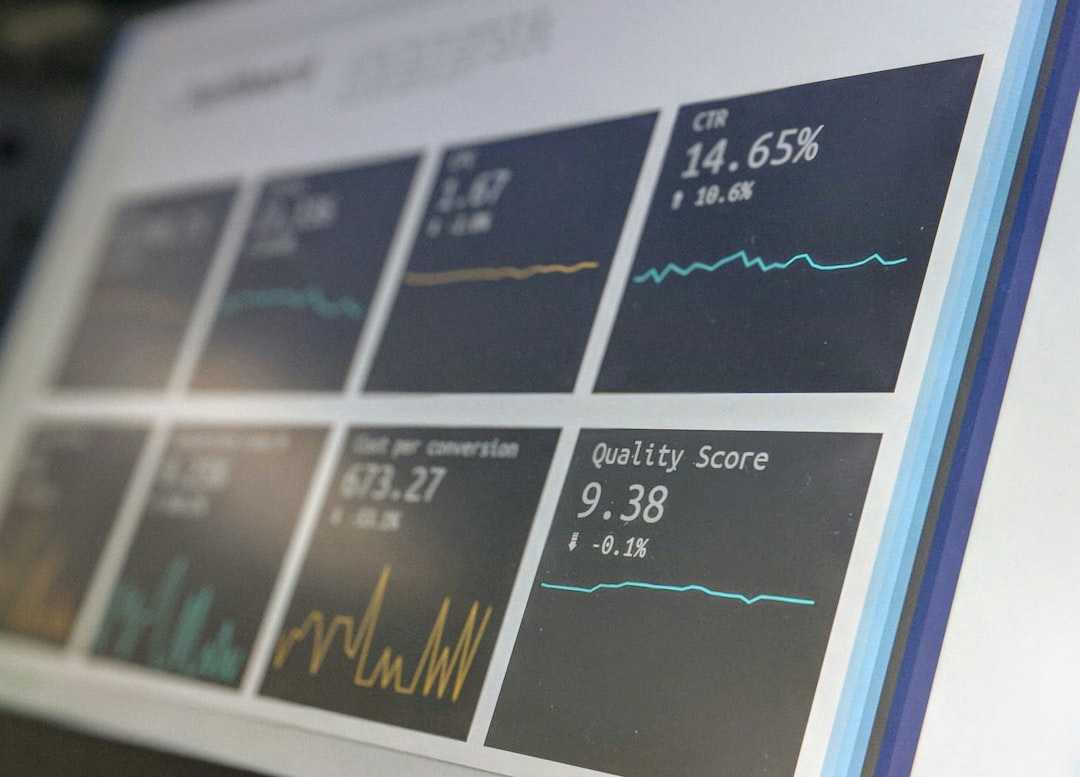
Zoho CRM offers stronger reporting for owners and managers who want detailed views. It can track performance by rep, product, lead source, territory, forecast, and campaign. Custom dashboards are a clear advantage.
Freshsales reporting is easier to read. It gives managers the basics quickly: deal value, pipeline stage, win rate, tasks, and rep activity. It may not satisfy companies with advanced reporting needs, but many small businesses do not need ten dashboard tabs. They need clear answers.
For daily operations, Freshsales often feels smoother. For monthly reviews and deeper analysis, Zoho usually has the edge.
Pricing and Value
Both tools offer plans aimed at small teams, plus higher tiers for advanced features. Zoho often stands out for broad value, especially when paired with other Zoho products. It can become a full business suite at a reasonable cost.
Freshsales is strong when the sales team wants built-in communication tools and a simpler CRM experience. Its value comes from time saved during outreach. If reps make dozens of calls and emails each day, that speed can matter more than extra customization.
Small businesses should compare the real cost, not just the monthly fee. Setup time, training, add-ons, integrations, and cleanup all count. A cheaper CRM that slows staff down is not cheap for long.
Which CRM Should a Small Business Choose?
Choose Zoho CRM if:
- The business needs custom fields, modules, and approval flows.
- Sales, support, marketing, and finance need shared customer data.
- The company already uses Zoho tools.
- Managers want detailed reports and custom dashboards.
Choose Freshsales if:
- The sales team needs a clean system for calls, emails, and follow-ups.
- Fast setup matters more than deep customization.
- The team wants visual pipelines and simple activity tracking.
- Most CRM users are sales reps, not operations staff.
For many small businesses, Freshsales is the safer first CRM. It is easier to adopt and less likely to overwhelm a small team. Zoho CRM is the better long-term system for companies with complex processes or plans to connect CRM with broader business operations.
FAQ
Is Zoho CRM better than Freshsales?
Zoho CRM is better for customization, reporting, and multi-department use. Freshsales is better for simple sales activity, fast onboarding, and daily rep productivity.
Which CRM is easier for small businesses?
Freshsales is usually easier for small sales teams. Zoho CRM may require more setup, but it gives more control once configured.
Can both CRMs handle email and follow-ups?
Yes. Both support email tracking, tasks, reminders, and automation. Freshsales feels more direct for outreach, while Zoho offers deeper workflow rules.
Which CRM is better for reporting?
Zoho CRM is stronger for custom reports and dashboards. Freshsales is easier for quick pipeline and activity reports.
Which CRM should a growing business pick?
A growing business with simple sales needs may start with Freshsales. A growing business with more complex teams, approvals, or data needs may be better served by Zoho CRM.