For brick-and-mortar businesses, foot traffic is still one of the clearest indicators of market relevance. A store can have strong products, attentive staff, and competitive prices, but if people are not walking through the door, sales opportunities remain limited. Effective local marketing is not about isolated promotions; it is about creating a consistent reason for nearby customers to notice, visit, return, and recommend the business.
TLDR: To increase foot traffic, brick-and-mortar businesses should combine strong local visibility, compelling in-store experiences, community involvement, and measurable promotions. The most reliable strategies connect online discovery with offline visits, using tools such as local search, reviews, events, loyalty programs, and partnerships. Success depends on consistency, clear tracking, and a customer experience that makes each visit worthwhile.
Start With Local Visibility
Most in-person visits now begin with an online search. A customer may search for “coffee near me,” “shoe repair open now,” or “gift shop downtown” before deciding where to go. That means local search visibility is a core part of brick-and-mortar marketing, not a separate digital concern.
Every location should maintain an accurate business profile on major search and map platforms. Review the business name, address, phone number, website, opening hours, holiday hours, services, photos, and accessibility details. Inconsistencies can reduce trust and cause customers to choose a competitor.
- Update photos regularly to reflect current displays, products, menus, and storefront appearance.
- Respond to reviews professionally, including both positive and negative feedback.
- Use local keywords naturally on your website, such as neighborhood names, nearby landmarks, and service areas.
- Publish timely updates about events, new arrivals, seasonal hours, and promotions.
Local visibility should make it easy for a potential customer to answer three questions quickly: Are you nearby? Are you open? Are you worth visiting?
Make the Storefront Work Harder
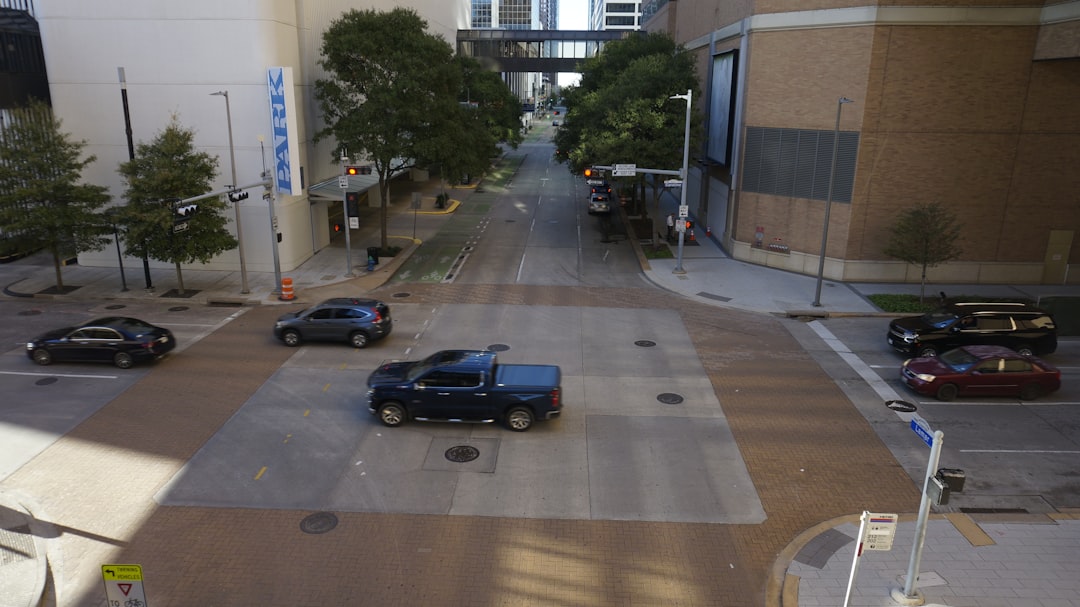
Your storefront is one of the most valuable marketing assets you have. It communicates your brand before a staff member says a word. Clean windows, clear signage, good lighting, and an inviting entrance can significantly influence whether passersby step inside.
Window displays should be treated as rotating campaigns, not decoration. Feature a focused message: a new product, a seasonal offer, a limited-time service, or a best-selling category. Avoid clutter. A strong display should be understandable in a few seconds by someone walking past.
Signage also matters. Exterior signs should be readable from a distance, while door signs should clearly show hours, payment options, and any immediate reason to enter. If your business depends on impulse visits, consider sidewalk signs where permitted. A concise message such as “New arrivals today” or “Free tasting inside” often performs better than a vague statement.
Create Reasons to Visit Now
Foot traffic increases when customers feel there is a timely reason to come in. General awareness is useful, but urgency drives action. Promotions should be specific, easy to understand, and tied to a realistic business objective.
- Limited-time offers: Weekend discounts, lunch specials, or seasonal bundles encourage immediate visits.
- New product launches: Invite customers to see, sample, or test something before it is widely available.
- In-store exclusives: Offer products, services, or pricing that customers cannot access online.
- Demonstrations: Show how a product works or how a service solves a common problem.
However, promotions should not train customers to wait only for discounts. Balance price-based offers with value-based reasons to visit, such as expert advice, personalization, availability, and a better buying experience.
Turn Events Into Foot Traffic Engines
Events are one of the strongest ways to bring people into a physical location because they create social energy and a defined moment. A good event does not need to be large or expensive. It needs to be relevant to your customers and aligned with your business.
A bookstore might host local author talks. A fitness studio could run free beginner sessions. A home goods store might offer styling workshops. A bakery could hold tasting evenings for new products. These experiences give customers a reason to visit beyond a routine transaction.
Promote events through your email list, local social media groups, posters, partner businesses, and community calendars. Collect sign-ups when possible, but also welcome walk-ins if your space allows. After the event, follow up with attendees through a thank-you message, a relevant offer, or an invitation to the next event.
Build Partnerships With Nearby Businesses
Local partnerships can help businesses reach customers who are already in the area. The best partnerships are practical, mutually beneficial, and easy for customers to understand.
For example, a florist and a café can create a weekend bundle. A salon and boutique can cross-promote special occasions. A gym and health food store can share introductory offers. Professional service providers can partner with complementary retailers to host educational sessions.
Partnerships work best when there is audience overlap without direct competition. Keep the arrangement simple: shared flyers, receipt offers, co-hosted events, loyalty perks, or neighborhood shopping maps. Track the results with unique codes or point-of-sale notes so both parties can evaluate the value.
Use Loyalty Programs to Encourage Repeat Visits
Increasing foot traffic is not only about attracting new customers. Repeat visits are often more profitable because returning customers already trust the business. A well-designed loyalty program gives people a reason to choose your location again instead of trying another option.
The program should be simple enough for staff to explain in one sentence. Complicated points systems can create friction. Punch cards, visit-based rewards, birthday perks, member-only previews, or early access to new products can all be effective.
Personalization improves results. If a customer frequently buys a particular product category, send relevant reminders or offers. The goal is not to overwhelm people with messages, but to provide timely reasons to return.
Connect Online Marketing to In-Store Action
Social media, email, and paid advertising should not merely generate likes or website visits. For brick-and-mortar businesses, they should help people take offline action. Every campaign should include clear location information and a direct reason to visit.
- Use geo-targeted ads to reach people within a practical distance of the store.
- Promote in-store pickup to convert online interest into physical visits.
- Share real photos and videos of staff, products, displays, and customers with permission.
- Send email announcements for local events, new stock, and limited availability.
Short videos can be especially effective when they show what the store experience feels like. A customer who sees a welcoming environment, knowledgeable staff, and appealing products is more likely to visit with confidence.
Improve the Customer Experience Inside the Store
Marketing brings people in, but experience brings them back. If customers encounter poor service, confusing layouts, long waits, or unavailable products, future marketing becomes less effective. Foot traffic strategies must therefore include operations.
Train staff to greet customers promptly without being intrusive. Keep aisles clear, pricing visible, and popular items easy to find. Use music, lighting, scent, and layout thoughtfully. The environment should support the brand and make customers comfortable spending time inside.

It is also wise to ask customers what brought them in. A simple question at checkout, such as “How did you hear about us today?”, can reveal which marketing activities are working. Over time, these informal insights can be combined with sales data, coupon codes, event attendance, and loyalty program activity.
Measure What Matters
Brick-and-mortar marketing should be measured with practical indicators. Foot traffic counts, transaction volume, average purchase value, repeat visit rate, promotion redemption, and event attendance all provide useful signals. If possible, compare results by day, week, campaign, and season.
A serious approach requires testing. Try one window message against another. Compare a weekday event with a weekend event. Test a discount offer against an exclusive product preview. The goal is not to guess what works, but to build evidence over time.
Conclusion
Increasing foot traffic requires more than a single advertisement or a temporary discount. The strongest results come from a disciplined mix of local visibility, attractive storefront presentation, timely promotions, community relationships, and excellent in-store service. When customers can easily find the business, understand why they should visit, and enjoy the experience once they arrive, foot traffic becomes more consistent and more valuable.