Creating compelling action figure prompts with ChatGPT is both a technical exercise and a creative craft. Whether you are designing collectibles for concept art, developing merchandise ideas, or generating character visuals with AI image tools, the quality of your prompt determines the quality of the result. Precise wording, structured descriptions, and thoughtful details transform a generic toy concept into a vivid, production-ready design. When approached methodically, ChatGPT can help you formulate prompts that are expressive, accurate, and commercially viable.
TLDR: Strong action figure prompts rely on clarity, specificity, and structured detail. Define the character’s physical attributes, pose, materials, scale, packaging, and accessories with deliberate precision. Use descriptive but focused language to avoid vague outputs. Treat the prompt as a design blueprint, not a casual idea.
Understanding the Purpose of an Action Figure Prompt
Before writing a prompt, it is essential to clarify your objective. Are you designing a realistic collectible, a stylized vinyl toy, or a mass-market children’s figure? Each category demands distinct descriptive cues. ChatGPT performs best when given context, constraints, and stylistic direction.
A strong action figure prompt typically defines:
- Character identity: Name, role, personality
- Visual design: Outfit, color palette, materials
- Pose and articulation: Static stance or dynamic movement
- Accessories: Weapons, tools, interchangeable parts
- Packaging style: Box design, branding elements
- Scale and finish: 6 inch scale, metallic paint, matte textures
Without these components, the output risks being overly generic. With them, the result becomes detailed and commercially coherent.
Start with a Clear Character Core
The most effective prompts begin with a tightly defined character concept. Avoid vague phrasing such as “a cool hero with armor.” Instead, specify the narrative essence and visual markers.
For example:
“A futuristic urban vigilante named Night Circuit, wearing matte black tactical armor with glowing neon blue circuit patterns, reinforced shoulder plating, and a high tech visor helmet.”
Notice how this description establishes:
- A memorable name
- A distinct thematic direction
- Specific visual elements
- A coherent color scheme
ChatGPT can expand minimal input into structured prompts, but the stronger your foundation, the more controlled the outcome.
Define Physical Attributes and Sculpt Detail
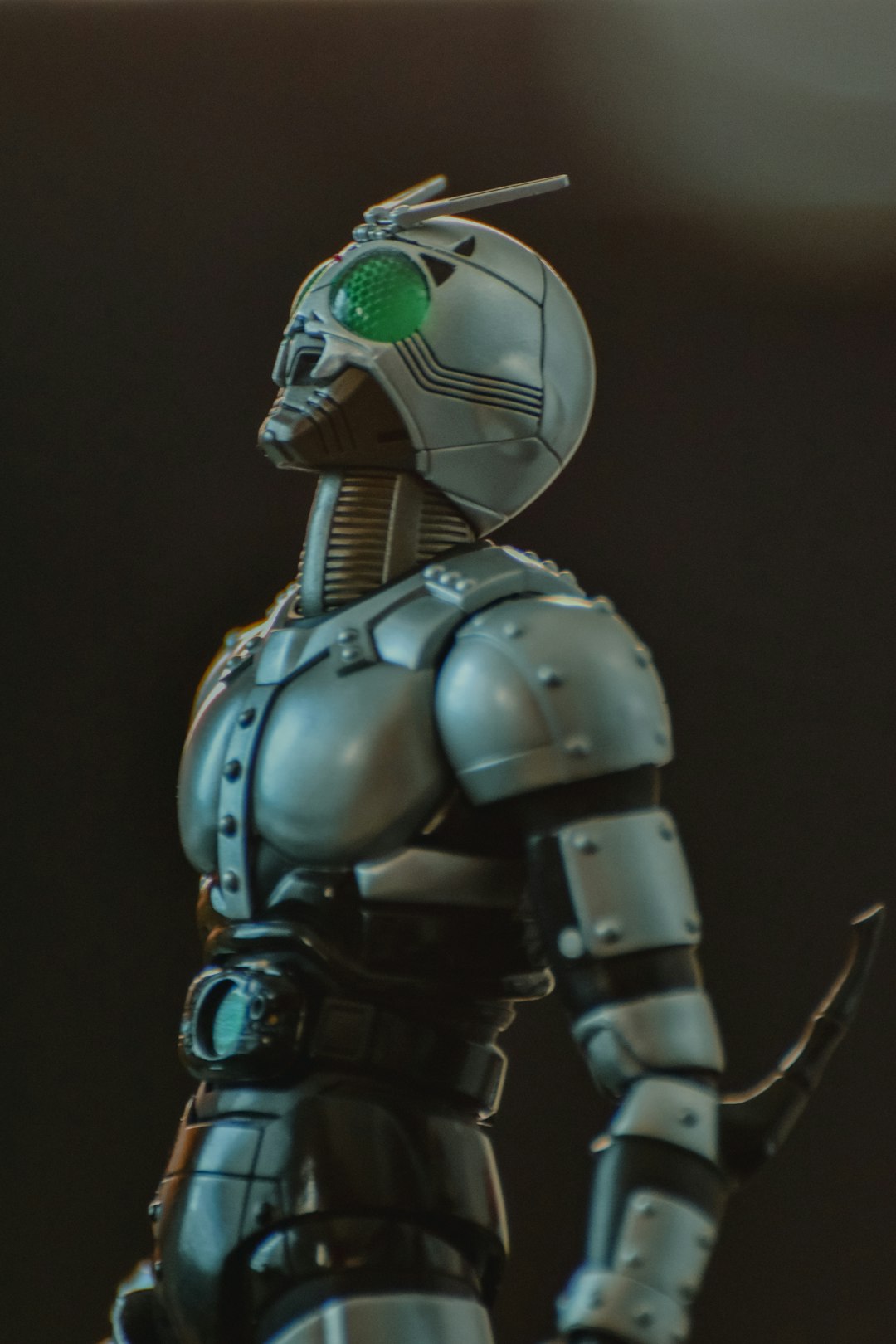
Action figures are physical objects. Therefore, your prompt must reflect dimensional reality. Specify proportions, build, facial expression, and sculpt complexity.
Effective descriptors include:
- Body type: muscular, lean, robotic, stylized cartoon proportions
- Facial detail: stern expression, battle scars, sharp jawline
- Surface texture: brushed metal armor, cracked stone skin, glossy bodysuit
- Articulation points: visible hinge joints, concealed articulation, interchangeable hands
When using ChatGPT to refine prompts, ask it to structure descriptions in layers. For instance:
“Describe the sculpted details of the armor, including surface wear, panel lines, and mechanical joints.”
This layered approach helps the AI system produce comprehensive outputs suitable for 3D modeling or advanced visualization tools.
Specify Materials and Finish
Material clarity significantly enhances realism. A professional-grade action figure prompt should indicate what the object is made of and how it appears under light.
Consider including:
- Matte ABS plastic
- Die-cast metal components
- Translucent energy effects
- Glossy or satin paint finish
- Weathered or battle-damaged detailing
A vague instruction like “shiny armor” can result in inconsistent interpretations. Instead, use precise direction: “chromed silver chest plate with subtle edge scuffing and reflective highlights.”
Clarity reduces ambiguity. Ambiguity reduces quality.
Pose and Personality Matter
An action figure prompt should communicate character attitude through pose. Action figures are rarely neutral; they project emotion and narrative through body language.
You can instruct ChatGPT to incorporate pose direction such as:
- Wide battle-ready stance
- One knee grounded sniper pose
- Arms crossed in confident leadership posture
- Mid-leap dynamic attack position
Additionally, include emotional cues:
- Confident smirk
- Intense focused eyes
- Calm strategic expression
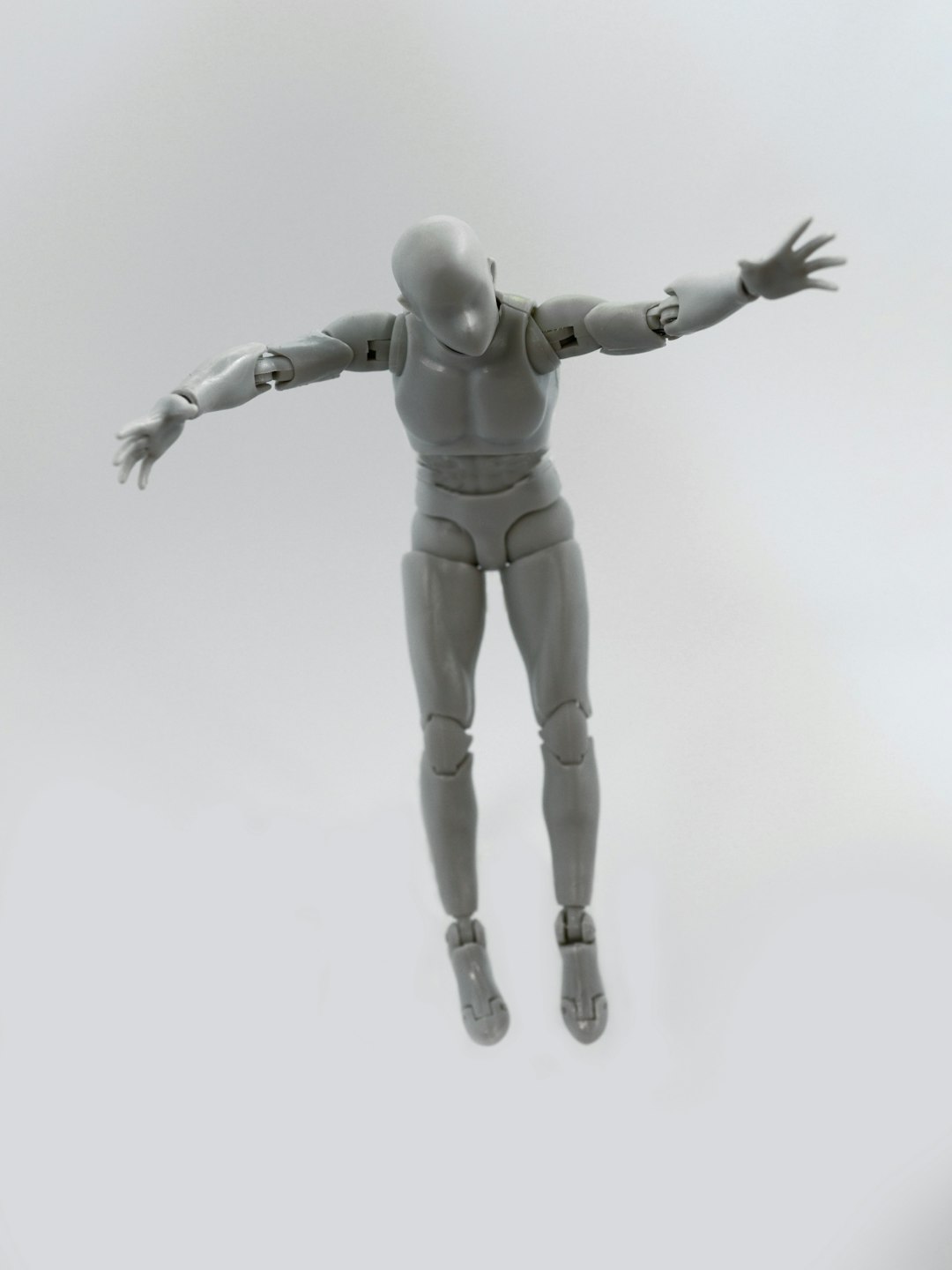
The combination of pose and personality transforms a technical description into a design narrative.
Integrate Accessories and Interchangeable Parts
Accessories define value. High-quality action figure prompts describe not only the main figure but also its supplementary components.
Examples include:
- Swappable heads with alternate expressions
- Interchangeable hands for gripping weapons
- Energy blast effects made of translucent plastic
- Weaponry with intricate panel detailing
- A display base with engraved logo
You may structure this section within your prompt, such as:
“Include the following accessories: detachable plasma rifle with glowing accents, alternate helmeted head sculpt, two open palm hands, and a transparent flight stand.”
This structured clarity ensures the result feels complete rather than conceptual.
Do Not Neglect Packaging Design
Packaging heavily influences perceived legitimacy. If the goal is to create a retail-ready concept, describe the box style in detail.
Common packaging formats include:
- Window display box
- Blister card backing
- Premium magnetic flap collector box
- Minimalist monochrome art packaging
Detail typography, graphics, and branding placement. For example:
“Packaged in a matte black window box with neon blue logo branding, character artwork printed on the side panel, and a transparent plastic display front.”
Including packaging elevates your prompt from a loose creative idea to a market-ready visual specification.
Use Structured Prompt Formatting
One of the most effective ways to create premium-quality action figure prompts is to structure them formally. ChatGPT responds well to segmented instructions.
Example structured prompt format:
- Character: Cyberpunk bounty hunter
- Scale: 6 inch collectible figure
- Materials: Matte plastic with metallic paint accents
- Clothing: Long tactical coat with holographic trim
- Pose: Standing with one hand holding plasma pistol
- Accessories: Alternate head, removable coat, display base
- Packaging: Window box with futuristic typography
This format resembles a production brief and consistently produces coherent, high-quality AI outputs.
Control Style and Tone
Different projects require different aesthetic approaches. Always specify stylistic direction.
Examples include:
- Ultra-realistic high detail collectible
- Anime-inspired stylized figure
- Minimalist designer vinyl toy aesthetic
- Retro 1980s action figure style
- Dark fantasy medieval warrior theme
Without stylistic guidance, ChatGPT may default to generic superhero tropes. Clarity in style narrows the creative bandwidth and improves accuracy.
Avoid Common Prompting Mistakes
Even experienced creators make preventable errors. The most common include:
- Overloading with conflicting details (e.g., medieval knight with cyberpunk neon laser wings and stone age weapons)
- Using vague adjectives like “awesome,” “nice,” or “cool”
- Failing to specify scale, leading to inconsistent proportions
- Ignoring material realism
The solution is disciplined clarity. Every descriptor should serve a purpose.
Refining Through Iteration
Professional-quality prompts rarely emerge perfectly in the first draft. Use ChatGPT iteratively.
You can request targeted improvements such as:
- “Enhance the realism of the armor texturing.”
- “Reduce cartoon elements and make it more cinematic.”
- “Make the packaging feel luxury collectible rather than toy aisle.”
This refinement cycle mirrors real-world product development. Treat ChatGPT as a collaborative design assistant rather than a one-step generator.
Think Like a Product Designer
The most powerful mindset shift is this: An action figure prompt is not a story. It is a specification sheet.
That means:
- Clarity over poetry
- Precision over exaggeration
- Structure over spontaneity
When you approach prompt writing with discipline and commercial awareness, the output becomes suitable for serious creative work, prototype visualization, and even pitch presentations.
Conclusion
Creating effective action figure prompts with ChatGPT demands structured thinking, descriptive precision, and iterative refinement. By clearly defining character identity, sculpt details, materials, pose, accessories, and packaging, you transform simple ideas into comprehensive design blueprints. The difference between an average output and a compelling collectible concept often lies in the specificity of your language.
When crafted professionally, action figure prompts become strategic creative tools rather than casual instructions. With careful structure and clear intent, ChatGPT can support the production of highly detailed, market-ready action figure concepts suitable for advanced visualization, branding development, and collectible design.