Most B2B teams should use Apollo.io for outbound list building and LinkedIn Sales Navigator for account research and relationship signals. Apollo is stronger when a sales team needs emails, phone numbers, filters, enrichment, and sequences in one place. LinkedIn Sales Navigator is stronger when the team needs fresher job data, buyer context, mutual connections, and intent clues inside LinkedIn’s network of more than 1 billion members [source: LinkedIn].
TLDR: Apollo.io is usually the better pick for fast B2B lead generation because it gives teams contact data, prospecting filters, and outreach tools in one workflow. LinkedIn Sales Navigator is better for finding the right people and checking whether they are still at the company. For example, a small SaaS team targeting 500 finance directors could build the list in Apollo, then use Sales Navigator to verify titles and find warm connection paths. A practical split is 70% Apollo for volume and 30% Sales Navigator for quality checks.
Which Tool Is Better for B2B Prospecting?
The better tool depends on the job. Apollo.io is built for action. It helps a sales team find contacts, export lists, enrich CRM records, and send email sequences. It is useful when the team wants meetings this month, not just research.
LinkedIn Sales Navigator is built for context. It helps sales reps search LinkedIn with better filters, save leads, track job changes, and spot shared connections. It is useful when the sale is complex and the rep needs to understand the buyer before reaching out.
The catch is that neither tool is perfect alone. Apollo can have stale or risky contact data. Sales Navigator can feel slow when a rep needs emails at scale. A page load here, a profile check there, and suddenly a simple prospecting task takes 20 minutes longer than expected.
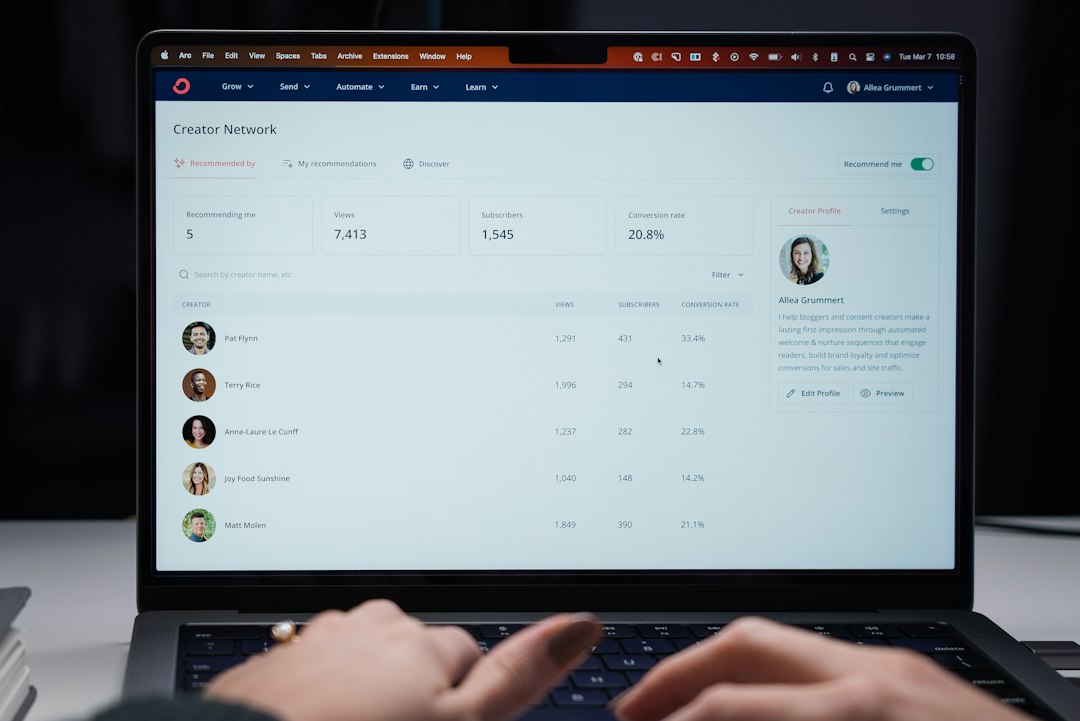
Apollo.io: Best for Building Lead Lists Fast
Apollo.io is a strong choice for teams that care about volume. It combines a contact database, company filters, enrichment, email sequencing, and analytics. A rep can search for VPs of Operations at US manufacturing companies with 100 to 500 employees, save the contacts, and push them into a campaign.
Main strengths of Apollo.io:
- Large contact database: It helps teams find names, emails, phone numbers, titles, and company details.
- Useful filters: Teams can filter by industry, headcount, revenue, location, department, job title, and technology used.
- Built-in outreach: Sales teams can create email sequences without moving into another tool.
- CRM support: Apollo can sync with popular CRMs, which reduces manual copy and paste.
- Cost control: It is often cheaper than building a stack with separate data, enrichment, and sequencing tools.
For a startup, Apollo can be the first real outbound engine. A founder can define an ideal customer profile, pull 1,000 matching contacts, test three email angles, and see which market responds. That speed matters.
Still, teams should expect data cleanup. Some emails bounce. Some contacts changed roles months ago. Some phone numbers are not useful. Honestly, it feels like the tool promises a clean list, then quietly hands sales reps homework.
LinkedIn Sales Navigator: Best for Buyer Research
LinkedIn Sales Navigator is less about bulk data and more about precision. It helps salespeople study accounts, track decision makers, and find timely reasons to start a conversation.
Main strengths of LinkedIn Sales Navigator:
- Accurate career data: LinkedIn profiles are often updated by the users themselves.
- Advanced search: Reps can filter by role, company size, geography, seniority, industry, and posted activity.
- Relationship signals: Mutual connections, shared groups, and past employers can help with warmer outreach.
- Lead alerts: Teams can track job changes, company updates, and buyer activity.
- Account mapping: It is easier to see buying committees inside target companies.
Sales Navigator works well for account-based selling. If a company sells enterprise cybersecurity software, the rep may need to reach the CIO, security director, IT operations lead, and procurement contact. Sales Navigator helps map those people and watch for trigger events.
Its weak spot is outreach at scale. It does not give the same email workflow Apollo provides. InMail can help, but response rates vary. Many buyers ignore generic InMail, especially when it sounds like a mass pitch.
Apollo.io vs. LinkedIn Sales Navigator: Key Differences
| Category | Apollo.io | LinkedIn Sales Navigator |
|---|---|---|
| Best use | Building lead lists and sending outbound emails | Researching buyers and target accounts |
| Contact data | Emails, phone numbers, company data | Profile data, job changes, activity signals |
| Outreach | Email sequences and dialing options | InMail, connection requests, profile engagement |
| Speed | Fast for bulk prospecting | Better for slower, more personal research |
| Data risk | More risk of outdated email or phone data | Less direct contact data, but strong profile accuracy |
How a Business Can Use Both Together
The strongest setup is often Apollo plus Sales Navigator. The workflow is simple. First, the team builds a list in Apollo based on firmographic and role filters. Then it checks the best accounts in Sales Navigator before sending outreach.
A practical process looks like this:
- Define the ideal customer profile. For example, B2B SaaS companies with 50 to 300 employees in North America.
- Find contacts in Apollo. Search for revenue leaders, sales operations managers, or founders.
- Clean the list. Remove weak fits, bad titles, and companies outside the target market.
- Check Sales Navigator. Confirm roles, recent posts, job changes, and shared connections.
- Write better outreach. Use LinkedIn context to avoid bland email copy.
- Track results. Measure open rates, reply rates, meetings booked, and pipeline created.
This approach keeps speed and quality in balance. Apollo supplies the list. Sales Navigator adds the human details. That mix tends to beat using either one in isolation.
Which Tool Should Different Teams Choose?
Small businesses should start with Apollo if budget is tight and outbound email is the main channel. It gives more practical sales functions in one place.
Enterprise sales teams should use Sales Navigator for account research, especially when deals involve many people. It helps reps understand who matters and when to reach out.
Agencies and lead generation firms may prefer Apollo because it handles repeatable list building. It is easier to create segmented lists for several clients.
Founder-led sales teams should use both if possible. Apollo helps create activity. Sales Navigator helps avoid embarrassing mistakes, such as emailing a person who left the company six months ago.

Best Practices for Better B2B Prospecting
- Do not buy a list and blast it. Poor targeting kills domain reputation and produces weak replies.
- Use narrow segments. A list of 300 perfect buyers beats 5,000 random contacts.
- Personalize the first line. Mention a role change, hiring plan, company news, or relevant pain point.
- Check bounced emails. High bounce rates can hurt deliverability fast.
- Track meetings, not vanity metrics. Opens are useful, but booked calls and qualified pipeline matter more.
The best lead generation system is not just a tool. It is a repeatable process. Apollo.io helps fill the top of the funnel. LinkedIn Sales Navigator helps sharpen the target. Used together, they give sales teams a better shot at reaching the right buyer with a message that does not feel copied and pasted.
FAQ
Is Apollo.io better than LinkedIn Sales Navigator?
Apollo.io is better for building contact lists and running outbound email campaigns. LinkedIn Sales Navigator is better for researching prospects and finding relationship signals.
Can a business use Apollo.io and LinkedIn Sales Navigator together?
Yes. Many B2B teams use Apollo to find contacts, then use Sales Navigator to verify roles, study accounts, and personalize outreach.
Which tool is better for startups?
Apollo.io is usually the better first choice for startups because it combines prospecting data and outreach tools. Sales Navigator becomes more useful as deals get larger and more complex.
Does LinkedIn Sales Navigator provide email addresses?
Not in the same way Apollo does. Sales Navigator focuses on LinkedIn profiles, InMail, account insights, and lead tracking rather than direct email databases.
What is the biggest mistake in B2B prospecting?
The biggest mistake is chasing too many weak leads. A smaller list of accurate, relevant prospects usually creates better replies, better meetings, and less wasted time.