Waste containers have traditionally been treated as background objects, but modern organizations increasingly recognize them as visible touchpoints in the customer, employee, and visitor experience. Logo trash cans transform ordinary receptacles into practical brand assets, combining cleanliness, sustainability messaging, and visual identity in one highly functional element.
TLDR: Logo trash cans help businesses, municipalities, campuses, and event organizers turn waste management into a branded experience. They can promote recycling, reinforce visual identity, improve wayfinding, and communicate sustainability values. Strong designs use clear logos, durable materials, readable labels, and consistent colors. The best results come from balancing creativity with practical waste-sorting needs.
Why Branded Waste Bins Matter
Every physical environment tells a story, whether intentionally designed or not. A restaurant with polished signage but mismatched trash cans may weaken its brand impression, while a retail store with custom receptacles can appear more professional and organized. Logo trash cans create consistency across customer touchpoints and show that even small operational details have been considered.
For public spaces, branded waste bins can also improve behavior. A clear logo, recognizable color system, and simple sorting instructions make disposal easier. When people quickly understand where to put paper, plastic, compost, or landfill waste, contamination rates often decrease. In this way, branding is not only decorative; it becomes a tool for better environmental performance.
The Branding Potential of Trash Cans
Trash cans sit in high-traffic areas: entrances, food courts, restrooms, sidewalks, parks, offices, lobbies, stadiums, and event venues. Because they are frequently used, they naturally receive attention. Organizations can use this visibility to reinforce identity through color, typography, iconography, material choice, and placement.
A branded trash can might display a company logo on the front panel, a municipal seal on the lid, or a university mascot near sorting labels. In hospitality environments, subtle engraving or monochrome printing may preserve an upscale atmosphere. In entertainment venues, bold graphics and playful slogans can make bins feel like part of the experience rather than an afterthought.

Creative Logo Trash Can Ideas
Strong waste management branding begins with a clear purpose. Some organizations want to create a premium look, while others want to educate the public or draw attention to sustainability initiatives. The following ideas offer practical and creative directions.
- Color coded bin systems: Each waste stream can have a distinct brand-approved color, such as green for compost, blue for recycling, and gray for landfill. A logo can appear consistently across all units, tying the system together.
- Minimalist logo placement: For luxury hotels, corporate offices, and galleries, a small embossed or printed logo can maintain elegance without overwhelming the design.
- Mascot driven labels: Schools, sports venues, and family attractions can use mascots to encourage proper disposal in a friendly, memorable way.
- Local artwork integration: Cities and public parks can invite artists to create wrap designs that include municipal branding while celebrating neighborhood culture.
- Cause based messaging: Organizations with environmental goals can pair logos with statements such as “Sorted today, cleaner tomorrow” or “Less waste, more future.”
Design Principles for Effective Logo Trash Cans
Creative branding should never compromise usability. A visually impressive bin that confuses users can lead to misplaced waste and expensive sorting problems. Designers often focus on several core principles when developing branded receptacles.
Visibility is essential. Logos and labels should be readable from a reasonable distance, especially in crowded environments. High-contrast colors help users identify bins quickly. If a logo is placed too low, blocked by foot traffic, or printed in low contrast, much of its value is lost.
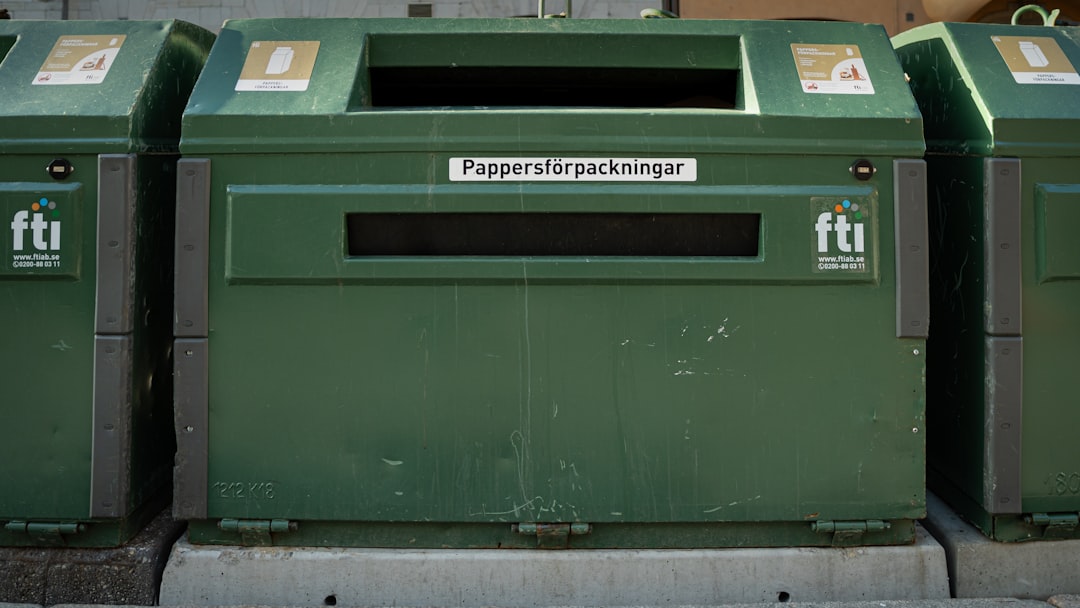
Simplicity also matters. Trash cans are usually approached for only a few seconds, so users should not need to study long instructions. Icons, short words, and intuitive openings can communicate faster than dense text. For example, a bottle-shaped opening above a recycling compartment can reinforce the label without requiring explanation.
Durability should influence every design decision. Outdoor bins face sunlight, rain, scratches, and cleaning chemicals. Vinyl wraps, powder-coated metal, UV-resistant inks, and molded labels can extend the life of the branding. Indoor bins may allow more delicate finishes, but they still need to withstand frequent handling.
Materials and Finishes That Support the Brand
Different materials create different impressions. Stainless steel bins can suggest cleanliness, modernity, and professionalism, making them suitable for airports, healthcare settings, and corporate spaces. Wood or bamboo finishes can support eco-focused branding in cafés, wellness centers, and universities. Recycled plastic bins can make sustainability visible and reinforce a circular economy message.
Finishing techniques also affect perception. A matte finish may feel contemporary and understated, while a glossy wrap can create a bold, energetic look. Laser engraving is subtle and long-lasting, whereas full-panel printing allows more colorful storytelling. The selected finish should match both the brand personality and the maintenance realities of the location.
Logo Trash Cans for Different Industries
Retail stores can use branded bins to maintain a polished customer journey. A fashion boutique may choose sleek black bins with discreet gold logos, while a grocery chain may prefer bright recycling stations that promote responsible packaging disposal. In both cases, the bin becomes part of the overall store environment.
Restaurants and cafés often benefit from clearly branded sorting stations. When customers bus their own tables, properly labeled bins reduce mess and speed up operations. A café with compostable packaging can use its bins to remind guests that sustainability is part of the brand promise.
Corporate offices can use logo trash cans to support internal culture. Recycling and compost stations with company branding can make sustainability goals more visible to employees. In shared workspaces, consistent bin design helps maintain an organized appearance across kitchens, meeting rooms, and common areas.
Municipalities and campuses have even broader opportunities. Branded public bins can improve wayfinding, reduce litter, and create a unified look across large areas. When a city seal or campus logo appears on well-maintained receptacles, the space feels more cared for and intentional.
Event Branding Through Waste Stations
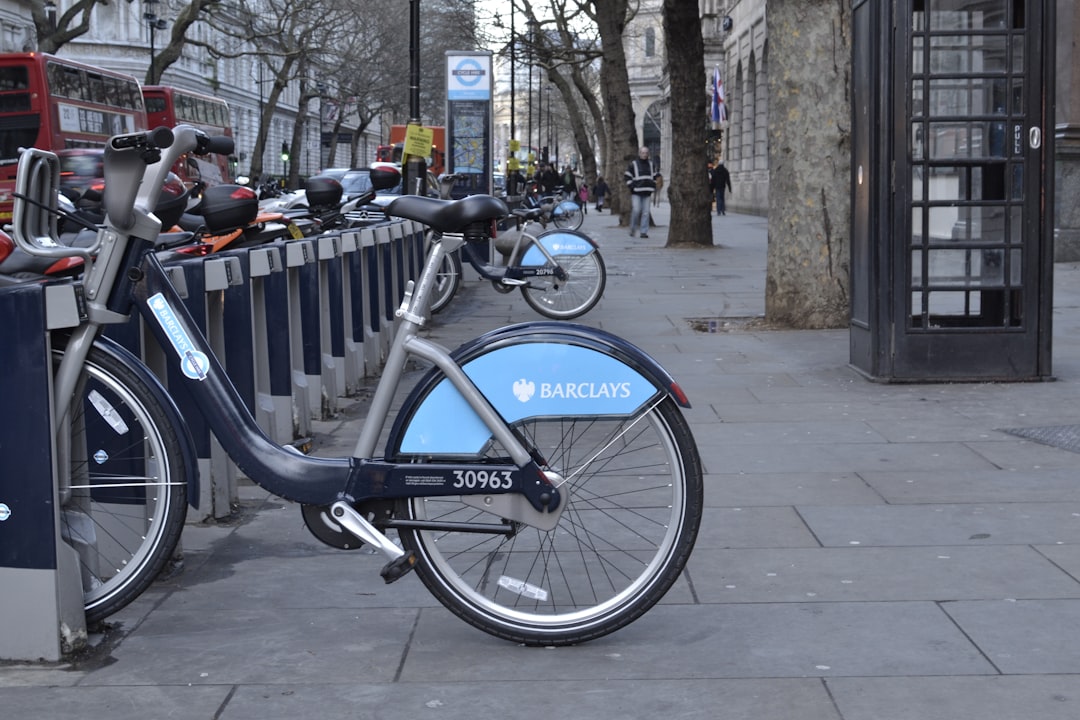
Temporary events often overlook waste areas, yet these locations are highly visible and heavily used. Festivals, conferences, trade shows, and sporting events can create branded waste stations that feel like part of the event design. Sponsor logos may appear on side panels, while event colors can guide attendees toward recycling, compost, or landfill bins.
Event organizers can also use bins for education. Short sustainability facts, QR codes, or icons showing accepted items can reduce confusion. For example, a music festival might label compost bins with images of food scraps and compostable plates, while recycling bins show cans and bottles. This approach supports cleaner grounds and reduces the burden on cleanup crews.
Using Messaging Without Creating Visual Clutter
A logo trash can should communicate quickly. Too many slogans, icons, sponsor marks, or decorative patterns can make the bin harder to use. Designers often create a hierarchy: the waste type is most prominent, the logo is secondary, and supporting messaging is optional. This hierarchy lets the receptacle function first and advertise second.
Short, brand-aligned lines can be effective when used sparingly. A gym might use “Keep the studio strong” on landfill bins and “Recycle for recovery” on bottle stations. A zoo might use animal illustrations to encourage visitors to protect habitats by disposing of waste correctly. The message should fit the setting and reinforce the organization’s larger mission.
Placement as Part of the Brand Experience
Even a beautifully designed bin can fail if it is poorly placed. Receptacles should appear where waste is naturally generated: near exits, food service areas, elevators, restrooms, and seating zones. In large venues, bins should be grouped consistently so users do not have to search for the correct option.
Placement also affects brand visibility. A row of branded bins near a stadium entrance can create a strong first impression, while coordinated receptacles in a hotel lobby can quietly support a premium atmosphere. Consistency across locations helps people recognize the system and trust that disposal options are available where needed.
Sustainability Storytelling With Logo Trash Cans
Many organizations want to be seen as environmentally responsible, but sustainability claims need visible proof. Logo trash cans can help bridge the gap between promise and practice. When recycling, compost, and landfill streams are clearly available, guests see that an organization has invested in thoughtful waste management.
Bins can also display measurable goals. A university might include a message such as “Working toward zero waste by 2030”, while a convention center might mention annual recycling achievements. These statements should be accurate and regularly updated to avoid appearing performative.
Common Mistakes to Avoid
Some branded trash can projects fail because they emphasize appearance over function. A logo that is too large may dominate the bin while the disposal instructions become hard to see. Decorative colors that conflict with standard recycling expectations can confuse users. Poorly chosen materials may fade, peel, or stain, making the brand look neglected.
Another common mistake is inconsistency. If every location uses different labels or colors, users must relearn the system repeatedly. Brand managers and facilities teams should collaborate to create guidelines for logo size, color coding, label wording, and maintenance. A consistent system saves time and protects the brand image.
Maintenance and Long Term Brand Value
Logo trash cans require ongoing care. Dirty or damaged bins can harm perception, even if the original design was excellent. Regular cleaning schedules, replacement decals, and inspection routines keep receptacles looking professional. Outdoor bins may need seasonal checks, especially after extreme weather or heavy public use.
Long-term value comes from selecting designs that can evolve. Replaceable panels allow a company to update logos after a rebrand. Modular labeling systems make it easier to add composting or specialty recycling later. When flexibility is built into the design, branded waste bins remain useful for years rather than becoming outdated quickly.
Final Thoughts
Logo trash cans show that waste management can be both practical and brand enhancing. They help organizations communicate professionalism, encourage responsible disposal, and create cleaner spaces. The strongest concepts combine clear functionality with visual identity, ensuring that the bin serves users first while still strengthening recognition.
When designed carefully, a trash can is no longer just a place for waste. It becomes a small but meaningful part of the built environment, reflecting values, guiding behavior, and supporting a more organized public experience.
FAQ
- What are logo trash cans?
- Logo trash cans are waste receptacles customized with a brand logo, color system, message, or graphic design. They are used to support branding while helping people dispose of waste correctly.
- Where are branded trash cans most useful?
- They are useful in offices, restaurants, schools, universities, parks, retail stores, hotels, event venues, airports, and municipal spaces where cleanliness and visual consistency matter.
- Should the logo be larger than the waste label?
- In most cases, the waste label should be the most visible element. The logo should support the design without making recycling, compost, or landfill instructions harder to understand.
- What materials work best for outdoor logo trash cans?
- Powder-coated metal, stainless steel, UV-resistant plastic, and durable recycled materials are common choices. Outdoor graphics should resist sunlight, moisture, scratches, and frequent cleaning.
- Can logo trash cans improve recycling rates?
- They can help when paired with clear labels, color coding, and proper placement. Branding alone is not enough, but a well-designed system can reduce confusion and encourage better sorting behavior.
- How often should branded receptacles be updated?
- They should be inspected regularly and updated when logos change, labels become worn, or waste programs expand. Replaceable decals or panels can make updates more affordable.