Canva is the safer pick for most social media teams because it is faster, easier to learn, and packed with ready-to-post templates. Adobe Express is better for creators already using Adobe tools, especially if they care about brand polish, AI editing, and tighter control over visual assets.
TLDR: Canva wins for speed, volume, and beginner-friendly social graphics. Adobe Express wins when you want cleaner brand control and useful links to Photoshop, Illustrator, Lightroom, and Adobe Stock. For example, a small coffee shop posting 5 times per week could build a month of Instagram graphics in Canva in about 2 hours, while Adobe Express may take closer to 3 hours but produce more refined branded assets. If your team values speed over precision, choose Canva; if design quality and Adobe integration matter more, choose Adobe Express.
Canva vs Adobe Express: the quick verdict
Both apps help you create Instagram posts, TikTok covers, Facebook ads, Pinterest pins, YouTube thumbnails, and story graphics without opening a heavy design program. Both offer templates, brand kits, stock photos, video tools, resize options, and AI features.
Still, they do not feel the same.
Canva feels like a content production machine. Open it, pick a template, swap text, add your logo, export, done. It is built for marketers, solo creators, teachers, coaches, and small businesses that need graphics now.
Adobe Express feels more like a simplified creative studio. It has strong templates too, but its biggest strength is how it connects to Adobe’s wider creative system. If you already pay for Creative Cloud, it becomes much more appealing.

Ease of use: Canva feels faster from the first click
Canva has one major advantage: almost anyone can use it after five minutes. The editor is clean. The template search is strong. The drag-and-drop system feels natural. You search “Instagram sale post” or “fitness carousel,” and usable designs appear right away.
Adobe Express is also simple, but it can feel slightly less instant. Some tools sit in places you may not expect. Honestly, it feels like Adobe tried to make things easy while still keeping a “real design app” vibe. That is not bad, but it adds small pauses.
For high-volume posting, those pauses matter. If you are creating 20 Instagram story slides, 8 Facebook posts, and 4 LinkedIn graphics in one sitting, Canva usually feels smoother.
Templates: Canva has more variety, Adobe has more polish
Canva’s template library is huge. You can find templates for almost every niche: real estate, food trucks, skincare brands, gyms, podcasts, churches, online courses, and local events. Some are excellent. Some look overused. That is the price of having so many options.
Adobe Express has fewer templates, but many have a more refined look. The layouts often feel cleaner and more editorial. If you want graphics that look less like everyone else’s Canva post, Adobe Express gives you a better starting point.
- Choose Canva if you need many template choices and fast edits.
- Choose Adobe Express if you prefer modern layouts with a more polished feel.
- Use your own brand kit in either app to avoid generic results.
Branding tools: both are useful, but Canva is simpler
Canva’s Brand Kit is easy to set up. Add your logo, colors, fonts, and brand photos. Then apply them across designs. Canva also lets you create branded templates for your team, which is great if multiple people are posting content.
Adobe Express also includes brand tools, and they work well. The advantage comes if your source files are already in Adobe software. You can pull in Adobe assets and keep a closer link between quick social graphics and deeper design work.
The catch is simple: Adobe Express starts to shine when you are already inside the Adobe world. If not, Canva’s brand tools may feel easier and more direct.
AI features: both are useful, but in different ways
Canva has added plenty of AI tools. You can generate images, write captions, remove backgrounds, extend images, and create quick design variations. These tools are handy for social media teams that need to produce more content with fewer people.
Adobe Express also offers AI image generation, text effects, background removal, generative fill tools, and quick editing features powered by Adobe Firefly. Adobe’s AI often feels better for visual control and image cleanup. It is especially useful when you need a product photo adjusted or a branded graphic cleaned up.
Expect to waste time on bad AI prompts in both apps. A “minimal luxury skincare Instagram post” can still produce weird hands, odd bottles, or text that looks like alphabet soup. AI helps, but it does not replace taste.
Video and animation: Canva is easier, Adobe Express is stronger for quick polish
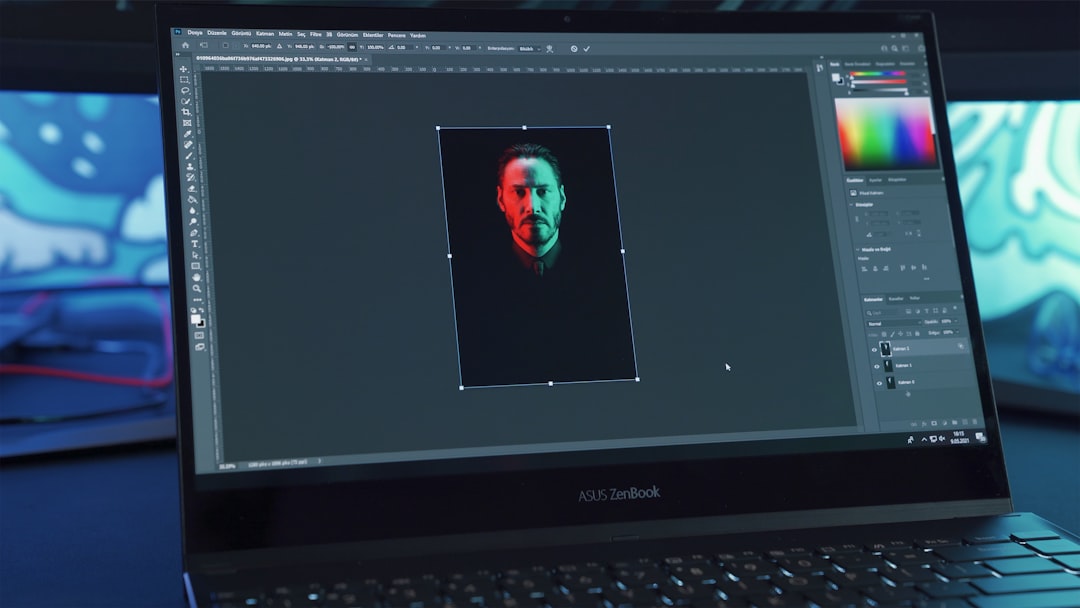
Social media is no longer just static posts. Reels covers, animated stories, short promo clips, and video ads matter. Canva handles light video editing well. You can trim clips, add music, animate text, drop in stickers, and export quickly.
Adobe Express also supports short videos and animated content. It feels especially good for branded motion graphics and simple video ads. If you need deeper video editing, Adobe Premiere Pro is the real tool, but Express does enough for many social posts.
For beginners, Canva’s video editor feels less intimidating. For Adobe users, Express may feel like a useful bridge between quick edits and more serious video work.
Collaboration: Canva is built for teams that post a lot
Canva has strong collaboration features. Team members can comment, edit, share folders, lock brand elements, and reuse templates. This is perfect for agencies, nonprofit teams, school departments, and small companies where design work gets passed around.
Adobe Express also supports collaboration, but Canva feels more mature here. It is easier to organize content calendars, campaign folders, and reusable social assets. If your team posts daily, Canva’s workflow can save real time.
Pricing: compare what you already pay for
Both apps offer free plans. Both free plans are useful, but the best features sit behind paid tiers. Canva Pro unlocks premium templates, Brand Kit features, background remover, Magic Resize, premium stock, and more storage. Adobe Express Premium unlocks premium templates, brand tools, Adobe Stock assets, advanced editing, and Firefly-powered features.
If you already subscribe to Adobe Creative Cloud, Adobe Express may be included or easier to justify. If not, Canva Pro is often the simpler choice for social media-only work.
Best use cases
Canva is best for:
- Small businesses posting several times per week
- Social media managers creating many graphics fast
- Beginners with little design experience
- Teams that need shared templates and simple approvals
- Creators making carousels, stories, ads, and thumbnails
Adobe Express is best for:
- Adobe Creative Cloud users
- Brands that want a cleaner visual style
- Designers making quick social versions of larger campaigns
- Teams using Adobe Stock, Photoshop, or Illustrator assets
- Creators who want stronger AI image editing tools

Which one should you choose?
If your main goal is to create attractive social posts quickly, choose Canva. It is the better everyday tool for speed, templates, teamwork, and low-stress editing. It fits the reality of social media: lots of posts, short deadlines, constant changes.
If your content needs a more polished brand feel, choose Adobe Express. It is especially strong when paired with Adobe’s other apps. A designer can build campaign assets in Photoshop or Illustrator, then use Express to turn them into fast social graphics.
The best choice depends on your workflow. A bakery owner making daily Instagram posts will probably be happier with Canva. A fashion brand with a designer and Adobe files may get better results from Adobe Express. Both apps are capable, but they solve slightly different problems.
Final recommendation: start with Canva if you are unsure. It gives you the fastest path from blank screen to published post. Pick Adobe Express if you already live in the Adobe ecosystem or want more refined control over your social visuals.