The best Bringg competitors to shortlist are Onfleet, DispatchTrack, FarEye, Shipsy, Tookan, and Routific, especially if your team needs tighter route planning, clearer proof of delivery, better driver tracking, or simpler pricing. This matters because the last mile can account for up to 53% of total shipping costs [source: Business Insider]. Pick the wrong platform and small delays become expensive very quickly.
TLDR: Bringg is a strong delivery management platform, but it is not always the cleanest fit for every operation. For example, a retailer handling 1,200 weekly deliveries could cut failed delivery attempts by 12% to 18% with better customer notifications and route visibility. Onfleet is strong for local delivery teams, DispatchTrack fits furniture and bulky goods, while FarEye and Shipsy suit larger logistics networks. Smaller teams may prefer Tookan or Routific because setup is usually lighter.
What to look for in a Bringg alternative
Bringg is built for serious delivery operations. That is good. It can also feel heavy if your team only needs clean routing, live tracking, and proof of delivery. Honestly, it feels like some platforms make you click through five screens just to fix one driver’s route. That gets old fast.
A good last-mile platform should help with:
- Route optimization for fewer miles and shorter shifts.
- Real-time driver tracking without messy refresh delays.
- Customer notifications by SMS, email, or app.
- Proof of delivery, including photos, signatures, and timestamps.
- Dispatch control for urgent changes during the day.
- Analytics that show cost per stop, failed attempts, and driver performance.
1. Onfleet
Best for: local delivery, food, pharmacy, retail, and courier teams.
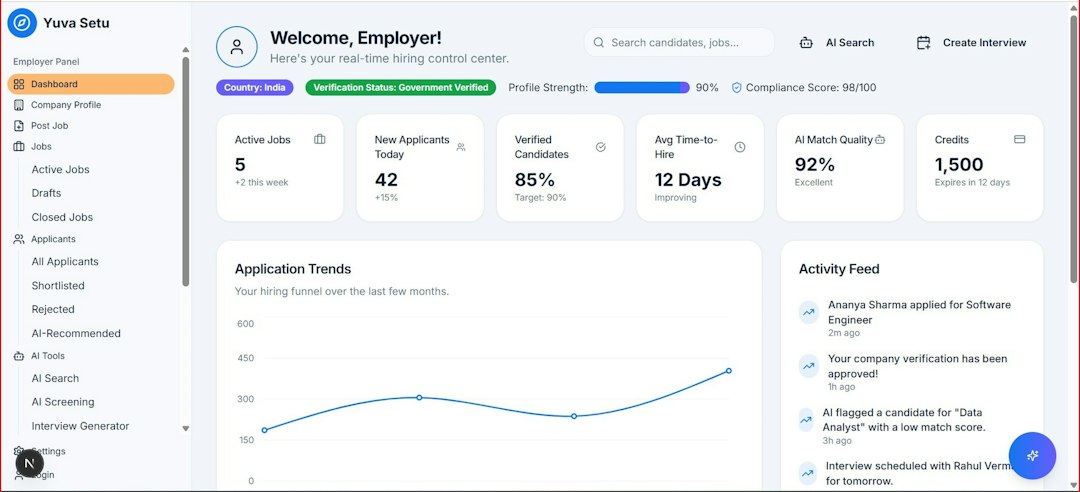
Onfleet is one of the most common Bringg alternatives for teams that want a polished last-mile tool without too much operational weight. It offers driver tracking, automated customer texts, route assignment, barcode scanning, and proof of delivery.
The interface is clean. Dispatchers can see driver status quickly. Customers get tracking links that reduce “Where is my order?” calls. That one feature alone can save support teams hours every week.
Watch out for: costs can rise as delivery volume grows. Some teams may also need extra integrations to connect all systems cleanly.
2. DispatchTrack
Best for: furniture, appliances, building materials, and scheduled home delivery.
DispatchTrack is a strong Bringg competitor for businesses that deal with bulky goods and appointment-based delivery. It focuses on routing, capacity planning, customer communication, and delivery confirmation.
This platform is useful when a missed delivery is not just annoying, but expensive. Think sofas, refrigerators, or commercial equipment. A failed stop may require two workers, a truck, and another half-day slot. That hurts margins.
Best feature: strong tools for customer appointment windows and delivery status updates.
Watch out for: it may be more system than a small courier team needs.
3. FarEye
Best for: enterprise logistics, carriers, retailers, and global delivery networks.
FarEye is built for larger companies that need deep control over fulfillment, visibility, and carrier performance. It supports last-mile delivery, returns, route planning, and customer experience workflows.
FarEye is a serious option if you work with several carriers, warehouses, or regions. It helps teams compare service levels and spot weak delivery partners before complaints pile up.
Watch out for: setup can take time. Expect planning, training, and internal process cleanup before the platform gives full value.
Image not found in postmeta4. Shipsy
Best for: large logistics firms, retailers, manufacturers, and cross-border operations.
Shipsy offers transportation management, last-mile delivery tools, freight visibility, and carrier management. It is broader than a pure final-mile tool, which makes it useful for companies that want one platform across several logistics steps.
It can help teams control delivery promises, assign orders, track fleets, and manage exceptions. That matters when customers expect tight time slots and clear updates.
Best feature: strong visibility across transport and delivery workflows.
Watch out for: smaller teams may find the scope too wide if they only need route planning.
5. Tookan
Best for: small and mid-sized delivery teams, on-demand services, and field operations.
Tookan is often seen as a more affordable Bringg alternative. It includes task assignment, driver apps, tracking, proof of delivery, and customer alerts.
It works well for businesses that need to get organized quickly. That could include grocery delivery, laundry pickup, repair services, or local courier work. It is not the most advanced option on this list, but it covers the basics well.
Watch out for: reporting and advanced optimization may not satisfy larger logistics teams.
6. Routific
Best for: route planning, small fleets, recurring delivery routes, and local distribution.
Routific is focused on route optimization. It is simpler than Bringg and easier for teams that do not need a full enterprise system. If your main goal is fewer miles and better stop order, Routific deserves attention.
Drivers get clear routes. Dispatchers can adjust plans. Businesses with daily routes can reduce wasted fuel and late arrivals. It is a practical tool, not a bloated one.
Watch out for: it may not replace a full delivery management suite if you need advanced customer experience workflows or complex carrier rules.
Other tools worth checking
If you want a wider view of logistics software, a vLogistics review can help compare features and pricing from another angle. Fleet-heavy companies should also compare tools for maintenance, telematics, driver behavior, and fuel use. This guide to truck fleet management software is a useful next step.
Which Bringg competitor should you choose?
Choose based on your operation, not the longest feature list.
- Pick Onfleet if you want a polished local delivery platform.
- Pick DispatchTrack if you deliver bulky items by appointment.
- Pick FarEye if you run a large delivery network.
- Pick Shipsy if you need transport and last-mile visibility together.
- Pick Tookan if you want a lower-cost tool for dispatch and tracking.
- Pick Routific if route planning is your main pain.
Bringg is a capable platform, but it is not the only serious choice. The right competitor should reduce failed deliveries, cut manual dispatch work, and give customers fewer reasons to call support. Test at least two platforms with real routes before signing. Demo data always looks cleaner than Tuesday afternoon traffic.