Technology is evolving at an unprecedented pace, reshaping industries, redefining careers, and influencing everyday life. For professionals, entrepreneurs, and curious individuals alike, staying current with technology trends is no longer optional—it is essential. However, the sheer volume of information available can be overwhelming. A structured and disciplined approach is necessary to separate valuable insights from noise and to remain informed without sacrificing productivity.
TL;DR: Staying updated on technology trends requires a deliberate, structured approach rather than passive scrolling. Focus on reliable sources, diversify your information channels, engage with expert communities, and dedicate consistent time to learning. Combine curated news, hands-on experimentation, and strategic networking for the strongest results. Most importantly, prioritize depth over volume to avoid information fatigue.
Why Staying Updated Matters
Technology influences nearly every sector, from healthcare and finance to education and manufacturing. Being aware of emerging tools and paradigms allows individuals and organizations to operate proactively rather than reactively. Companies that fail to anticipate shifts risk obsolescence, while professionals who neglect ongoing learning may find their skills outdated.
Key benefits of staying informed include:
- Competitive advantage: Early adoption of relevant technologies can provide operational and strategic benefits.
- Risk mitigation: Awareness of security trends and regulatory changes helps prevent costly mistakes.
- Career growth: Understanding industry direction positions you for promotions, transitions, or entrepreneurial ventures.
- Improved decision-making: Contextual knowledge strengthens strategic planning.
Recognizing these benefits provides motivation, but execution requires a deliberate framework.
Curate High-Quality Information Sources
Not all technology news is equally reliable. Sensational headlines often distort reality, while opinion pieces may exaggerate predictions. Prioritizing credible, research-backed sources is critical.
Focus on a balanced mix of:
- Established technology publications known for editorial integrity.
- Academic journals and research papers for deeper technical insights.
- Industry reports produced by respected research firms.
- Official company blogs for direct announcements and product updates.
- Government and regulatory updates for compliance-related developments.
Rather than browsing randomly, create a structured reading system. Subscribe to selected newsletters, use RSS feeds, or organize bookmarks by topic. This approach reduces distraction while maintaining exposure to essential updates.

Differentiate Between Trends and Hype
A disciplined reader learns to distinguish meaningful innovation from speculative excitement. Technologies often follow predictable cycles: early enthusiasm, inflated expectations, correction, and eventual stabilization.
To assess whether a trend is sustainable:
- Evaluate adoption rates: Are established organizations investing resources?
- Assess practical applications: Is the technology solving real-world problems?
- Monitor regulatory attention: Government scrutiny often signals growing impact.
- Track long-term funding patterns: Sustained investment suggests viability.
Critical thinking is as important as access to information. Remaining neutral and analytical protects against wasted time and resources.
Engage With Industry Communities
Knowledge does not exist solely within articles. Some of the most valuable insights come from dialogue with peers and experts. Engaging with professional communities provides context that static content cannot offer.
Consider participating in:
- Professional associations related to your field.
- Online forums and discussion groups focused on specific technologies.
- Virtual panels and webinars featuring industry leaders.
- Local technology meetups and conferences.
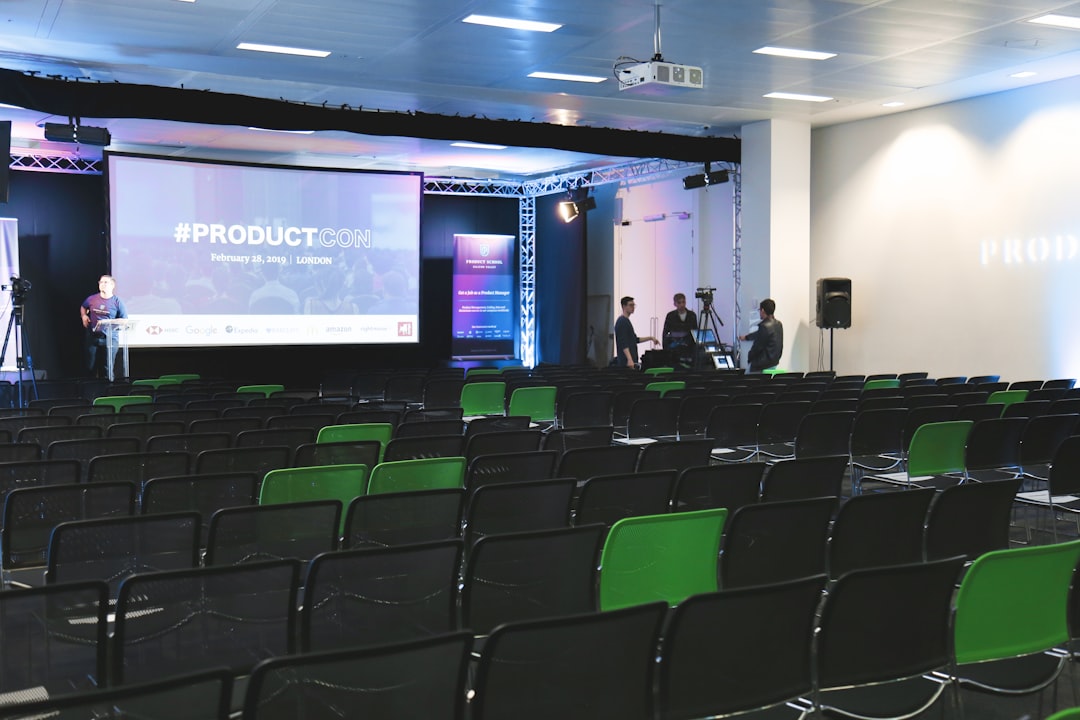
When attending events, approach them strategically. Prepare questions, take structured notes, and follow up with meaningful contacts afterward. Networking is not merely about expanding your list of connections; it is about cultivating ongoing dialogue.
Adopt a Scheduled Learning Routine
Many individuals attempt to stay informed passively, consuming content sporadically throughout the day. This approach leads to fragmented understanding. Instead, dedicate specific time blocks to focused learning.
A sustainable routine might include:
- Daily: 20–30 minutes reviewing curated headlines or newsletters.
- Weekly: One in-depth article, whitepaper, or research study.
- Monthly: A webinar, industry report review, or professional event.
- Quarterly: Strategic evaluation of how trends affect your work or organization.
Consistency builds cumulative knowledge. Even modest daily effort compounds significantly over time.
Leverage Social Media Strategically
Social platforms can offer immediate insights into breaking developments, but they require discipline. Algorithms are designed for engagement, not necessarily accuracy. Therefore, intentional curation is essential.
To use social media responsibly:
- Follow credible experts and analysts rather than purely promotional accounts.
- Create topic-specific lists to organize content efficiently.
- Limit scrolling time to prevent distraction.
- Verify information before accepting or sharing it.
Used properly, social platforms can complement more formal research channels, providing immediate reactions and diverse viewpoints.
Experiment With Emerging Technologies
Reading about innovation is informative, but direct experimentation deepens understanding. Hands-on experience clarifies capabilities, limitations, and practical implications.
Ways to gain practical exposure include:
- Testing beta software or free trials.
- Participating in open-source projects.
- Building small pilot initiatives within your organization.
- Enrolling in structured online courses or certifications.
Practical engagement enhances retention and strengthens credibility when discussing trends professionally.

Monitor Cross-Industry Impact
Technology trends rarely remain confined to one sector. Advances in artificial intelligence, cybersecurity, blockchain, biotech, and automation often produce ripple effects across multiple industries.
Adopting a cross-disciplinary lens helps identify unexpected opportunities. For example:
- An advancement in data analytics in healthcare may influence insurance models.
- Developments in automation within manufacturing could reshape logistics.
- Privacy regulations in finance may impact digital marketing practices.
Holistic awareness enables strategic foresight. Leaders who connect developments across industries are better positioned to innovate.
Balance Breadth and Depth
One common mistake is attempting to follow every emerging technology simultaneously. This often leads to superficial understanding. Instead, divide attention between:
- Broad awareness: General familiarity with major developments.
- Deep specialization: Focused expertise in areas most relevant to your goals.
For example, a cybersecurity professional may maintain general awareness of artificial intelligence developments while diving deeply into threat detection algorithms. This balance ensures both adaptability and authority.
Evaluate the Strategic Implications
Information alone is not valuable unless translated into action. Periodically reflect on how emerging trends influence:
- Your organization’s competitive positioning.
- Operational efficiency and cost structures.
- Risk exposure and compliance obligations.
- Future skill requirements within your team.
Establish internal discussions or review sessions to examine these factors. Strategic alignment ensures that awareness leads to measurable improvement rather than idle curiosity.
Develop Information Discipline
The modern information environment incentivizes constant consumption. However, indiscriminate intake can reduce clarity. Practicing information discipline preserves focus and enhances comprehension.
Key habits include:
- Limiting notifications to essential updates.
- Archiving irrelevant content rather than skimming endlessly.
- Taking structured notes to reinforce retention.
- Reflecting periodically on what has been learned.
This approach transforms passive exposure into intentional knowledge acquisition.
Prepare for Continuous Change
Technological progress will not slow. Automation, machine learning, decentralized systems, immersive experiences, and biomedical innovations are accelerating simultaneously. The most resilient individuals cultivate adaptability as a core skill.
Adaptability involves:
- A willingness to question established assumptions.
- Openness to reskilling when necessary.
- Comfort with experimentation and calculated risk.
- Commitment to lifelong learning.
By embracing these principles, staying updated becomes less about chasing every headline and more about cultivating a mindset capable of navigating change.
Conclusion
Staying informed about technology trends requires more than casual browsing. It demands credible sources, structured learning routines, analytical thinking, and community engagement. By balancing broad awareness with targeted expertise and by converting knowledge into strategic insight, individuals and organizations position themselves to thrive in a rapidly evolving landscape.
The responsibility to remain informed is ongoing. Those who approach technological awareness with discipline, intellectual rigor, and curiosity will not merely adapt to innovation—they will help shape its direction.