Popups have evolved far beyond the flashing, intrusive boxes that once frustrated website visitors. Today’s popup builder platforms use smart targeting, behavioral triggers, and sleek design templates to create timely, personalized messages that actually improve user experience while driving conversions. Whether you want to grow your email list, promote a limited-time offer, reduce cart abandonment, or guide visitors toward a specific action, modern popup tools provide data-driven ways to make it happen.
TLDR: Popup builders are powerful tools for increasing conversions, capturing leads, and boosting sales when used strategically. The best platforms offer advanced targeting, A/B testing, analytics, and easy integrations with marketing tools. From beginner-friendly drag-and-drop solutions to advanced behavioral targeting systems, there’s a popup builder for every business size and goal. Choosing the right one depends on your technical needs, budget, and conversion strategy.
Below, we explore eight popup builder platforms that can help turn website visitors into subscribers, customers, and loyal fans.
1. OptinMonster
OptinMonster is often considered an industry leader in conversion-focused popup technology. Designed specifically to help marketers grow leads and revenue, it provides advanced targeting rules and user behavior automation.

Key features include:
- Exit-intent technology
- Page-level and behavior-based targeting
- A/B split testing
- Drag-and-drop builder
- Deep analytics and reporting
Its exit-intent feature detects when users are about to leave a page and triggers a targeted offer, such as a discount code or free resource. This alone can significantly boost conversions. While it may be priced slightly higher than simpler tools, its advanced customization makes it ideal for serious marketers and eCommerce businesses.
2. Sumo
Sumo is a user-friendly popup builder that integrates easily with WordPress and other major website platforms. It’s designed for small businesses and content creators who want a simple, effective way to grow their email lists.
Notable benefits:
- Free plan available
- Simple email capture forms
- List-building popups and smart bars
- Basic analytics and performance tracking
Sumo shines in its simplicity. You can quickly create popups without a steep learning curve. While it doesn’t offer the most sophisticated targeting options on the market, it’s a strong entry-level solution for bloggers and startups.
3. Privy
Privy focuses heavily on eCommerce businesses, especially those using platforms like Shopify. It excels in reducing cart abandonment and increasing average order value through personalized popup campaigns.
Top features:
- Cart abandonment popups
- Spin-to-win gamified forms
- Email and SMS marketing integration
- Automated follow-up sequences
Privy’s gamified popups, like the popular “spin the wheel” discount offer, can dramatically increase engagement. For online store owners, it combines popup functionality with email automation, making it a powerful all-in-one solution.
4. Poptin
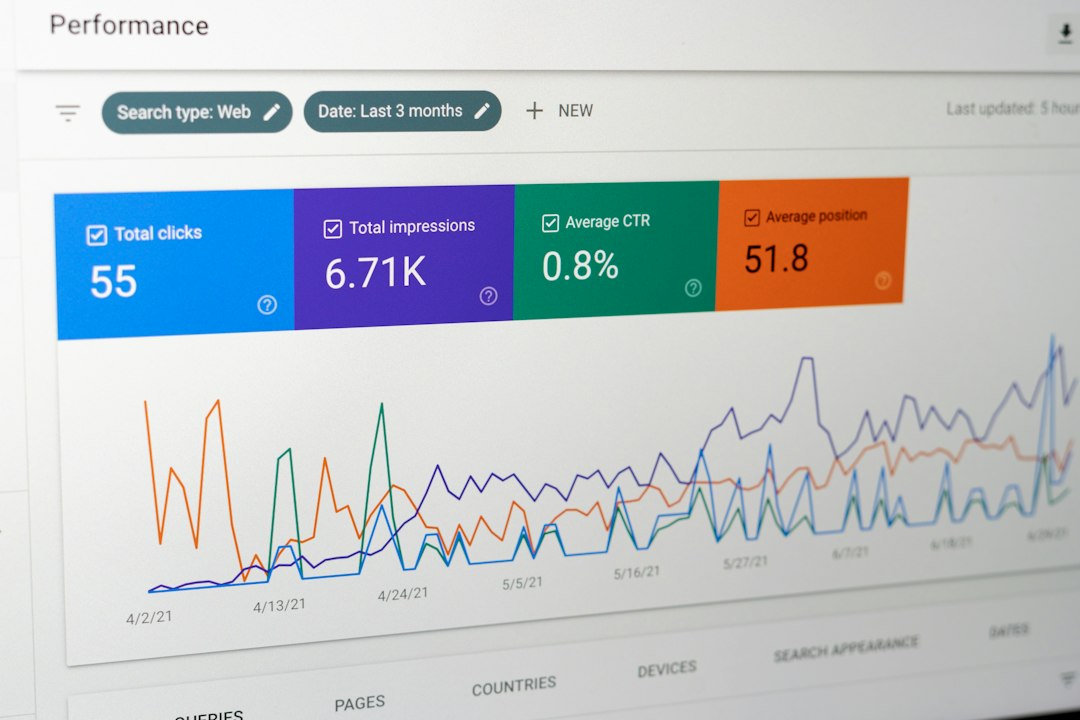
Poptin is known for its clean interface and strong conversion optimization tools. It supports a range of popup types, including lightboxes, slide-ins, and full-screen overlays.
Why marketers choose Poptin:
- Behavioral targeting triggers
- Exit intent and scroll-based activation
- Built-in A/B testing
- Affordable pricing tiers
One standout feature is its detailed targeting system, allowing you to segment users based on traffic source, time spent on site, or number of visits. This enables highly specific campaigns that feel relevant rather than disruptive.
5. WisePops
WisePops focuses on personalization and advanced segmentation. It’s built for marketers who want granular control over their campaigns and real-time content customization.
Core strengths:
- Advanced audience segmentation
- Real-time campaign editing
- Deep analytics dashboards
- Multiple popup formats
With WisePops, you can display tailored offers based on traffic source, device, browsing behavior, or referral path. For larger companies and data-driven teams, this level of control can significantly improve campaign effectiveness.
6. Elementor Popups
If you use WordPress, Elementor’s Popup Builder provides a seamless way to design custom popups directly within your site’s visual interface. It’s part of Elementor Pro, making it especially attractive to users already in that ecosystem.
Advantages include:
- Full design flexibility
- Integration with WordPress themes
- Trigger options like scroll, click, and inactivity
- Custom styling without code
Unlike standalone popup platforms, Elementor gives you complete creative freedom. You can design popups that perfectly match your website’s branding, from typography to animations. However, it may lack the advanced behavioral automation features found in dedicated conversion platforms.
7. Sleeknote
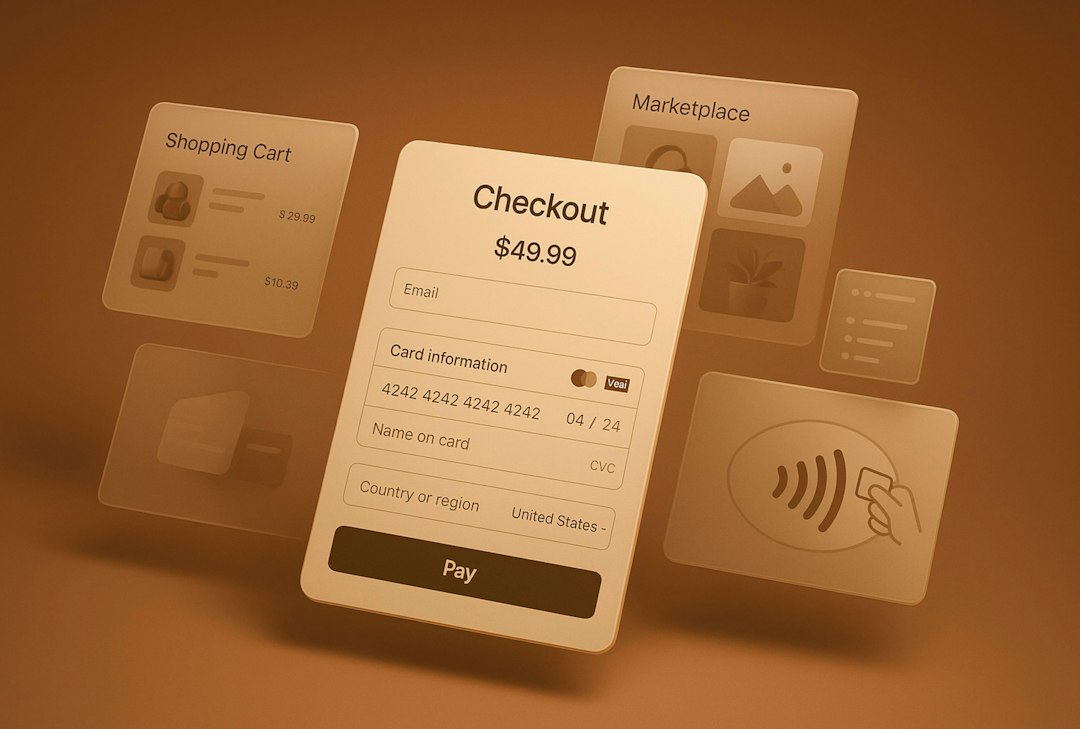
Sleeknote aims to deliver non-intrusive popups that integrate smoothly with user experience. It emphasizes personalization and subtlety rather than aggressive interruption.
Primary features:
- Highly customizable forms
- Product recommendation popups
- Advanced segmentation
- Strong eCommerce integrations
One of Sleeknote’s most powerful capabilities is product-specific targeting. For example, you can promote complementary products directly within a popup while a user is viewing a related item. This increases both relevance and upsell potential.
8. BDOW (formerly SumoMe Popups Alternative)
BDOW offers a broad suite of engagement tools beyond popups, including announcement bars and inline forms. It focuses on simplifying the process of lead generation for growing businesses.
Highlights include:
- Drag-and-drop popup editor
- Visitor targeting rules
- Integration with email providers
- Conversion statistics dashboard
BDOW is well-suited for businesses looking for a multi-tool approach. Instead of managing multiple plugins or services, users can centralize their engagement efforts in one platform.
How to Choose the Right Popup Builder
Selecting the right platform depends on your specific goals. Consider these factors:
- Targeting capabilities: Do you need exit-intent, behavioral triggers, or simple time-based popups?
- Integration: Does it connect easily with your CRM, email marketing software, or eCommerce platform?
- Ease of use: Is a drag-and-drop editor important, or are you comfortable with more advanced customization?
- Budget: Free tools may be sufficient for startups, while scaling businesses benefit from premium analytics.
- A/B testing: Can you easily experiment and optimize performance?
For beginners, tools like Sumo or Elementor provide simplicity and speed. eCommerce brands may prefer Privy or Sleeknote. Advanced marketers who demand precise segmentation might gravitate toward OptinMonster or WisePops.
Best Practices for Boosting Conversions with Popups
No matter which platform you choose, performance depends on strategy. Follow these best practices:
- Time it right: Avoid triggering popups instantly. Let visitors engage first.
- Offer genuine value: Discounts, free guides, or exclusive content work far better than generic “Subscribe Now” messages.
- Keep it simple: Minimal form fields often increase completion rates.
- Test consistently: Small adjustments in wording, design, or timing can create big gains.
- Prioritize mobile optimization: Ensure popups don’t disrupt the mobile browsing experience.
Modern users expect relevance. A well-timed popup that delivers real value enhances experience; a poorly timed, aggressive one damages trust. The difference lies in smart configuration and thoughtful design.
Final Thoughts
Popup builder platforms have become essential tools in digital marketing. When executed strategically, they do more than capture emails—they create personalized engagement opportunities that drive measurable growth. From feature-rich solutions like OptinMonster and WisePops to flexible WordPress integrations like Elementor, today’s options cater to every level of expertise and budget.
The key is not just installing a popup tool but using it intentionally. Understand your audience, design compelling offers, and leverage smart targeting to deliver the right message at the right time. With the right platform in place, simple popups can transform into powerful conversion engines that consistently grow your business.