Imagine trying to manage thousands of tiny computers scattered across cities, factories, farms, and homes. That’s what happens in the world of the Internet of Things (IoT). From smart thermostats to industrial sensors, these devices collect data and make decisions every second. But without the right system in place, managing them can quickly turn into chaos. That’s where IoT device management software comes in.
TLDR: IoT device management software helps businesses control, monitor, and update thousands (or even millions) of connected devices from one central system. It keeps devices secure, up to date, and performing well. Without it, large-scale IoT deployments become risky and hard to manage. With it, scaling becomes simple, safe, and efficient.
What Is IoT Device Management Software?
Let’s keep it simple.
IoT device management software is a platform that lets you:
- Register and organize devices
- Monitor their health and performance
- Update software remotely
- Fix issues without touching the device
- Secure them against cyber threats
Think of it as a remote control center. Instead of walking up to each device, you manage everything from a dashboard.
Now imagine doing this for 10 devices. Easy. For 100 devices? Still manageable. But what about 10,000 devices across multiple countries?
That’s when scalable management becomes critical.
Why Scalability Matters
Scalability means your system can grow without breaking.
Many IoT projects start small. A pilot program. A test factory. A limited rollout.
Then success happens.
More devices get added. More locations come online. More data flows in. Suddenly, manual processes stop working.
Without scalable device management:
- Updates become slow
- Security gaps appear
- Devices disconnect
- Data becomes unreliable
- Costs rise fast
With the right software, scaling feels smooth. Devices can be added in bulk. Settings can be copied. Updates can be automated.
Growth doesn’t hurt. It just works.
Core Features of IoT Device Management Software
Let’s break down the most important features in a simple way.
1. Device Provisioning
This is the onboarding process.
When a new device connects, the system:
- Authenticates it
- Registers it
- Assigns permissions
- Configures settings
No spreadsheets. No manual setup. Just automatic enrollment.
This is especially important when deploying thousands of devices at once.
2. Remote Monitoring
You need visibility.
A good dashboard shows:
- Device status (online or offline)
- Battery levels
- Signal strength
- Error logs
- Performance metrics
If a device goes offline in another country, you’ll know instantly.
That’s powerful.
3. Over the Air Updates (OTA)
This might be the most important feature.
Instead of recalling devices physically, you push updates remotely.
Bug fix? Send a patch.
Security issue? Push a fix.
New feature? Deploy it instantly.
OTA saves time. It saves money. And it protects your reputation.
4. Security Management
IoT devices are often targets for cyberattacks.
Device management platforms help by:
- Managing encryption keys
- Rotating credentials
- Enforcing secure authentication
- Detecting unusual behavior
- Isolating compromised devices
Security must scale with growth. Otherwise, risk increases with every new device added.
5. Device Grouping and Organization
Managing devices individually is impossible at scale.
Instead, you group them by:
- Location
- Device type
- Customer
- Firmware version
Then you apply rules to entire groups at once.
Smart. Efficient. Clean.
Real World Example
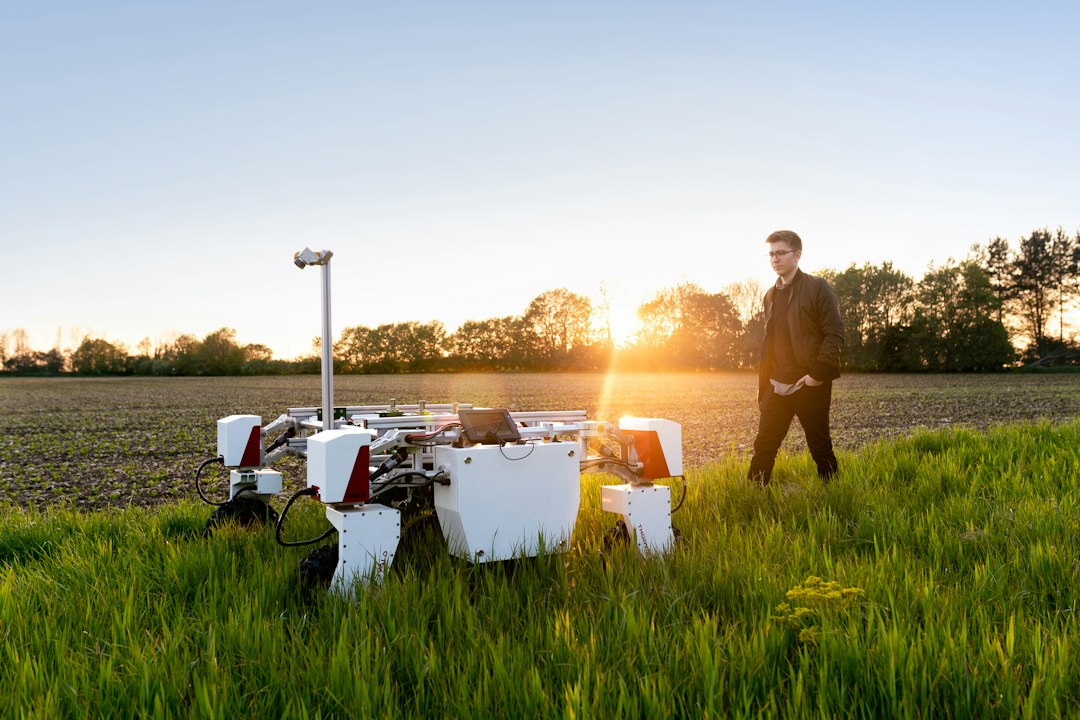
Imagine a smart agriculture company.
They install soil sensors across 5,000 farms. Each farm has 20 sensors. That’s 100,000 devices.
Farmers rely on these sensors for watering decisions.
Now imagine a firmware bug appears.
Without device management software:
- Technicians must visit farms
- Travel costs increase
- Farmers get frustrated
With IoT management software:
- Engineers push one update
- Devices update overnight
- Issue resolved
No trucks. No downtime. No panic.
Key Challenges in Large Deployments
Scaling is exciting. But it introduces new problems.
Network Reliability
Devices might use Wi-Fi, cellular, or satellite. Connections can be unstable. Management software must handle dropped connections gracefully.
Device Diversity
Different hardware models. Different firmware. Different manufacturers.
Your software must support all of them.
Data Overload
Thousands of devices generate massive amounts of data. Monitoring systems must filter noise and highlight what matters.
Security at Scale
The more devices you have, the bigger the attack surface. Automation is critical for consistent security enforcement.
Cloud vs On Premise Management
When deploying IoT management software, companies usually choose:
- Cloud based platforms
- On premise solutions
Cloud Based
- Easier to scale
- Lower upfront costs
- Automatic infrastructure management
- Global accessibility
On Premise
- More control
- Custom security setups
- Useful for strict regulations
For most large, distributed deployments, cloud solutions offer faster scalability.
Automation Is the Secret Ingredient
Manual processes do not scale.
Automation allows you to:
- Auto register new devices
- Schedule firmware updates
- Trigger alerts automatically
- Run diagnostic scripts remotely
The more automated your system is, the fewer human errors you’ll face.
And fewer errors mean higher uptime.
Metrics That Matter
When managing scalable IoT systems, these metrics are important:
- Device uptime
- Failure rate
- Update success rate
- Security incident frequency
- Average response time
A good management platform makes these easy to track.
Clear metrics lead to smarter decisions.
Best Practices for Scalable IoT Deployments
Want to grow without stress? Follow these principles:
Design for Scale from Day One
Even if starting with 100 devices, prepare for 100,000.
Prioritize Security Early
Adding security later is expensive and risky.
Standardize Hardware When Possible
Fewer device types mean easier management.
Use Bulk Operations
Always think in groups, not individual devices.
Monitor Continuously
Problems caught early are easier to fix.
Industries That Depend on It
Scalable IoT device management is not limited to tech companies.
It’s used in:
- Healthcare (remote monitoring devices)
- Manufacturing (predictive maintenance sensors)
- Energy (smart grids and meters)
- Retail (smart shelves and kiosks)
- Transportation (fleet tracking systems)
In each case, reliability and scale are not optional. They are critical.
The Future of IoT Device Management
The future looks exciting.
Artificial intelligence will play a larger role. Systems will predict failures before they happen. Devices may self heal by restarting services automatically.
Edge computing will reduce latency. Management tools will become more intelligent and more automated.
And security will become even more advanced.
As billions of devices come online, strong management software will no longer be a luxury. It will be a necessity.
Final Thoughts
Managing a handful of IoT devices is easy.
Managing thousands or millions? That requires strategy.
IoT device management software is the backbone of scalable deployments.
It keeps devices secure. It keeps them updated. It keeps them organized. And most importantly, it keeps them working.
If you want your IoT project to grow smoothly, start with the right management foundation. Build smart. Automate early. Secure everything.
Because in the world of connected devices, scale is not just about adding more. It’s about staying in control as you do.