GraphQL has rapidly become a foundational technology for building modern APIs, offering flexibility, strong typing, and precise data fetching capabilities. However, the power of GraphQL extends far beyond its query language. A mature ecosystem of tools now supports schema design, development workflows, automated testing, performance optimization, and production monitoring. Selecting the right GraphQL tools is essential for building robust, secure, and scalable APIs.
TLDR: GraphQL development requires specialized tools for schema design, server implementation, testing, and monitoring. Popular frameworks like Apollo Server and GraphQL Yoga simplify API creation, while tools such as GraphiQL and Postman streamline testing. Schema validation, error tracking, and performance monitoring tools are critical for production reliability. Choosing the right combination of development and testing tools ensures scalable and maintainable APIs.
Core Development Frameworks
At the center of every GraphQL project is the server implementation. These frameworks handle schema execution, resolver logic, validation, and integration with backend services. Choosing the right server tool influences performance, maintainability, and extensibility.
Apollo Server remains one of the most widely adopted solutions. It provides:
- Strong ecosystem support
- Built-in schema validation
- Extensive plugin architecture
- Integrated performance tracing
Apollo integrates seamlessly with Node.js environments and supports federation, enabling large teams to modularize schemas across multiple services.
GraphQL Yoga is another powerful option, known for simplicity and flexibility. It supports multiple runtimes including Node, Deno, and Cloudflare Workers. It integrates well with modern JavaScript frameworks and provides a lightweight alternative to heavier server frameworks.
Mercurius, built for Fastify, focuses on high performance. It is particularly useful for applications demanding low latency and efficient resource usage.
When evaluating server frameworks, consider:
- Performance benchmarks
- Community and ecosystem maturity
- Plugin and extension capabilities
- Security features
- Federation or schema stitching support
Schema Design and Management Tools
The GraphQL schema defines the contract between client and server. Maintaining clarity, consistency, and backward compatibility is critical.
GraphQL SDL (Schema Definition Language) provides a clean and typed approach to declaring the structure of data. However, managing large schemas often requires specialized tools:
- GraphQL Code Generator: Automatically generates TypeScript types, resolver signatures, and client hooks from schemas.
- Apollo Studio: Offers schema registry functionality, diff analysis, and change validation before deployment.
- GraphQL Inspector: Detects breaking changes between schema versions.
Schema validation tools help detect:
- Breaking field deletions
- Unsafe type modifications
- Removed arguments
- Deprecation inconsistencies
In enterprise systems, schema governance is essential. Structured review processes combined with automated checks significantly reduce the risk of production failures.
Interactive Development and Query Testing
Testing queries interactively improves development speed and accuracy. GraphQL’s introspection capabilities make dynamic documentation and testing possible.
GraphiQL is one of the most recognizable tools in the ecosystem. It provides:
- Auto-completion
- Schema documentation explorer
- Query history
- Error highlighting
GraphQL Playground expands on this foundation with enhanced UI features and subscription support. Though less actively maintained today, it remains useful in many projects.
Altair GraphQL Client is another alternative offering a refined interface, customizable environments, and advanced header management.
For teams that prefer broader API testing suites, Postman now supports GraphQL natively. This is particularly valuable when integrating GraphQL endpoints alongside REST APIs during migration phases.
Effective query testing includes:
- Validating error handling behavior
- Testing edge-case arguments
- Measuring nested query performance
- Simulating unauthorized access attempts
Automated Testing Frameworks
Manual query testing is insufficient for production APIs. Automated testing ensures regression safety and reliability.
Unit Testing Resolvers is a fundamental best practice. Using tools like Jest or Mocha, developers can isolate resolver logic from the GraphQL execution layer. This allows validation of:
- Business logic correctness
- Database interactions
- Error handling conditions
- Authorization checks
Integration Testing evaluates the full execution pipeline. Libraries such as Supertest allow HTTP-level testing of GraphQL endpoints, ensuring query validation, authentication, and response formatting operate as expected.
Snapshot Testing can capture query responses and compare them over time. While this approach must be used carefully, it helps detect subtle structural changes in responses.
Well-designed GraphQL test suites typically include:
- Schema validation tests
- Resolver unit tests
- Authorization scenario tests
- Performance boundary tests
Mocking and Prototyping Tools
Mocking capabilities accelerate development, particularly when frontend and backend teams work concurrently.
Apollo Server Mocking enables automatic generation of mock data based on schema types. This allows developers to simulate API behavior before connecting to live data sources.
Mock Service Worker (MSW) can intercept GraphQL requests during browser-based testing. It is especially useful for frontend component testing.
Mocking tools support:
- Early frontend development
- Scenario-based UI testing
- Performance experimentation
- Failure simulation
Structured mocking prevents development bottlenecks and minimizes inter-team dependencies.
Performance Monitoring and Observability
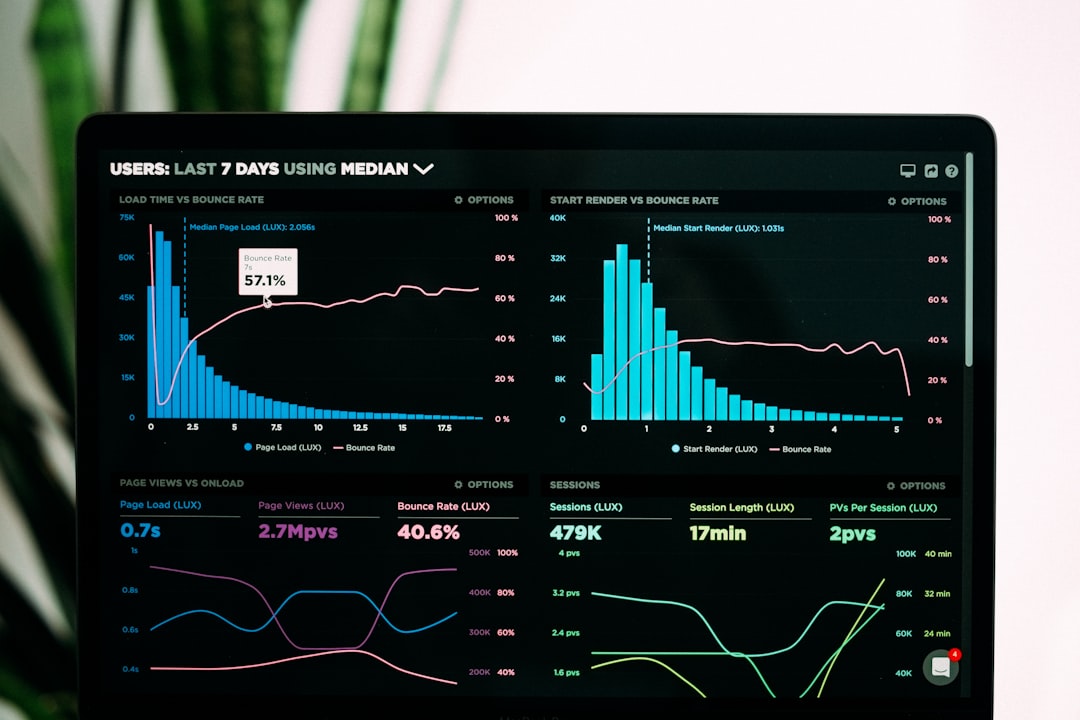
GraphQL’s flexibility can introduce performance risks, such as deeply nested queries or excessive resolver calls. Observability tools are critical in production environments.
Apollo Studio provides query-level analytics, resolver timing breakdowns, and client usage metrics. These features allow teams to:
- Identify slow resolvers
- Analyze frequently requested fields
- Monitor deprecated field usage
- Detect query patterns causing load spikes
Beyond GraphQL-specific tools, integrating with application monitoring platforms such as distributed tracing systems enhances visibility into database queries and microservices calls triggered by GraphQL.
Performance optimization strategies supported by tooling include:
- Caching with DataLoader
- Query complexity analysis
- Rate limiting
- Depth limiting rules
Monitoring is not optional in high-traffic environments. Without proper telemetry, diagnosing production issues becomes significantly more complex.
Security Testing and Validation
GraphQL introduces unique security considerations. Unlike REST endpoints, GraphQL exposes a flexible query surface that attackers may exploit.
Effective security tooling should address:
- Query depth attacks
- Introspection exposure in production
- Unauthorized field access
- Denial-of-service through complex queries
GraphQL Armor and similar middleware solutions provide protection through query cost analysis and input validation. Combining these tools with traditional security testing frameworks strengthens API resilience.
Security testing should be integrated into CI/CD pipelines to ensure that schema changes do not introduce unintended exposure.
Continuous Integration and Deployment Integration
Modern API development relies heavily on automated pipelines. GraphQL tools integrate into CI/CD workflows to validate schemas, run tests, and enforce governance policies.
Key automation practices include:
- Schema diff validation before merge
- Automated test execution on pull requests
- Performance benchmark alerts
- Deployment gating based on breaking changes
By incorporating schema linting and test automation into pipelines, organizations maintain high reliability standards while accelerating delivery cycles.
Selecting the Right Tool Stack
There is no universal GraphQL tool stack suitable for every project. Decision-making should consider:
- Team expertise
- Application scale
- Performance requirements
- Microservices architecture complexity
- Compliance and security constraints
Small projects may require only a lightweight server framework and basic testing tools. Enterprise systems, by contrast, often depend on federated schemas, advanced monitoring, schema registries, and sophisticated CI enforcement.
It is advisable to prioritize tools with strong documentation, active community support, and clear long-term maintenance signals.
Conclusion
GraphQL’s strength lies not just in its query language but in its mature ecosystem of development and testing tools. From schema design to automated testing, and from mocking to production monitoring, the right tooling transforms GraphQL from a flexible data layer into a reliable and scalable API platform.
Organizations that invest in structured schema governance, comprehensive automated testing, and observability gain measurable advantages in reliability and performance. Thoughtful tool selection, combined with disciplined engineering practices, ensures that GraphQL APIs remain stable, secure, and adaptable in evolving production environments.