Oracle Health and Philips are two major healthcare software companies that hospitals often compare when they need clinical records, imaging systems, patient monitoring, and operational tools. Oracle completed its Cerner acquisition for about $28.3 billion, a move that pushed the company deeper into electronic health records and hospital data systems [source: Oracle]. Philips, by contrast, is strongest in imaging informatics, remote monitoring, and connected care. Both firms sell useful software, but the best choice depends on the hospital’s size, budget, and clinical workflow.
TLDR: Oracle Health is a strong fit for organizations that want a broad electronic health record system tied to data, billing, and patient management. Philips is often better for hospitals focused on imaging, diagnostics, monitoring, and ICU support. For example, a 400-bed hospital replacing separate imaging viewers and monitoring tools could cut repeated manual checks by 15% to 25% if integrations are set up well. The catch is that poor setup can erase those gains fast.
What Healthcare Software Companies Actually Provide
Healthcare software companies build systems that support care, records, billing, diagnostics, scheduling, and reporting. Some sell full hospital platforms. Others focus on one area, such as radiology, claims, pharmacy, or patient engagement.
The best products help clinicians work faster without adding more screens. That sounds simple. It rarely is. Many hospitals still fight with duplicate logins, slow chart loads, and reports that take too long to build. Honestly, it feels like some tools were designed for committees, not nurses at 2 a.m.
- Electronic health records: patient charts, orders, medication lists, lab results, and discharge notes.
- Imaging software: radiology viewers, cardiology imaging, archiving, and diagnostic workflows.
- Revenue cycle tools: coding, claims, payment posting, and denial management.
- Patient tools: portals, messaging, appointment booking, and remote monitoring.
- Analytics: dashboards for quality, staffing, cost, safety, and outcomes.

Oracle Health: Strong in Records, Data, and Enterprise Systems
Oracle Health grew out of Oracle’s purchase of Cerner. Cerner had a long history in electronic health records, especially among hospitals, clinics, and public health systems. Oracle added its cloud, database, and enterprise software strength to that base.
Its core appeal is scale. Large health systems may want one vendor for EHR, analytics, scheduling, identity, and operational data. Oracle can make that pitch better than most firms. It also has a strong position in data management, which matters as hospitals try to use clinical data for staffing, population health, and cost control.
Oracle Health may suit:
- Large hospitals with complex EHR needs.
- Health systems that want deep reporting and data tools.
- Organizations already using Oracle databases or enterprise software.
- Networks that need broad clinical and administrative workflows.
Still, implementation can be heavy. Training takes time. Custom workflows cost money. A simple task that should take 20 seconds can take closer to a minute if screens are cluttered or roles are configured badly. That extra time hurts when staff repeat the task hundreds of times per shift.
Philips: Strong in Imaging, Monitoring, and Connected Care
Philips is not usually viewed as a pure EHR company. Its software strength sits closer to diagnostics and clinical operations. The company has deep roots in imaging, patient monitoring, ultrasound, cardiology, and hospital devices. Its software ties those systems together.
Philips tools often appear in radiology departments, ICUs, cardiac care, and remote patient monitoring programs. The goal is to give clinicians clearer data from machines, images, alarms, and patient devices.
Philips may suit:
- Hospitals improving radiology or cardiology imaging workflows.
- ICUs that need better patient monitoring views.
- Health systems using remote care programs for chronic disease.
- Teams that need device data connected to clinical decisions.
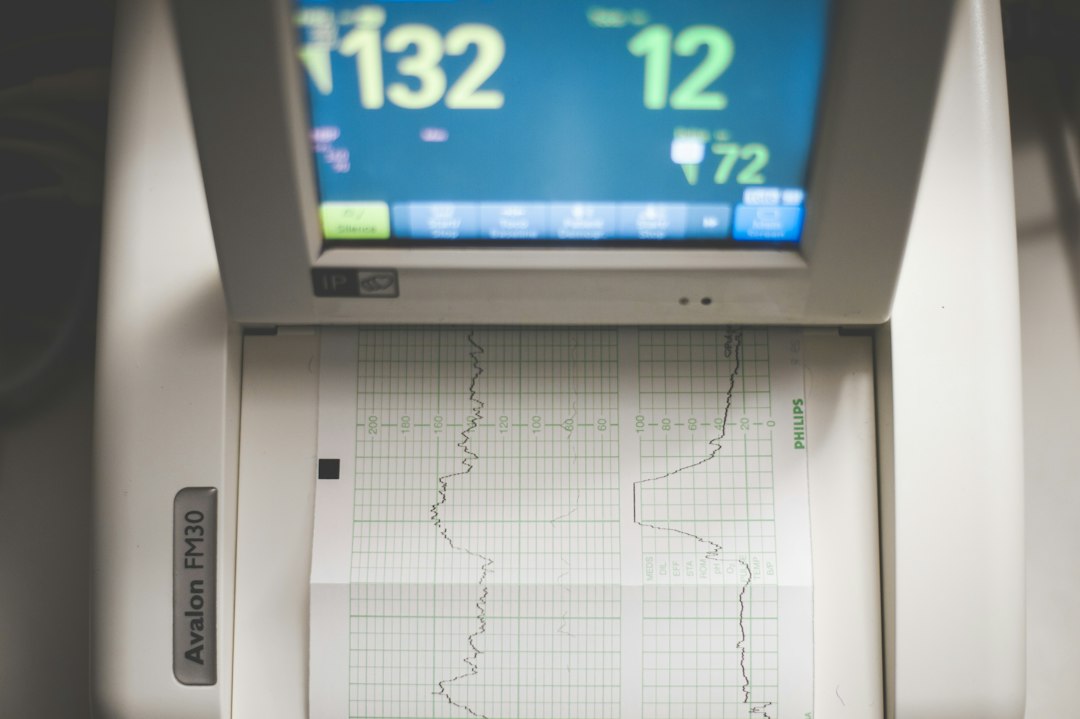
Philips can be very useful when clinical teams want fewer disconnected device screens. But buyers still need to check integration with the main EHR. If imaging notes, alerts, and reports do not move cleanly into the patient record, staff end up copying details by hand. Nobody wants that.
How Oracle Health and Philips Compare
Oracle Health is more likely to sit at the center of the hospital record. It handles the patient chart and broad operational data. Philips is more focused on clinical specialty software, imaging, monitoring, and device-related workflows.
A hospital might use both. For example, Oracle Health could hold the main EHR while Philips supports radiology imaging and ICU monitoring. That setup can work well when interfaces are clean. It can become painful when departments blame each other for missing data.
Cost also differs. Oracle Health projects may involve large licensing, training, consulting, and migration budgets. Philips projects may be tied to specific departments, equipment programs, or connected care plans. In both cases, support quality matters as much as product features.
Other Healthcare Software Providers to Watch
Oracle Health and Philips are not alone. Epic remains a major EHR provider for large health systems. MEDITECH serves many hospitals and community providers. Athenahealth, eClinicalWorks, and NextGen often serve ambulatory practices. For payments and claims, many providers also compare tools from vendors that specialize in billing automation. A good starting point is this guide to AI billing software for healthcare providers.
Skills matter too. Even great software fails when staff do not understand the terms, codes, and workflows behind it. New hires and career switchers may benefit from online healthcare vocabulary and medical terminology classes before working with EHRs, billing tools, or clinical documentation systems.
What Buyers Should Check Before Signing
- Integration: Does the software connect cleanly with the current EHR, billing system, lab tools, and imaging archive?
- Usability: Can nurses and doctors finish common tasks quickly?
- Training: How long does it take for staff to become comfortable?
- Data access: Can leaders get useful reports without waiting weeks?
- Support: Are urgent issues handled by people who understand hospital operations?
- Total cost: What are the costs for setup, interfaces, upgrades, and extra modules?

FAQ
Is Oracle Health the same as Cerner?
Oracle Health includes the former Cerner business. Cerner’s EHR products became part of Oracle after the acquisition.
Is Philips an EHR company?
Philips is not best known as a full EHR provider. It is stronger in imaging software, patient monitoring, diagnostics, and connected care tools.
Can a hospital use Oracle Health and Philips together?
Yes. Many hospitals use one system for the main patient record and another for imaging or monitoring. The key is clean data exchange.
Which company is better for a small clinic?
A small clinic may not need either company’s larger hospital systems. It may prefer a lighter EHR, billing, or scheduling platform.
What is the biggest mistake when buying healthcare software?
The biggest mistake is choosing features over workflow. If the software slows clinicians down, adoption suffers, even if the product looks strong in demos.