With each new generation of NVIDIA GeForce graphics cards, gamers and content creators are faced with the age-old question: Is it time to upgrade? As whispers and rumors swirl around the upcoming RTX 5070, many owners of the tried-and-tested RTX 3080 are weighing their options. Will the RTX 5070 be a worthy successor or merely an incremental step forward? This article dives deep into what we know so far and what you should consider before making the switch.
TL;DR
The RTX 5070, likely based on NVIDIA’s new Ada Lovelace or Blackwell architecture, is poised to offer improved efficiency, better ray tracing, and AI-enhanced features over the RTX 3080. However, depending on your use case—especially if you’re already rocking 1440p or 4K gaming—the uplift may not be revolutionary. Budget-conscious gamers may find the RTX 3080 still holds up well. However, the appeal of next-gen technologies may sweeten the deal for upgraders who want access to the latest features.
Architecture & Performance: More Than Just Numbers
The key to understanding whether the RTX 5070 offers a meaningful upgrade lies in the underlying architecture. The RTX 3080 is based on NVIDIA’s Ampere architecture, which brought major gains in CUDA core count, power efficiency, and real-time ray tracing compared to its predecessors. Now enter the RTX 50 series—expected to be based on either Ada Lovelace Refresh or the newer Blackwell architecture, depending on NVIDIA’s timeline.
While direct performance numbers are not yet finalized, early leaks suggest that the RTX 5070 may outperform the RTX 3080 in several key areas:
- Ray tracing capability: Enhanced RT and Tensor cores for more realistic lighting and improved DLSS support.
- Power efficiency: Potentially less power draw for similar or better performance, thanks to newer manufacturing nodes (likely TSMC’s 4N process).
- VRAM usage: Expected to ship with at least 12GB of GDDR6X, compared to the 10GB on early variants of the 3080, smoothing out issues in more memory-intensive games.
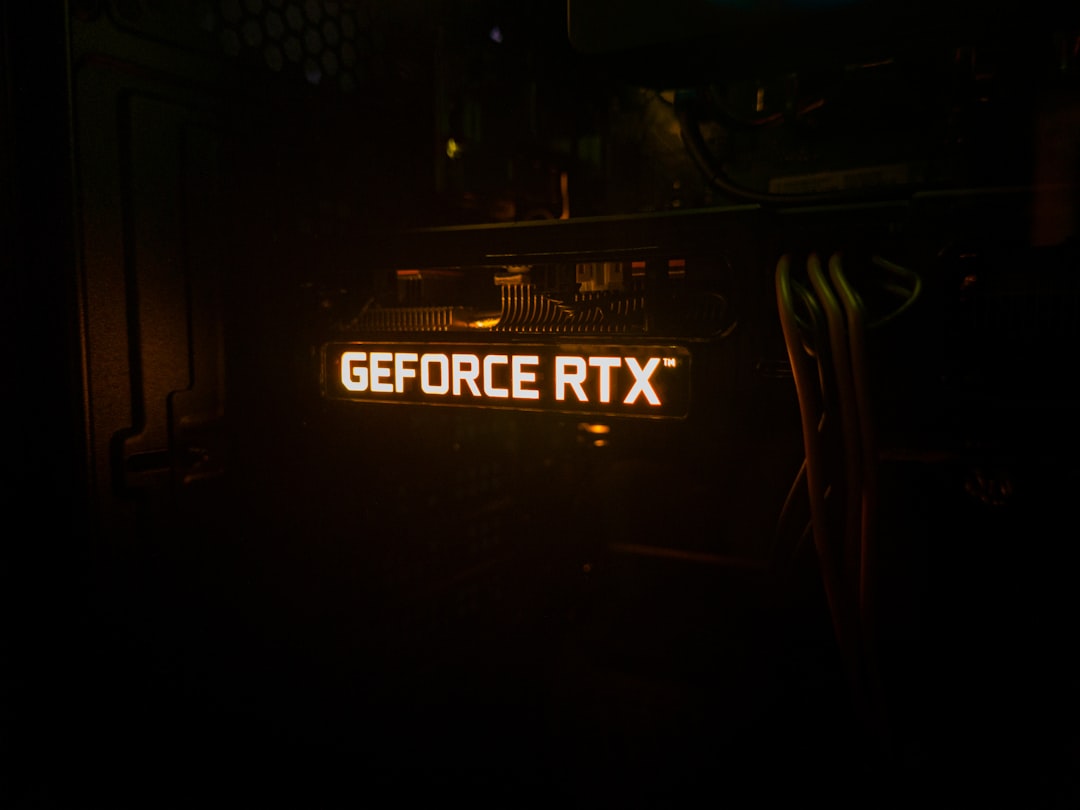
That said, raw performance is only part of the story. The gaming experience, particularly at different resolutions, may still be surprisingly close between the two cards, depending on the optimizations developers make for older hardware.
Gaming at Different Resolutions
Resolution is a major factor when deciding whether to upgrade. Here’s how the RTX 5070 is likely to compare to the RTX 3080 when gaming at common resolutions:
1080p Gaming
At 1080p, both cards will deliver more frames than most monitors can refresh. However, the RTX 5070 might offer a future-proofing advantage by staying cool and efficient while providing headroom for high-frame-rate eSports titles or AI-enhanced upscaling like DLSS 3.5.
1440p Gaming
This is where the gap may begin to show. The RTX 3080 still handles 1440p excellently, but the RTX 5070 could push higher frame rates with less noise and heat, particularly in games that leverage ray tracing.
4K Gaming
While the RTX 3080 was marketed as a 4K-capable card, it sometimes requires compromises in newer AAA titles. If the RTX 5070 includes next-gen DLSS and higher memory bandwidth, it could provide smoother 4K experiences without needing to dial settings down.
Yet, unless the RTX 5070 provides a significant bump in rasterization performance, the delta in 4K might not be drastic enough to warrant an immediate upgrade if you already own a 3080.
Feature Set: More than Frame Rates
One of the biggest value propositions for jumping to the RTX 5070 lies in its features—some of which weren’t even present when the RTX 3080 launched.
- DLSS 3.5: Expected to bring major improvements to upscaling and frame generation, allowing smoother performance in demanding games.
- Ray Reconstruction: A new technique to enhance visuals without the massive resource cost that traditional ray tracing demands.
- Refined NVENC & AV1 Encoding: Better streaming and rendering performance for content creators and broadcasters.
- AI enhancements: NVIDIA has increasingly leaned into AI-driven tools like RTX Remix and Video Super Resolution, many of which perform better on newer hardware.
If your workflow involves streaming, rendering, or AI-assisted upscaling, the RTX 5070 could unlock smoother experiences overall. However, purely for gaming, the tangible benefits may vary depending on game support and engine optimization.
Cost Analysis: Dollars vs. Performance
At launch, the RTX 3080 was a game-changer—a true high-end GPU starting at $699 (though real-world prices soared due to availability issues). When the RTX 5070 hits shelves, pricing will be critical. NVIDIA may aim to position it around the same MSRP or slightly higher, depending on how it aligns with the rest of the 50 series stack.
However, with second-hand RTX 3080s now available for significantly less than launch, you might be weighing whether to grab a used 3080 instead of waiting for the 5070. Consider the following:
- Power Efficiency: Newer GPUs run cooler and draw less power, which could lower long-term electricity costs.
- Resale Value: RTX 3080 cards may depreciate further with the 50 series release.
- Warranty and Reliability: Buying new includes support, driver optimization, and potentially better driver updates moving forward.
Software and Ecosystem Advantages
The RTX 50 series is expected to benefit from more robust ongoing driver optimizations and exclusive support for newer features in the NVIDIA ecosystem. Gamers invested in GeForce Experience and tools like NVIDIA Broadcast may benefit from newer iterations only supported on 50-series hardware.
Additionally, improvements in CUDA core efficiency and hardware-accelerated AI features will be especially noticeable in creative or technical workloads, such as 3D rendering, machine learning, or video editing.
When Does an Upgrade Make Sense?
So, should you ditch your RTX 3080 in favor of an RTX 5070? It depends on your specific use case:
- Yes, upgrade if: You’re limited by VRAM, want better ray tracing performance, or plan to play upcoming titles fully optimized for next-gen GPU features.
- No, stick with RTX 3080 if: You’re already satisfied with your gaming performance, especially at 1440p, and prefer to wait for the RTX 5080 or 5090 for a more substantial leap.
Final Thoughts
The potential jump from RTX 3080 to 5070 looks like a promising, albeit not revolutionary, step forward. While improvements in architecture, power efficiency, and AI features will appeal to many, especially creative professionals and competitive gamers, the raw performance uplift in traditional gaming scenarios may not be drastic for all users.
Ultimately, evaluating your current system, what you’re playing, and how much you’re willing to invest in future-proofing will determine whether the RTX 5070 deserves a spot in your rig—or if you should ride the wave with the still-powerful RTX 3080 a little longer.